"Why do I keep attracting emotionally unavailable partners?"
Claire had been in therapy for three sessions when she asked this question. In the past five years, she'd had three significant relationships—all with partners who ultimately couldn't commit.
"I can spot them a mile away now," she said. "And yet somehow, I'm still drawn to them. The nice guys who are actually available? Nothing. No spark."
What Claire was experiencing wasn't bad luck or poor judgment. It was attachment theory in action.
Understanding your attachment style—and how it developed—can be genuinely transformative for relationships. It explains patterns you've repeated for years, illuminates why certain relationship dynamics feel familiar (even when they're painful), and most importantly, offers a pathway to change.
TL;DR: Key Takeaways
- Attachment styles form in childhood based on how caregivers responded to your needs
- Four main styles exist: Secure, Anxious, Avoidant, and Disorganised
- Your style affects who you're attracted to, how you handle conflict, and relationship satisfaction
- Anxious-Avoidant pairings are common but challenging
- Attachment styles can change—you're not locked into childhood patterns
- Therapy can help you move toward earned secure attachment
What Is Attachment Theory?
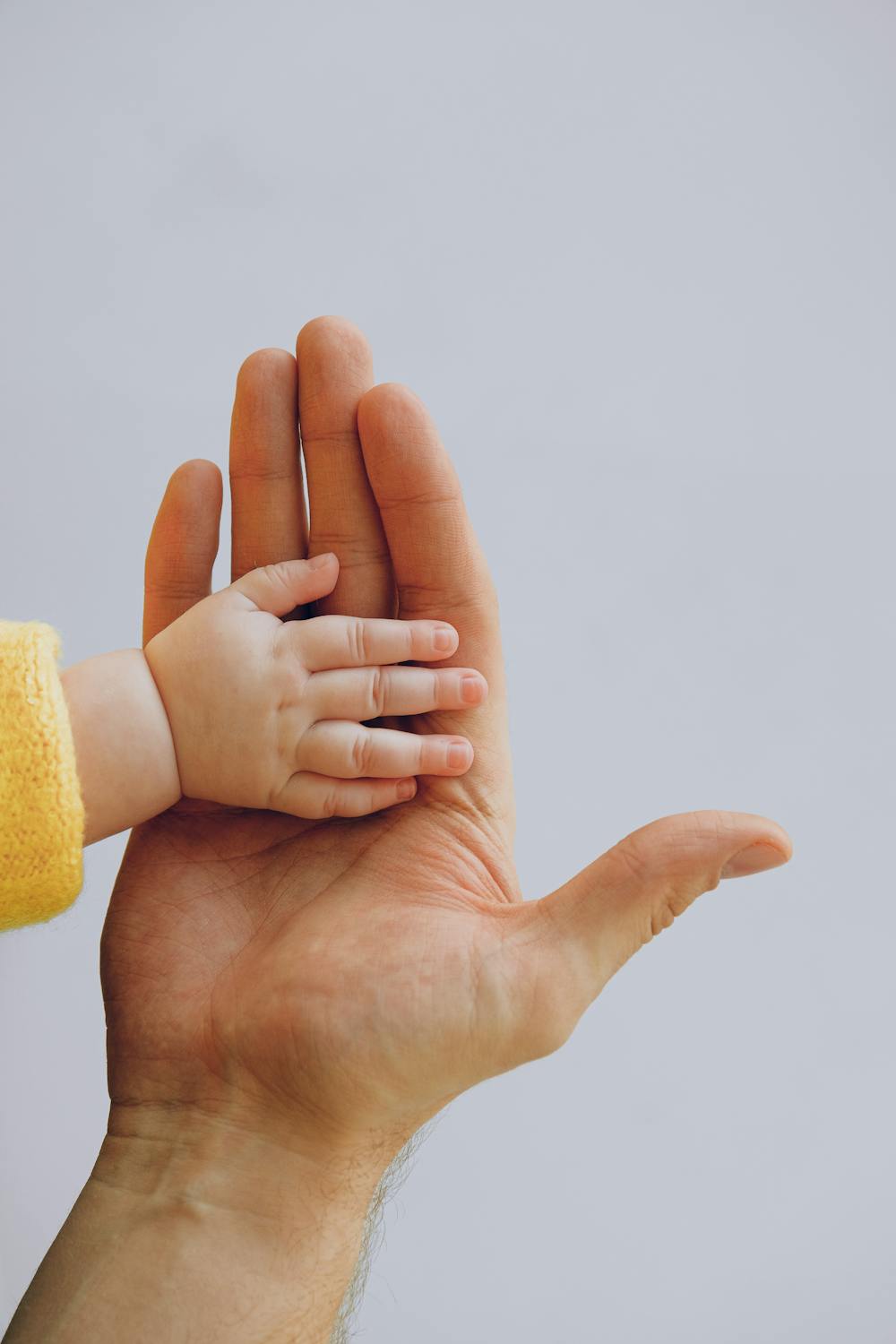
Developed by psychiatrist John Bowlby in the 1950s-70s, attachment theory explores how early relationships with caregivers shape our expectations and behaviours in adult relationships.
The core premise: Infants need to form a secure bond with at least one primary caregiver for healthy emotional and social development.
When caregivers are consistently responsive, warm, and attuned, children develop secure attachment—a blueprint for healthy relationships.
When caregiving is inconsistent, dismissive, or frightening, children develop insecure attachment patterns as survival strategies.
These patterns don't disappear when you turn 18. They become the unconscious lens through which you experience adult relationships.
The Four Attachment Styles
1. Secure Attachment (50% of adults)
Core belief: "I'm worthy of love, and others are generally trustworthy."
Childhood experience: Caregivers were consistently responsive, emotionally available, and provided a safe base for exploration.
In adult relationships:
- Comfortable with intimacy and independence
- Communicate needs directly
- Handle conflict constructively
- Trust comes relatively easily
- Can regulate emotions effectively
What it looks like: Emma texts her partner: "I'm feeling disconnected lately. Can we set aside time this weekend to talk?" She's not anxious about the conversation—she trusts it will be productive.
[EXPERT QUOTE]
"Secure attachment doesn't mean you never feel anxious or need space. It means you can navigate those feelings without your whole sense of self collapsing. You trust that you and your partner can work through difficulties together." — Dr. Amir Levine, author of "Attached"
2. Anxious Attachment (20% of adults)
Core belief: "I'm not worthy of love, but if I try hard enough, I can earn it. Others are unpredictable."
Childhood experience: Caregivers were inconsistent—sometimes responsive and loving, other times distant or preoccupied. The child learned they had to work hard for attention and affection.
In adult relationships:
- Intense fear of abandonment
- Need frequent reassurance
- Hypervigilant to relationship threats
- Can be perceived as "clingy" or "needy"
- Protest behaviours when feeling insecure (excessive texting, emotional displays)
- Difficulty being alone
What it looks like: Jake's partner doesn't reply to his text for two hours. His anxiety spirals: "She's pulling away. I've done something wrong. She's going to leave me." He sends three more texts asking if everything's okay.
Common patterns:
- Texting "Are we okay?" frequently
- Needing to know where partner is at all times
- Feeling threatened by partner's friends or hobbies
- Staying in unhealthy relationships because being alone feels worse
- Early intense romantic feelings (which can fade when relationship becomes stable)
3. Avoidant Attachment (25% of adults)
Core belief: "I'm fine on my own. Others are unreliable and will restrict my freedom."
Childhood experience: Caregivers were dismissive, uncomfortable with emotions, or punished displays of need. The child learned to suppress needs and rely only on themselves.
In adult relationships:
- Uncomfortable with intimacy and emotional closeness
- Value independence highly
- Suppress or deny emotional needs
- Difficulty expressing feelings
- May use work, hobbies, or substances to maintain distance
- Commitment feels threatening
What it looks like: When his girlfriend says "I love you" for the first time, Tom feels a wave of panic, not joy. He deflects with humour or changes the subject.
Common patterns:
- Finding fault with partners to justify distance
- Emphasizing self-reliance: "I don't need anyone"
- Pulling away when relationships get serious
- Compartmentalizing (keeping partner separate from other life areas)
- "Phantom ex" syndrome (idealizing past relationships to avoid current intimacy)
4. Disorganised Attachment (5% of adults)
Core belief: "I desperately need love, but people who get close will hurt me."
Childhood experience: Caregivers were frightening or chaotic—perhaps abusive, severely neglectful, or dealing with unresolved trauma themselves. The person who should provide safety is also the source of fear.
In adult relationships:
- Simultaneous fear of intimacy and fear of being alone
- Unpredictable relationship behaviours
- May self-sabotage when things are going well
- Difficulty regulating emotions
- May alternate between anxious and avoidant behaviours
What it looks like: Lisa desperately wants her relationship to work, but when her partner shows genuine care, she picks fights or withdraws. She wants closeness but finds it terrifying.
Common patterns:
- Push-pull dynamics
- Explosive reactions to perceived abandonment or engulfment
- Difficulty trusting despite wanting connection
- May have history of trauma or abuse
| Attachment Style | View of Self | View of Others | Relationship Pattern |
|---|---|---|---|
| Secure | Positive | Positive | Comfortable with intimacy and autonomy |
| Anxious | Negative | Positive | Preoccupied with relationship, fears abandonment |
| Avoidant | Positive | Negative | Dismissive of intimacy, values independence |
| Disorganised | Negative | Negative | Fearful of intimacy but desperate for connection |
The Anxious-Avoidant Trap
Here's where it gets fascinating (and frustrating): Anxious and Avoidant types are often attracted to each other.
Why?
For the anxious person: The avoidant partner's emotional distance confirms their core belief ("See? I'm not worthy of consistent love") while also triggering their pursuit system ("If I just try harder, they'll open up").
For the avoidant person: The anxious partner's pursuit initially feels validating but eventually confirms their core belief ("See? People are smothering and want to control me") and triggers their withdrawal.
The tragic dance:
- Anxious person seeks closeness
- Avoidant person feels smothered and withdraws
- Anxious person panics and pursues harder
- Avoidant person withdraws further
- Repeat until relationship ends
Claire's pattern (from our opening): She was anxiously attached, consistently drawn to avoidant partners. Their initial distance actually felt like a challenge to overcome, activating her attachment system. Securely attached men who were emotionally available didn't trigger that familiar "I need to work to earn love" feeling, so there was no "spark."
How Attachment Styles Affect Relationship Dynamics
Conflict Resolution
Secure: "I'm upset about what happened. Can we talk it through?"
Anxious: "This argument means the relationship is over. I need you to promise you're not leaving."
Avoidant: "This is overblown. I need space to think." [Withdraws for days]
Disorganised: "I hate you—no wait, please don't go!"
Communication About Needs
Secure: "I need more quality time together. Could we plan a weekly date night?"
Anxious: "You never want to spend time with me. Do you even care about this relationship?"
Avoidant: "I'm fine. I don't need anything." [Actually harboring resentment]
Disorganised: Difficulty articulating needs, may express them through crisis or passive-aggressive behaviour
Intimacy and Vulnerability
Secure: Comfortable with appropriate self-disclosure; can be vulnerable without fear
Anxious: Over-shares too quickly; uses vulnerability as connection-seeking
Avoidant: Struggles with vulnerability; may intellectualize feelings
Disorganised: Wants vulnerability but feels terrified when it happens
Can Attachment Styles Change?
Yes—this is crucial to understand.
Attachment styles are patterns, not permanent personality traits. Change is possible through:
1. Earned Secure Attachment
Even with insecure childhood attachment, you can develop security through:
- Therapeutic relationships: A consistently attuned therapist provides a "corrective emotional experience"
- Secure romantic relationships: Being with a securely attached partner can gradually shift your patterns
- Self-awareness and intentional work: Understanding your patterns and consciously choosing different responses
2. Therapy Approaches That Help
Emotionally Focused Therapy (EFT): Developed specifically for couples, helps partners understand attachment dynamics and create new interaction patterns
Schema Therapy: Addresses core beliefs formed in childhood
EMDR: Particularly helpful for disorganised attachment with trauma history
Integrative Humanistic Approaches: At Kicks Therapy, I use Person-Centred and Transactional Analysis methods to help you:
- Understand how your attachment patterns formed
- Identify how they're playing out currently
- Develop new, healthier relationship patterns
- Build self-compassion around your attachment needs
3. Practical Strategies by Attachment Type
If you're Anxiously Attached:
- Self-soothe before seeking reassurance: When anxiety spikes, pause. Breathe. Ask yourself: "Is this feeling based on what's actually happening, or my fear of what might happen?"
- Build independence: Maintain friendships, hobbies, and identity outside the relationship
- Practice distress tolerance: Not every uncomfortable feeling needs immediate addressing
- Choose secure or anxious partners: Avoid the avoidant trap
If you're Avoidantly Attached:
- Practice vulnerability in small doses: Share one feeling, one need at a time
- Notice your withdrawal patterns: When you feel the urge to create distance, pause and examine what's driving it
- Challenge your beliefs: "Do I really need all this independence, or am I protecting myself from potential hurt?"
- Stay present during conflict: Resist the urge to leave the conversation
If you're Disorganised:
- Trauma therapy is essential: EMDR, somatic therapy, or trauma-focused CBT
- Go slow: Relationships need to build slowly to avoid overwhelming your system
- Name the push-pull: "I'm feeling like I want to run away, but I also don't want to. This is my attachment stuff, not about you."
- Work with a trauma-informed therapist: Someone who understands that your behaviours are adaptations, not pathology
Attachment in Different Relationship Types
Romantic Relationships
Attachment shows up most obviously here, but remember:
- No pairing is doomed if both partners are willing to work on patterns
- Two insecure types can build security together (it just requires more awareness)
- Understanding each other's attachment needs is half the battle
Friendships
Attachment affects platonic relationships too:
- Anxious: May be overly dependent on friends; hurt easily by perceived slights
- Avoidant: Keeps friends at arm's length; may have many acquaintances but few close friends
- Secure: Maintains balanced friendships with healthy boundaries
Parenting
Your attachment style affects your parenting, which can create intergenerational patterns:
- Anxiously attached parents may struggle with healthy separation
- Avoidant parents may be uncomfortable with children's emotional needs
- Secure parents more easily provide consistent, responsive caregiving
The good news: Awareness breaks cycles. Understanding your attachment allows you to parent more intentionally.
Red Flags vs. Attachment Behaviours
Important distinction: Not all difficult relationship behaviours are just "attachment styles."
Attachment behaviours (can be worked on):
- Needing reassurance frequently
- Wanting space during conflict
- Difficulty expressing vulnerability
Red flags (signs of unhealthy relationship):
- Controlling behaviour or isolation from friends/family
- Verbal, emotional, or physical abuse
- Refusal to respect boundaries
- Gaslighting or manipulation
- Substance abuse affecting the relationship
Attachment theory explains patterns—it doesn't excuse mistreatment.
Frequently Asked Questions
Q: Can you be different attachment styles with different people? A: Yes. You have a "dominant" style, but it can shift depending on the relationship and context. You might be secure with friends but anxious in romance, for example.
Q: I had a great childhood but still seem anxiously attached. Why? A: Attachment forms from subtle patterns, not just major events. Even well-meaning parents can create insecurity through inconsistency or emotional unavailability. Also, significant relationships later in life (first loves, major breakups) can shift attachment patterns.
Q: My partner is avoidant. Can the relationship work? A: If they're willing to examine their patterns and work on them, absolutely. If they're unwilling to engage with the issue, it becomes much more challenging.
Q: How long does it take to change attachment patterns? A: It varies. Some people notice shifts in months; deeper changes often take years. The key is consistent, intentional work—therapy significantly speeds the process.
The Bottom Line
Understanding attachment isn't about labeling yourself or your partner. It's about:
- Developing compassion for patterns that made sense given your history
- Recognizing when those patterns no longer serve you
- Making conscious choices rather than running unconscious programs
- Building relationships based on awareness, not just familiarity
Your attachment style is a starting point, not a life sentence.
Claire (from our opening) did eventually develop earned secure attachment through therapy. She's now in a healthy relationship with a securely attached partner—and she says the thing that surprises her most is how "boring" (her word) it feels compared to the emotional rollercoaster of her anxious-avoidant relationships.
"I used to think that intensity was passion," she told me in our final session. "Now I realise stability isn't boring—it's actually just peaceful. And I finally understand what people mean when they say relationships shouldn't be that hard."
Work on Your Attachment Patterns in Therapy
If you recognise yourself in these patterns and want support in moving toward more secure attachment, therapy provides a space to:
- Understand your attachment history without blame
- Identify current relationship patterns
- Practice new ways of relating in the safety of the therapeutic relationship
- Process any trauma underlying disorganised attachment
- Build the internal security you didn't receive in childhood
At Kicks Therapy, I specialise in relational work using integrative humanistic approaches. We'll create a secure therapeutic relationship where you can safely explore and transform attachment patterns.
Book a free 15-minute consultation to discuss how therapy can help you build healthier relationships.
Available in-person in Fulham (SW6), online throughout the UK, and through walking therapy in South West London.
This article is for educational purposes. For relationship violence support, contact the National Domestic Abuse Helpline: 0808 2000 247.
Key references: Bowlby (1969), Ainsworth et al. (1978), Bartholomew & Horowitz (1991), Levine & Heller (2010)
Related Topics:
Ready to start your therapy journey?
Book a free 15-minute consultation to discuss how we can support you.
Book a consultation→