
BetterHelp vs Traditional Therapy: Honest Comparison for UK Clients (2026)
You're searching for therapy. You've seen the BetterHelp adverts everywhere—YouTube sponsors, podcast ads, Instagram influencers. "Affordable, convenient, online therapy. Start today!" It sounds appealing. But you've also heard about traditional therapy—meeting a therapist face-to-face in their practice, building a relationship over time, that "proper" therapeutic experience.
Which is better? Which should you choose? And what are you actually getting with each option?
Let me give you an honest, detailed comparison. I'm a traditional therapist (BACP-registered, with a physical practice in London), so I have skin in this game. But I'll be fair. BetterHelp and similar platforms serve a purpose. They're just not the right fit for everyone—and the marketing doesn't always make that clear.
TL;DR:
- BetterHelp: Convenient, affordable, flexible messaging/video, quick access, but variable therapist quality and limited continuity
- Traditional therapy: Deeper therapeutic relationship, consistent practitioner, modality-specific expertise, but higher cost and less flexible
- BetterHelp suits: mild-moderate anxiety/depression, budget constraints, need for flexibility, international clients
- Traditional therapy suits: complex issues, trauma, need for specialist (e.g., ADHD, neurodivergent-affirming), preference for in-person connection
- You're not locked in—you can try one and switch
What Is BetterHelp?
BetterHelp is an online therapy platform that connects clients with licensed therapists via app-based messaging, phone, video, or live chat.
How it works:
- You fill out a questionnaire about your mental health needs
- BetterHelp matches you with a therapist from their network
- You communicate via the app: unlimited messaging + weekly live sessions (30-45 minutes)
- You can switch therapists anytime if the match isn't working
Cost (UK, 2026):
- £200-280 per month (approximately £50-70 per week)
- Includes unlimited messaging + one weekly live session
- Financial aid available (application required)
Therapist qualifications: BetterHelp therapists must be licensed/registered (e.g., BACP, UKCP, HCPC in the UK). However, the platform hires widely, so experience levels vary significantly.
What Is Traditional Therapy?
Traditional therapy is face-to-face (or online) therapy with an individual therapist in private practice, an NHS service, or a counselling organisation.
How it works:
- You research and contact a therapist directly (via directories, referrals, or NHS)
- You attend sessions (typically 50 minutes weekly) in person or via video
- You build an ongoing relationship with the same therapist over weeks/months/years
Cost (UK, 2026):
- NHS IAPT: Free, but waiting lists (weeks to months) and time-limited (6-20 sessions)
- Private therapy: £50-150 per session (London higher; regional lower), typically weekly
- Low-cost counselling: £10-40 per session (charities, trainee therapists)
Therapist qualifications: Registered with professional bodies (BACP, UKCP, HCPC). Many have postgraduate qualifications, specialist training, and years of supervised experience.
BetterHelp vs Traditional Therapy: Head-to-Head Comparison
1. Cost
BetterHelp:
- £200-280/month = roughly £50-70/week
- Fixed subscription (you pay whether you use it or not)
- Financial aid available
Traditional Therapy:
- £50-150 per session (one-off payment per session)
- You only pay for sessions you attend
- Some therapists offer sliding scale fees
Winner: Depends. If you use BetterHelp's unlimited messaging heavily and have weekly sessions, it's good value. If you only need fortnightly sessions or occasional support, traditional pay-per-session may be cheaper.
Cost calculation example:
- BetterHelp: £260/month = £3,120/year
- Traditional therapy (£80/session, weekly): £320/month = £3,840/year
- Traditional therapy (£80/session, fortnightly): £160/month = £1,920/year
If you attend weekly, BetterHelp is slightly cheaper. If fortnightly, traditional therapy wins.
2. Access and Waiting Times
BetterHelp:
- Typically matched within 24-48 hours
- Start therapy almost immediately
- No waiting lists
Traditional Therapy:
- NHS IAPT: Weeks to months waiting
- Private: Can often start within a week (depending on therapist availability)
Winner: BetterHelp for speed of access. If you're in crisis or need support urgently, BetterHelp gets you started faster than most NHS routes. Private therapists can also be quick, but availability varies.
3. Flexibility and Convenience
BetterHelp:
- Messaging anytime (therapist responds within hours/days, not real-time)
- Schedule live sessions flexibly
- No travel required
- Therapy in pyjamas at midnight? Possible.
Traditional Therapy:
- Fixed appointment times (weekly, same time slot)
- Travel to practice (or video sessions)
- Less flexible (therapists have limited slots)
Winner: BetterHelp. If you have unpredictable work schedules, travel frequently, or prefer asynchronous communication, BetterHelp's flexibility is unbeatable.
4. Therapist Matching and Continuity
BetterHelp:
- Algorithm-based matching (questionnaire + availability)
- You can switch therapists freely, but...
- Therapist turnover is high (they work for multiple platforms, often leave)
- Therapeutic relationship is harder to build when switching frequently
Traditional Therapy:
- You research and choose your therapist (their profile, approach, specialisms)
- Continuity: you work with the same person throughout
- Deep therapeutic relationship develops over time
Winner: Traditional therapy. The therapeutic relationship—trust, safety, being deeply known—is often the most healing aspect of therapy. BetterHelp's model makes this harder. You might get a great, consistent therapist. You might not.
5. Therapist Quality and Expertise
BetterHelp:
- Therapists are licensed, but experience varies wildly
- You might get a newly qualified therapist with minimal post-training experience
- Or you might get a 20-year veteran
- Little transparency about therapist's training, specialisms, or approach
- Therapists work for multiple platforms (BetterHelp + others), often juggling many clients
Traditional Therapy:
- You see full therapist profile: qualifications, years practicing, specialisms, theoretical approach
- You can specifically choose a trauma specialist, ADHD-informed therapist, person-centred practitioner, etc.
- Private practitioners are often highly experienced (they're running their own practice, which requires competence and reputation)
Winner: Traditional therapy. BetterHelp doesn't give you enough information to assess therapist quality. With traditional therapy, you can research and select expertise that matches your needs.
6. Modality and Specialisation
BetterHelp:
- General therapy (often CBT-lite or supportive counselling)
- Limited modality-specific expertise
- Harder to find specialists (e.g., EMDR for trauma, DBT for emotional regulation, TA, somatic therapy)
Traditional Therapy:
- You choose therapists trained in specific modalities
- Access to specialists: trauma, ADHD, autism, eating disorders, complex PTSD, addiction, etc.
Winner: Traditional therapy. If you need specialist intervention, BetterHelp likely won't provide it.
7. Privacy and Data
BetterHelp:
- All communication goes through the app
- Data stored on BetterHelp's servers (US-based company, subject to US data laws)
- 2023 data breach concerns and FTC settlement raised questions about privacy practices
- Messages are "encrypted," but BetterHelp has access
Traditional Therapy:
- Confidentiality governed by professional ethics (BACP, UKCP)
- Notes stored securely (often handwritten or encrypted files)
- Data stays with your therapist (not a third-party platform)
- GDPR-compliant in UK/EU
Winner: Traditional therapy. If privacy is paramount, traditional therapy offers stronger protections.
8. Messaging Between Sessions
BetterHelp:
- Unlimited messaging to your therapist
- They respond within hours or days (not real-time)
- Useful for sharing thoughts, asking clarifications, staying connected
Traditional Therapy:
- Most therapists don't offer between-session messaging
- Some allow brief emails or texts for logistics (not therapy content)
- Therapeutic work confined to sessions
Winner: BetterHelp. The messaging feature is genuinely useful for people who process thoughts slowly and want to communicate at their own pace.
9. Therapeutic Depth
BetterHelp:
- Short sessions (30-45 minutes weekly)
- Messaging-based work is often surface-level (not deep relational therapy)
- Frequent therapist switches disrupt depth
Traditional Therapy:
- 50-minute sessions allow deeper exploration
- Consistent relationship builds trust and safety
- Long-term work possible (years if needed)
Winner: Traditional therapy. Deep, transformative therapy requires time, consistency, and relational safety—things BetterHelp's model struggles to provide.
10. Suitability for Different Issues
BetterHelp works well for:
- Mild to moderate anxiety or depression
- Stress management
- Life transitions (breakup, job change)
- General emotional support
- Maintenance therapy (you've done deeper work and need ongoing check-ins)
BetterHelp is NOT ideal for:
- Complex trauma or PTSD
- Severe mental health issues (psychosis, severe depression, active suicidal ideation)
- Personality disorders
- Issues requiring specialist modalities (EMDR, DBT, somatic therapy)
- People who need in-person connection to feel safe
Traditional therapy works for:
- All of the above (mild to complex)
- Issues requiring specialist expertise
- People who benefit from in-person embodied presence
- Long-term relational healing
Winner: Traditional therapy for versatility. BetterHelp fills a niche (mild-moderate issues, convenience-focused), but traditional therapy handles the full spectrum.
Real User Experiences (The Good, Bad, and Ugly)
Positive BetterHelp Experiences:
"As someone with social anxiety, messaging my therapist before our video calls helped me articulate what I wanted to discuss. I'd have frozen up in a face-to-face office."
"I travel constantly for work. BetterHelp meant I could keep therapy going from different countries."
"I couldn't afford £100/session private therapy. BetterHelp at £60/week gave me access I wouldn't have had."
Negative BetterHelp Experiences:
"I went through four therapists in two months. Each time I had to re-explain everything. It was exhausting."
"My therapist was nice but seemed really inexperienced. I asked about EMDR for trauma and she'd never heard of it."
"After three months, my therapist suddenly stopped responding. I was assigned a new one with no explanation. Felt abandoned."
"The session times are short. Just when I'd get into something difficult, the 30 minutes would end. So frustrating."
Traditional Therapy Experiences:
"My therapist has worked with me for two years. She knows me deeply. That continuity has been life-changing."
"I found a therapist specialising in autism and ADHD. She gets me in a way no generalist ever has."
"Yes, it's expensive. But the depth of the work I've done in 50-minute sessions with someone I trust completely—worth every penny."
Who Should Choose BetterHelp?
BetterHelp is a good fit if:
- You have mild-moderate anxiety, depression, or stress
- You need flexible scheduling due to work/travel
- You prefer text-based communication (messaging between sessions)
- You're on a tight budget and can't afford £80-150/session traditional therapy
- You want to try therapy without a long-term commitment
- You live internationally and want a UK-qualified therapist
Who Should Choose Traditional Therapy?
Traditional therapy is better if:
- You're dealing with trauma, complex mental health issues, or severe symptoms
- You need specialist expertise (ADHD, neurodivergent-affirming, specific modalities like EMDR, TA, Gestalt)
- You value deep therapeutic relationships and continuity
- You benefit from in-person, embodied presence (especially for trauma/somatic work)
- Privacy and data security are critical concerns
- You want longer sessions (50 minutes) to go deeper
Can You Combine Both?
Absolutely. Some people use BetterHelp for maintenance (checking in, managing daily stressors) and see a traditional therapist monthly for deeper work.
Or start with BetterHelp to "try" therapy, then transition to traditional therapy if you need more depth.
BetterHelp Alternatives (UK)
If BetterHelp's model appeals but you want UK-specific options:
1. Talkspace - Similar model, US-based, operates in UK 2. Online-Therapy.com - CBT-focused platform, structured programs 3. Therapy For You / SilverCloud - NHS-approved online platforms (free via GP referral) 4. BACP Therapist Directory - Find UK-registered therapists offering online sessions (traditional therapist, online format)
The Hard Truth About BetterHelp
BetterHelp is a business optimised for scale and profit, not therapeutic depth.
Therapists on the platform are paid per message and per session, often earning far less than private practice rates. This means:
- High therapist turnover (they leave for better pay)
- Therapists juggle many clients to make decent income (less time/energy per person)
- Incentive to keep clients subscribed long-term (even if they're not progressing)
I'm not saying BetterHelp therapists don't care—they do. But the platform's structure doesn't optimise for the kind of deep, consistent, relational therapy that produces lasting change.
Traditional therapy has its own issues (cost, access barriers), but the therapist's primary commitment is to you, not to a platform's business model.
Making Your Decision
Ask yourself:
- What's my primary issue? (Mild stress vs complex trauma?)
- What's my budget? (Can I afford £80+/session or is £50-70/week more realistic?)
- What matters most? (Convenience vs depth? Flexibility vs continuity?)
- Do I need a specialist? (If yes, traditional therapy)
- How do I process best? (In-person connection vs text/video?)
There's no "right" answer. Both options have value. The best therapy is the therapy you'll actually engage with.
Final Thoughts
BetterHelp isn't a scam. It's a legitimate service that helps some people. But it's not a magic bullet, and it's not equivalent to traditional therapy.
If you're struggling and BetterHelp is your only affordable option, use it. Some support is better than none. But go in with realistic expectations. You're getting a therapist, not necessarily the right therapist. You're getting convenience, not depth.
If you can access traditional therapy—through NHS, low-cost services, or private practice—that's where you're more likely to experience the kind of transformative, relational healing that therapy, at its best, offers.
Ultimately, the best therapy is the one that fits your needs, your budget, and your circumstances right now. And remember: you can always change your mind and switch.
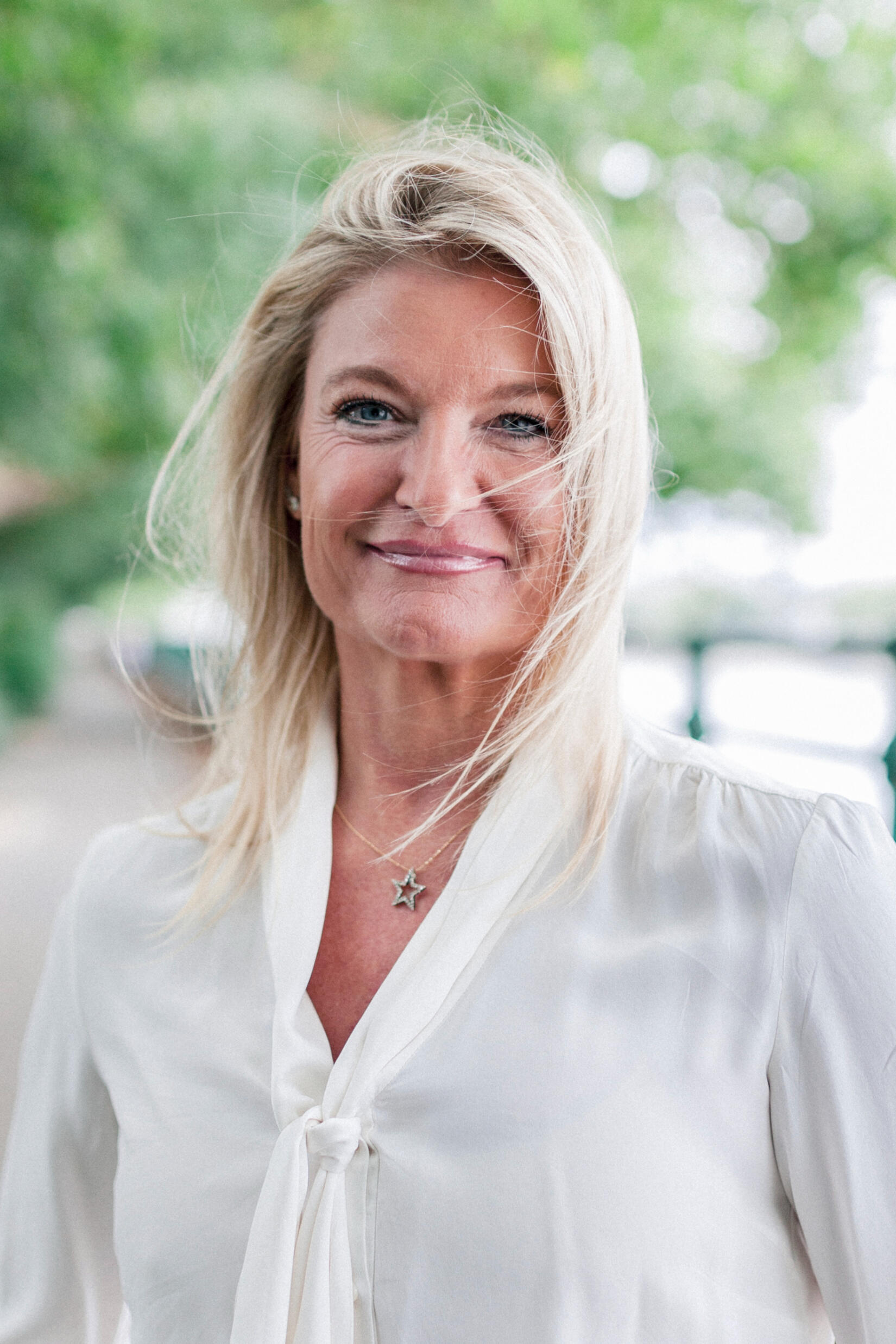
Looking for traditional therapy with a personal touch? I'm Annabel Kicks, a BACP-registered humanistic therapist offering both in-person sessions in Fulham, London, and online therapy across the UK. I specialise in integrative counselling (Person-Centred, Gestalt, Transactional Analysis), walking therapy, and neurodivergent-affirming approaches. Book a free 15-minute consultation to discuss whether we'd be a good fit.
Related Topics:
Ready to start your therapy journey?
Book a free 15-minute consultation to discuss how we can support you.
Book a consultation→