"I can't leave the house until I look right."
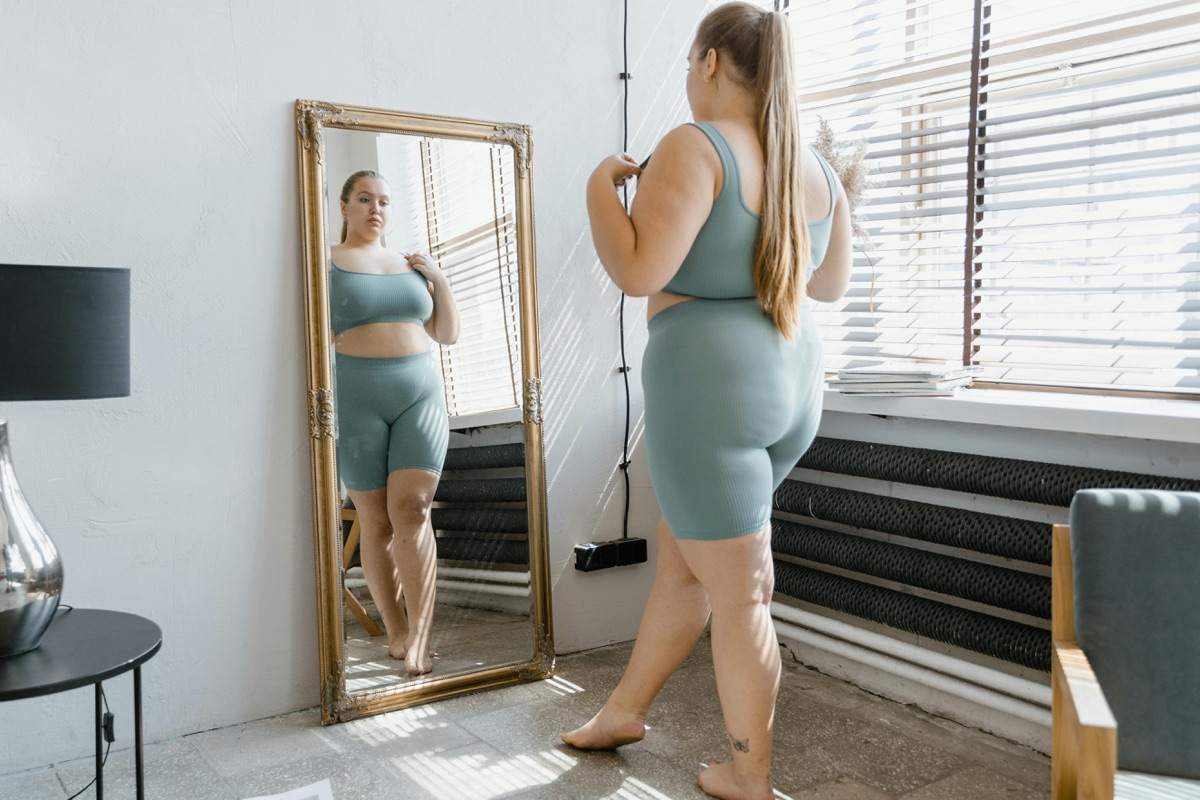
Claire stood in front of her wardrobe for the third time that morning, trying different outfits, checking her reflection from multiple angles, mentally cataloguing everything wrong with her body. She'd cancelled plans twice this month because she felt too fat, too ugly, too embarrassing to be seen.
The irony—which she recognised but couldn't escape—was that people who loved her never mentioned her appearance. They valued her humour, her kindness, her intelligence. But none of that mattered when she looked in the mirror. The reflection she saw confirmed what she already believed: she wasn't good enough.
This is body image distress at work. Not vanity. Not superficiality. Deep, painful conviction that your body determines your worth—and that your body fails to measure up.
For many people, the relationship with their body is the most complicated relationship they have. It affects mental health, self-esteem, quality of life, and willingness to fully participate in the world. And it's often rooted in cultural narratives that benefit industries but harm individuals.
TL;DR: Key Takeaways
- Body image is how you perceive, think about, and feel about your body—distinct from objective appearance
- Negative body image is extremely common, affecting up to 80% of women and increasing numbers of men
- Cultural factors (media, diet industry, beauty standards) significantly shape body dissatisfaction
- Body image connects to self-esteem but should not determine self-worth
- Body neutrality (focusing on function over appearance) may be more sustainable than forced positivity
- Building body acceptance involves challenging thoughts, reducing comparison, and diversifying self-worth sources
- Professional support is warranted when body image significantly impairs life or health
Understanding Body Image
Body image is not what you look like. It's your mental representation of your body—how you perceive it, how you think about it, and how you feel about it. These three dimensions don't always align with objective reality.
Perceptual Body Image
How you see your body. This can be surprisingly inaccurate—people with negative body image often perceive themselves as larger, less attractive, or more flawed than others perceive them.
Cognitive Body Image
Your thoughts and beliefs about your body. This includes:
- "My thighs are too large"
- "People judge me because of my weight"
- "I need to change my body to be worthy of love"
Affective Body Image
Your feelings about your body—shame, disgust, anxiety, or conversely pride and comfort. These feelings can be triggered by specific situations (seeing photos, trying on clothes, being in swimwear) or be pervasive.
Behavioural Body Image
How body image affects behaviour:
- Avoiding mirrors or obsessively checking them
- Avoiding social situations due to appearance concerns
- Wearing only certain clothes to hide your body
- Excessive exercise or restrictive eating
The Scale of the Problem
Body dissatisfaction is epidemic:
In women:
- Studies suggest up to 80% of women are dissatisfied with their appearance
- The average woman has 13 negative body thoughts daily
- Body dissatisfaction predicts low self-esteem, depression, and eating disorders
- The gap between ideal and perceived body size has widened over decades
In men:
- Historically less studied but rapidly increasing
- Pressure toward muscular, low-fat physique intensifying
- Body image concerns affect 30-40% of men
- Increasing rates of muscle dysmorphia and eating disorders
In young people:
- Body dissatisfaction beginning at younger ages
- Social media dramatically increasing comparison opportunities
- Children as young as 5-6 expressing desire to be thinner
- Body image concerns predict mental health problems in adolescence
The Roots of Body Dissatisfaction
Body image doesn't develop in a vacuum. Multiple factors contribute:
Cultural Beauty Standards
Standards of beauty are:
- Culturally specific: What's considered attractive varies dramatically across cultures and time periods
- Narrow: Contemporary Western ideals exclude most bodies
- Contradictory: Demands are often impossible (thin but curvy, muscular but lean, youthful forever)
- Profitable: Industries benefit from perpetual dissatisfaction
The "thin ideal" for women and "muscular ideal" for men are promoted everywhere—advertising, film, social media. When your body doesn't match these ideals (and most don't), dissatisfaction follows.
Media and Social Media
Media portrayal of bodies is systematically unrealistic:
- Professional styling, lighting, makeup
- Photoshop and filters standard practice
- Narrow range of body types represented
- Success, happiness, and love portrayed as requiring specific appearance
Social media amplifies these effects:
- Constant comparison to curated, edited images
- Validation linked to appearance (likes, comments)
- Echo chambers promoting specific aesthetic ideals
- Easy access to appearance-focused communities that worsen dissatisfaction
Research shows direct correlation between social media use and body dissatisfaction, particularly Instagram use among young people.
Diet Culture
The £2 billion UK diet industry profits from making people feel inadequate. Messages include:
- Your body is a problem requiring fixing
- Thinness equals health, morality, and worth
- You should always be trying to lose weight
- Food is good or bad; so are you for eating it
This creates cycles of dieting, failure, shame, and more dieting—while weight cycling likely harms health more than stable higher weight would.
Peer and Family Comments
Comments from important people—even "well-meaning" ones—shape body image:
- Teasing or criticism about appearance
- Praise focused primarily on looks
- Family conversations about weight/dieting
- Comparison to siblings or peers
Children internalise these messages, carrying them into adulthood.
Trauma and Adverse Experiences
For some people, negative body image connects to:
- Sexual abuse or assault (body felt unsafe or blamed)
- Bullying focused on appearance
- Medical conditions affecting appearance
- Significant life transitions (puberty, pregnancy, aging, illness)
Personality Factors
Some traits increase vulnerability:
- Perfectionism
- High self-monitoring (paying close attention to how others perceive you)
- Low self-esteem generally
- Anxiety, particularly social anxiety
Body Image and Self-Worth
The core problem isn't disliking specific body parts. It's tying your worth as a human to your appearance.
When self-esteem is appearance-contingent, you're building on sand. Appearance changes (aging is inevitable), and even when it meets standards, satisfaction remains elusive (there's always something else to fix).
Researcher Dr Phillippa Diedrichs describes this as "body image flexibility"—the ability to have thoughts and feelings about your body without those determining your worth or controlling behaviour.
Appearance-contingent self-worth looks like:
- "I can't go out because I look terrible"
- "I don't deserve love/success at this weight"
- "Other people are thinking about how ugly I am"
- "I'll be happy when I lose weight/build muscle/clear my skin"
Separate self-worth looks like:
- "I don't love how I look today, but I'm still going to the party"
- "My worth isn't determined by my appearance"
- "Most people aren't scrutinising my body"
- "My body's appearance is one small part of who I am"
Body Positivity vs Body Neutrality
Two movements offer alternatives to negative body image:
Body Positivity
Body positivity encourages loving your body, celebrating diversity, and rejecting narrow beauty standards. Its messages include:
- All bodies are beautiful
- You should love how you look
- Representation of diverse body types
- Challenging fatphobia and discrimination
Strengths: Challenges harmful narratives, promotes acceptance, increases representation
Limitations: "Love your body!" can feel like another impossible standard. Some people can't authentically feel positive about appearance—and that's okay. Forced positivity may invalidate genuine distress.
Body Neutrality
Body neutrality de-emphasises appearance entirely. Its messages include:
- Your body's function matters more than how it looks
- You don't have to love or hate your body
- Appearance is not your most important quality
- Your body is a neutral tool for living your life
Example: Instead of "I have beautiful legs," body neutrality offers "My legs allow me to walk, dance, and play with my children."
For many people, neutrality feels more achievable than positivity—a middle ground between self-hatred and impossible self-love.
Building a Healthier Body Image
Change is possible, though it requires consistent effort:
1. Challenge Appearance Thoughts
Notice negative body thoughts and examine them:
Thought: "Everyone is looking at my stomach"
Challenge:
- What's the evidence? (Usually very little)
- Are people more focused on themselves?
- Even if they notice, does it matter?
- What would I tell a friend thinking this?
Alternative: "Some people might notice, most won't. Even so, I'm more than my appearance."
2. Reduce Comparison
Comparison is the thief of joy. Try:
- Unfollow accounts that trigger comparison
- Limit time on appearance-focused platforms
- Notice when you're comparing and redirect attention
- Remember: you're comparing your insides to others' outsides
- Focus on your own path rather than others' highlight reels
3. Expand Self-Worth Sources
Make appearance a smaller slice of your identity pie. Invest in:
- Relationships and connection
- Skills and competencies
- Contribution and service
- Creativity and expression
- Learning and growth
- Values-based living
The more sources of worth you have, the less any single one determines how you feel about yourself.
4. Practice Body Functionality Focus
Shift attention from appearance to function:
- What can your body do?
- How does it serve you?
- What are you grateful your body allows?
Gratitude exercises focused on function can shift perspective: "I appreciate my legs for carrying me" rather than judging them aesthetically.
5. Challenge Media Messages
Develop critical consumption:
- Notice editing and manipulation
- Remember media represents narrow slice of humanity
- Recognise profit motive behind beauty standards
- Seek diverse representation
- Support body-inclusive content creators
6. Treat Your Body with Respect
Even if you don't love your body, you can treat it well:
- Nourish it with adequate food
- Move it in ways that feel good
- Rest when needed
- Dress it in clothes that are comfortable and make you feel okay
- Speak about it neutrally rather than with hatred
7. Distance from Diet Culture
Diet culture perpetuates body dissatisfaction. Try:
- Rejecting "good food/bad food" thinking
- Eating according to hunger and satisfaction rather than rules
- Questioning weight loss pursuits
- Following intuitive eating principles
- Focusing on health behaviours rather than body outcomes
8. Healing Touch
If you avoid your body (won't look, won't touch), gentle reconnection can help:
- Apply lotion mindfully, noting texture without judgment
- Gentle stretching, paying attention to sensation
- Body scan meditations
- Activities requiring body awareness (yoga, dance)
When to Seek Professional Help
Some signs that body image concerns warrant professional support:
- Spending hours daily thinking about or checking appearance
- Avoiding social situations or activities due to body shame
- Body image significantly affecting mood and quality of life
- Restriction of food or compulsive exercise
- Thoughts about harming yourself due to appearance distress
- Body Dysmorphic Disorder (BDD): obsessive preoccupation with perceived flaws invisible or minor to others
Treatment options:
Cognitive Behavioural Therapy (CBT): Helps challenge distorted body image thoughts and change behaviours
Acceptance and Commitment Therapy (ACT): Focuses on accepting appearance thoughts without letting them control behaviour
Compassion Focused Therapy: Addresses shame and self-criticism underlying body image distress
Body Image Therapy: Specialist approaches specifically targeting body dissatisfaction
Eating Disorder Treatment: If body image concerns co-occur with disordered eating
Body Image Across the Lifespan
Body image challenges shift across life:
Adolescence
Puberty brings dramatic body changes alongside intense social comparison. Support includes:
- Validating feelings without dismissing concerns
- Reducing appearance focus
- Media literacy education
- Emphasising non-appearance qualities
Young Adulthood
Peak vulnerability for eating disorders and body dissatisfaction. Social media exposure highest. Protective factors include diverse friendships and life purpose beyond appearance.
Pregnancy and Postpartum
Body changes rapidly during pregnancy and doesn't "bounce back" after. Pressure to quickly return to pre-pregnancy body is harmful. Functionality focus—appreciating what body can do—helps.
Middle Age
Aging bodies change: metabolism shifts, skin changes, hair greys. Cultural youth obsession makes this challenging. Wisdom includes recognizing that everyone ages, and appearance is decreasingly important to wellbeing.
Older Age
Societal invisibility of older bodies is harmful. Opportunity exists to prioritise function, health, and wisdom over appearance—though lifelong body image patterns don't automatically disappear.
Frequently Asked Questions
Is wanting to improve appearance always unhealthy?
No. Taking care of your appearance can be an act of self-respect. The question is motivation and proportion. Are you making changes from self-care or self-hatred? Does appearance dominate your worth? Can you value yourself regardless of whether changes happen?
Can you have good self-esteem with negative body image?
To a degree. Some people maintain overall self-worth despite body dissatisfaction by not tying worth to appearance. However, significant negative body image typically impacts self-esteem eventually.
What about health? Shouldn't I want to lose weight for health?
Health and weight are complex. Body size alone doesn't determine health. Health-focused behaviours (nourishing food, joyful movement, adequate sleep, stress management) improve health regardless of whether weight changes. Weight-focused approaches often worsen both physical and mental health.
How do I help my child develop positive body image?
- Model body acceptance yourself
- Avoid commenting on bodies (yours, theirs, others')
- Praise character, competence, and kindness over appearance
- Provide media literacy education
- Encourage diverse activities that build body appreciation
- Speak about bodies neutrally and functionally
Can body image therapy cause weight gain?
Therapy addresses mental health, not weight. When people stop restricting or over-exercising, their body finds its natural weight—which may be higher or lower than dieting weight. Crucially, mental health typically improves.
What if I've always hated my body?
Lifelong body dissatisfaction is common, especially for those who experienced appearance criticism young. Change is still possible—it just requires patience. Therapy can help process roots of body hatred and build alternative narratives.
Moving Forward
Claire, from the beginning, didn't wake up one day loving her body. That wasn't the goal, anyway. What changed was the hold her body image had on her life.
She started going out even on "bad body image" days. She unfollowed accounts that triggered comparison spirals. She practiced noticing her body's function—gratitude for legs that walked, arms that hugged, a body that generally worked.
Most importantly, she invested energy in things that mattered more than appearance: her relationships, her work, her creativity. As her life became richer and more diverse, appearance became a smaller piece of the puzzle.
"I still have critical thoughts about my body," she told me months later. "But they're just thoughts. They don't run my life anymore."
Your body image may never be perfect. The goal isn't perfect body positivity. It's freedom—freedom from appearance determining your worth, freedom to live fully regardless of how you look, freedom from a culture that profits from your self-hatred.
If your body image is limiting your life, please know: you deserve better. Not a different body—a different relationship with the body you have.
Ready to Improve Your Body Image?
Our integrative counselling approach helps you understand the roots of negative body image, challenge harmful thoughts and cultural narratives, and build a more compassionate relationship with your body. We provide a space to explore appearance-based shame and self-worth while developing practical strategies for body acceptance.
Sessions are available in person in Fulham (SW6) or online across the UK. Book a free 15-minute consultation to discuss how therapy might support your journey toward body acceptance.
If you're experiencing an eating disorder or thoughts of self-harm, please seek immediate support. Contact Beat Eating Disorders helpline on 0808 801 0677 or Samaritans on 116 123.
Related Topics:
Ready to start your therapy journey?
Book a free 15-minute consultation to discuss how we can support you.
Book a consultation→