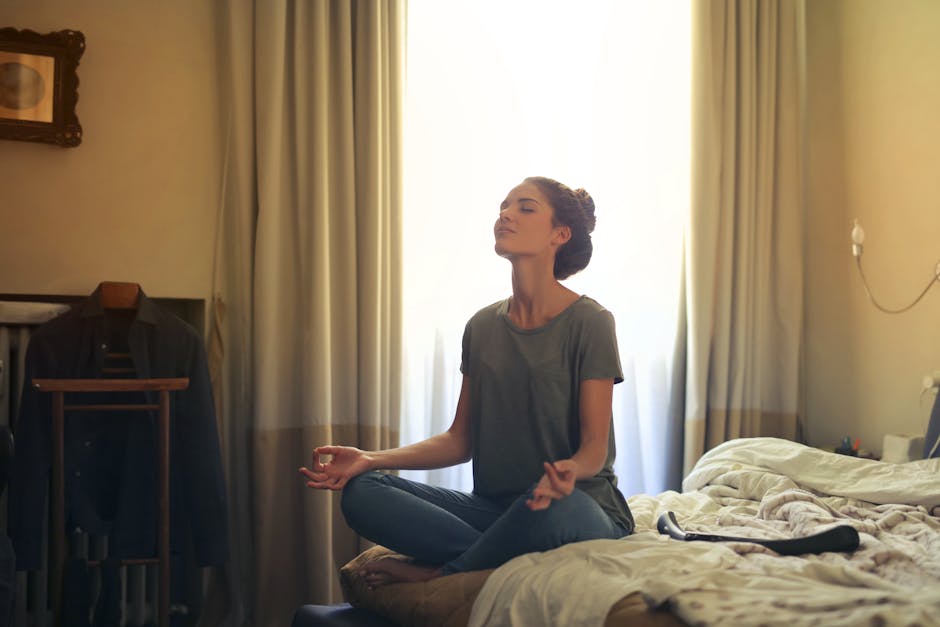

Breathwork for Anxiety: 6 Techniques That Actually Calm Your Nervous System
It's 3am. You're wide awake, heart racing, thoughts spinning. Or you're mid-presentation at work and suddenly your chest tightens, breathing shallows, and you're convinced you're about to collapse in front of everyone. Or it's just a regular Tuesday afternoon and for no discernible reason, anxiety grips you—tight and unrelenting.
Someone says, "Just breathe." You want to throw something at them. Of course you're breathing. You just can't breathe properly. Your breath is shallow, rapid, stuck high in your chest. The more you try to control it, the worse it gets.
Here's what that well-meaning person doesn't explain: it's not just about breathing. It's about breathing in a specific way that signals your nervous system to shift from fight-or-flight into rest-and-digest mode.
Done correctly, breathwork is one of the fastest, most accessible tools to reduce anxiety. Not because it's magic, but because it's physiology. Let me show you how it works and give you six practical techniques you can use immediately.
TL;DR:
- Breathwork activates the parasympathetic nervous system (your calming system)
- Slow, deep breathing stimulates the vagus nerve, reducing anxiety physiologically
- Different techniques work for different situations (panic attacks vs chronic worry vs sleep)
- Box breathing, 4-7-8 breathing, and physiological sighs are backed by research
- You can't breathe "wrong"—every practice builds nervous system flexibility
- Breathwork works best as a regular practice, not just crisis intervention
Why Breathwork Works: The Science
When you're anxious, your body activates the sympathetic nervous system—the fight-or-flight response. Your breath becomes shallow and rapid. Your heart rate increases. Stress hormones flood your system.
This response is brilliant if you're facing actual danger. Less brilliant when you're catastrophizing about an email you haven't sent or lying awake worrying about something that might never happen.
Breathwork targets the parasympathetic nervous system—your body's calming, rest-and-digest mode. Specifically, it stimulates the vagus nerve, which runs from your brainstem down through your chest and abdomen, connecting to all your major organs.
Here's the key: when you slow your breathing—particularly when you extend your exhale—you activate the vagus nerve. This sends a signal to your brain: "We're safe. Stand down." Your heart rate slows. Blood pressure decreases. Stress hormones recede.
A 2023 study in Cell Reports Medicine found that just five minutes of slow breathing exercises reduced anxiety and improved mood more effectively than five minutes of meditation. Participants who practiced breathwork daily for a month showed significant reductions in anxiety and improved heart rate variability (a marker of nervous system health).
This isn't placebo. It's biology.
How Anxiety Affects Your Breath
Before we dive into techniques, let's understand what anxiety does to breathing:
1. Chest Breathing (Shallow) Anxiety shifts breathing from your diaphragm (deep belly breathing) to your chest. This shallow pattern perpetuates anxiety because it mimics the breathing pattern of genuine danger.
2. Hyperventilation Rapid breathing expels too much carbon dioxide, creating an imbalance that can trigger dizziness, tingling, chest pain—symptoms that fuel more anxiety ("Am I having a heart attack?").
3. Breath Holding Some people unconsciously hold their breath when anxious, creating a sensation of suffocation that amplifies panic.
4. Irregular Rhythm Anxious breathing loses its natural rhythm—gasping, sighing, erratic patterns that keep your nervous system on high alert.
Breathwork consciously reverses these patterns, teaching your body what "safe" breathing feels like.
The 6 Breathwork Techniques
1. Box Breathing (Square Breathing)
Best for: Panic attacks, pre-presentation nerves, any high-stress moment
Box breathing creates equal phases of inhale, hold, exhale, hold—forming a "box" pattern. It's used by Navy SEALs, emergency responders, and therapists worldwide because it's simple and incredibly effective.
How to do it:
- Inhale through your nose for 4 counts
- Hold your breath for 4 counts
- Exhale through your nose or mouth for 4 counts
- Hold empty for 4 counts
- Repeat for 2-5 minutes
Why it works: The equal rhythm regulates your autonomic nervous system. The holds create a slight build-up of carbon dioxide, which counteracts hyperventilation and signals safety.
Tip: Count slowly. If 4 counts feels too long, try 3. If it feels too easy, extend to 5 or 6. The rhythm matters more than the duration.
2. 4-7-8 Breathing
Best for: Falling asleep, calming racing thoughts, reducing chronic anxiety
Developed by Dr. Andrew Weil, this technique emphasises a long exhale, which maximally activates the parasympathetic nervous system.
How to do it:
- Inhale quietly through your nose for 4 counts
- Hold your breath for 7 counts
- Exhale completely through your mouth (making a whoosh sound) for 8 counts
- Repeat for 4 breath cycles
Why it works: The extended exhale (8 counts) stimulates the vagus nerve powerfully. The hold allows oxygen to fully absorb. The audible exhale provides a focal point, reducing mental chatter.
Tip: The first few rounds might feel forced. By the third or fourth cycle, your body starts to melt into it. If 7-count holds feel uncomfortable, reduce to 4-5-6 or 3-5-6 until you build capacity.
3. Physiological Sigh
Best for: Immediate anxiety relief, resetting during the day
This is the quickest way to calm your nervous system—literally two breaths.
How to do it:
- Double inhale through your nose: breathe in, then sneak in a little more air (like a quick top-up breath)
- Long, slow exhale through your mouth
That's it. One cycle. Repeat 2-3 times if needed.
Why it works: Research by Stanford neuroscientist Dr. Andrew Huberman found that the physiological sigh—a natural breathing pattern that occurs spontaneously when we're stressed—is the fastest way to reduce real-time anxiety. The double inhale re-inflates collapsed alveoli (tiny air sacs in your lungs), and the slow exhale activates calm.
Tip: This is perfect for micro-moments: stuck in traffic, before answering a stressful phone call, mid-argument when you need to pause.
4. Diaphragmatic Breathing (Belly Breathing)
Best for: Building a long-term anxiety-resilient nervous system, grounding
This is foundational breathwork. You're teaching your body to breathe from your diaphragm (the muscle below your lungs) rather than your chest.
How to do it:
- Sit or lie down comfortably
- Place one hand on your chest, one on your belly
- Inhale slowly through your nose, feeling your belly rise (chest should stay relatively still)
- Exhale slowly through your nose or mouth, feeling your belly fall
- Aim for 6-10 breaths per minute (slower than your usual pace)
Why it works: Diaphragmatic breathing maximises oxygen exchange, reduces the work of breathing, and signals safety to your nervous system. Over time, it becomes your default breathing pattern, making you less reactive to stressors.
Tip: Practice lying down initially—gravity helps engage your diaphragm. Once comfortable, practice seated, then standing, then during daily activities (walking, washing up). The goal is for belly breathing to become automatic.
5. Extended Exhale Breathing
Best for: Chronic anxiety, rumination, winding down after a stressful day
This technique uses any inhale-to-exhale ratio where the exhale is longer (common ratios: 1:2, such as 4-count inhale, 8-count exhale).
How to do it:
- Inhale through your nose for 4 counts
- Exhale through your nose or mouth for 6-8 counts
- Repeat for 5-10 minutes
Why it works: The exhale activates the vagus nerve and parasympathetic response. A longer exhale than inhale shifts your nervous system decidedly toward calm.
Tip: You can layer this onto any activity: walking (inhale for 3 steps, exhale for 6), before bed, whilst doing mundane tasks. It's beautifully portable.
6. Alternate Nostril Breathing (Nadi Shodhana)
Best for: Balancing energy, calming anxiety without sedation, improving focus
This yogic breathing technique balances the left and right hemispheres of your brain, creating a sense of equilibrium.
How to do it:
- Sit comfortably with your spine upright
- Use your right thumb to close your right nostril
- Inhale slowly through your left nostril
- Close your left nostril with your ring finger (both nostrils now closed)
- Release your right nostril and exhale slowly through the right side
- Inhale through the right nostril
- Close the right, exhale through the left
- That's one complete cycle. Repeat 5-10 times
Why it works: Alternate nostril breathing synchronises the two hemispheres of your brain, balances your autonomic nervous system, and creates a meditative focus that interrupts anxious thought loops.
Tip: This one takes a bit more concentration, so it's less suitable mid-panic attack. But it's wonderful for daily practice or when you need calm focus (before studying, writing, creative work).
When to Use Which Technique
Mid-panic attack:
- Physiological sigh (immediate reset)
- Box breathing (rhythm restores control)
Can't fall asleep:
- 4-7-8 breathing
- Extended exhale breathing
Chronic worry / racing thoughts:
- Diaphragmatic breathing (20 minutes daily)
- Alternate nostril breathing
Pre-stressful event (presentation, difficult conversation):
- Box breathing
- 4-7-8 breathing
General daily practice to build resilience:
- Diaphragmatic breathing
- Extended exhale breathing
Building a Breathwork Practice
Breathwork is most powerful when practiced regularly, not just during crises.
Start small:
- 2 minutes, twice daily (morning and evening)
- Set a phone reminder
- Pair it with an existing habit (after brushing teeth, before bed, during your commute)
Track progress: Notice over time:
- Does anxiety hit as hard?
- Do you recover from stress more quickly?
- Do you catch yourself breathing diaphragmatically spontaneously?
Be patient: Like any skill, breathwork improves with practice. Your first attempts might feel mechanical or even increase anxiety (because you're focused on something unfamiliar). That's normal. Within a week or two, it starts to feel natural.
Common Mistakes to Avoid
1. Forcing the breath Breathwork should feel easeful, not strained. If you're gasping or straining, slow down or shorten the counts.
2. Only using breathwork during crises Breathwork is most effective as prevention. Daily practice builds nervous system resilience, so when stress hits, your body has a well-worn calming pathway to access.
3. Expecting instant perfection Some days breathwork feels amazing. Other days your mind wanders constantly or anxiety doesn't shift much. That's okay. You're still training your nervous system.
4. Chest breathing when trying belly breathing This takes practice. If your shoulders and chest are rising but your belly isn't, you're still chest breathing. Try lying down with a book on your belly and practice making the book rise and fall.
5. Holding tension elsewhere Notice if you're clenching your jaw, furrowing your brow, or tensing your shoulders whilst breathing. Let everything soften.
Breathwork in Therapy
I often integrate breathwork into therapy sessions—particularly with clients experiencing anxiety, trauma, or panic attacks.
Here's why:
- It gives you immediate relief during distressing moments in session
- It provides a tangible tool you can use between sessions
- It helps regulate your nervous system so you can engage more deeply with therapeutic work
- It's empowering—you're not dependent on anyone else; you've got a tool you carry with you always
Walking therapy, which I offer, naturally incorporates rhythmic breathing with movement—a powerful combination for anxious nervous systems.
When Breathwork Isn't Enough
Breathwork is a powerful tool, but it's not a cure-all. If anxiety is:
- Severely impacting your daily functioning
- Accompanied by depression, trauma, or other mental health concerns
- Persistent despite self-help strategies
- Leading to avoidance or safety behaviours
...then therapy, and possibly medication, is likely needed alongside breathwork.
Think of breathwork as one tool in your toolkit—valuable, effective, but not the only tool.
Breathwork and the Vagus Nerve: Going Deeper
The vagus nerve is your body's primary calming superhighway. When it's functioning well (high vagal tone), you:
- Recover from stress quickly
- Regulate emotions effectively
- Have good digestion, immune function, and inflammation control
- Feel more connected to others
Low vagal tone correlates with anxiety, depression, inflammation, and chronic stress.
Breathwork is one of the most effective ways to strengthen vagal tone. Other practices that complement breathwork:
- Cold exposure (cold showers, ice on face)
- Humming, singing, chanting (vibrations stimulate vagus nerve)
- Laughter and social connection
- Gentle yoga
- Massage
Building high vagal tone is like building physical fitness—it takes consistent practice, but the payoff is profound.
Final Thoughts
Anxiety can make you feel utterly out of control. Your thoughts spiral. Your body tenses. The world narrows.
Breathwork offers a way back in. Not because it's spiritual or magical, but because it's practical. You're hacking your nervous system—consciously engaging the mechanisms that calm you down.
You don't need special equipment. You don't need hours. You don't need perfect conditions. You just need your breath and two minutes.
That accessibility is breathwork's greatest strength. In a world where so much feels uncontrollable, your breath is always with you. And it's always ready to help.
Want support integrating breathwork and other anxiety management techniques into your life? I'm Annabel Kicks, a BACP-registered therapist in Fulham, London, offering both in-person and online sessions. I incorporate body-based approaches, including breathwork and walking therapy, to help you regulate your nervous system and reduce anxiety. Book a free 15-minute consultation to discuss how we might work together.
Related Topics:
Ready to start your therapy journey?
Book a free 15-minute consultation to discuss how we can support you.
Book a consultation→