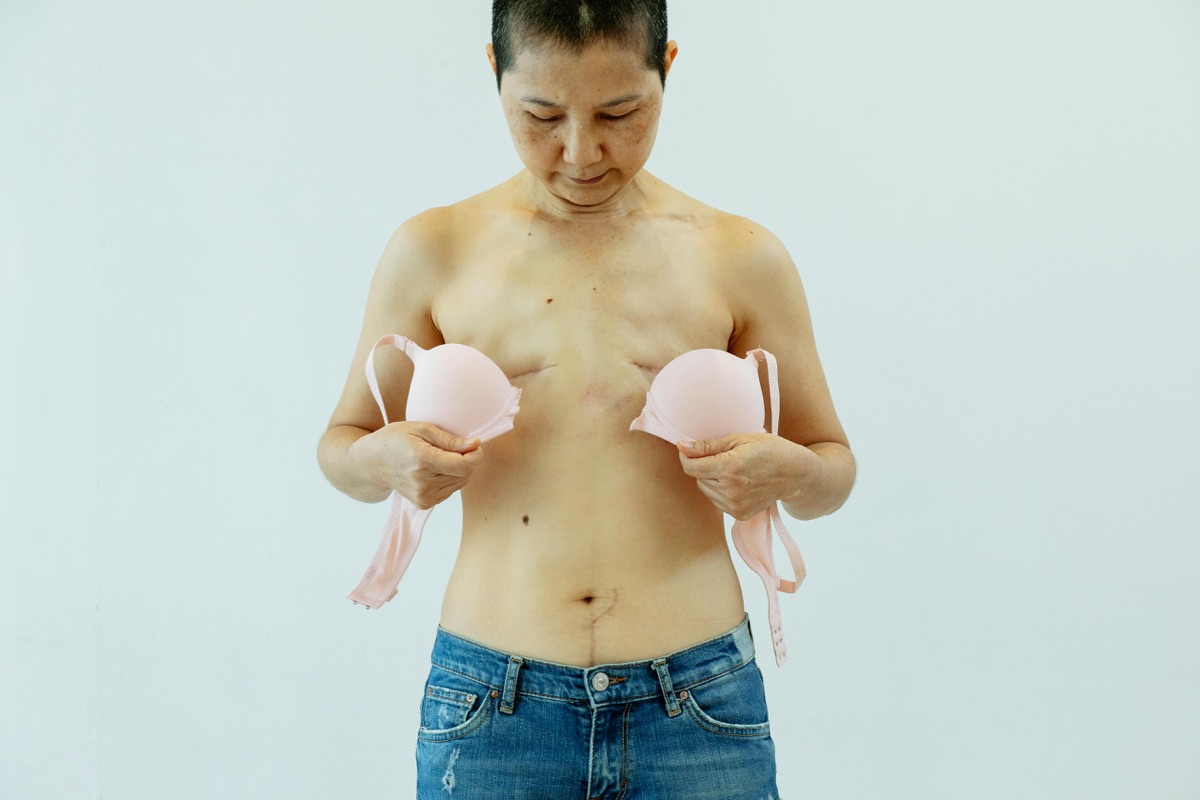

When the pandemic forced her café to close permanently, Maya spent three weeks in what she called "emotional paralysis." Everything she'd built over seven years—gone.
"I kept thinking, 'I'll never recover from this,'" she told me in our first session. "Change has always terrified me. I like stability, routine, knowing what's coming."
Six months later, Maya had launched a successful online baking business and was exploring opportunities she'd never previously considered. What changed wasn't her circumstances—it was her resilience.
Resilience isn't something you either have or don't have. It's a set of learnable skills that help you navigate change, uncertainty, and adversity without falling apart.
What Is Resilience?
Resilience is your psychological ability to adapt to stress, adversity, trauma, or significant life changes. It's not about avoiding difficult emotions or "staying strong"—it's about:
- Experiencing the full range of emotions while still functioning
- Adapting to new circumstances rather than rigidly resisting them
- Recovering from setbacks without losing your core sense of self
- Growing through difficulty rather than just surviving it
What resilience is NOT:
- Constant positivity or "good vibes only"
- Never feeling overwhelmed or struggling
- Immediately bouncing back without processing emotions
- Being unaffected by difficult experiences
The Five Pillars of Resilience
1. Cognitive Flexibility
What it is: The ability to shift perspective and adapt thinking when circumstances change.
Why it matters: Rigid thinking creates unnecessary suffering. "This should not be happening" is factually untrue when something IS happening. Cognitive flexibility lets you work with reality rather than fighting it.
How to build it:
- Practice "Yes, and...": When facing unwanted change, acknowledge reality ("Yes, this is happening") and add possibility ("And I can figure out next steps")
- Challenge absolute thinking: Notice "always/never/should" thoughts and soften them
- Consider multiple perspectives: Ask yourself, "How else could I view this situation?"
Example: Maya initially thought, "My café closing means I've failed." Through therapy, she reframed: "The pandemic forced an ending, and that creates space for something new."
2. Emotional Regulation
What it is: Managing intense emotions without being overwhelmed or completely suppressing them.
Why it matters: You can't think clearly or make good decisions when flooded with emotion. Regulation doesn't mean eliminating feelings—it means experiencing them without drowning.
Practical strategies:
The STOP technique (for acute overwhelm):
- Stop what you're doing
- Take a breath (three deep, slow breaths)
- Observe what you're feeling without judgment
- Proceed with awareness
Emotion labeling: Research shows that simply naming emotions ("I'm feeling anxious and overwhelmed") reduces their intensity by 30-40%.
Grounding techniques: When emotions feel unmanageable, use 5-4-3-2-1 (name 5 things you see, 4 you can touch, 3 you hear, 2 you smell, 1 you taste).
3. Social Connection
What it is: Maintaining relationships and seeking support during difficult times.
Why it matters: Isolation amplifies suffering. Social connection is one of the strongest predictors of resilience in research.
How to maintain it:
- Be specific when asking for help: "Can you come over Friday evening and just sit with me?" is more effective than "I need support"
- Reciprocity isn't immediate: Allow yourself to receive support even when you can't reciprocate right now
- Quality over quantity: One genuine conversation with a trusted friend provides more resilience than 100 superficial interactions
[EXPERT QUOTE]
"The paradox is that we're most likely to isolate precisely when we most need connection. Resilient people don't have fewer struggles—they have people they reach out to when struggling." — Dr. Brené Brown, researcher on vulnerability and resilience
4. Sense of Purpose
What it is: Connection to something meaningful beyond immediate circumstances.
Why it matters: Purpose provides direction when everything else feels chaotic. It's the "why" that keeps you moving forward.
Finding purpose during change:
- Values clarification: What matters most to you? (Not what should matter—what actually does)
- Small meaningful actions: Purpose doesn't require grand gestures. Reading to your child, calling an isolated friend, or creating something beautiful all count
- Service to others: Helping others, even in small ways, activates resilience by shifting focus outward
Maya's example: When her café closed, she initially lost her sense of purpose. Through exploring her values, she realised it wasn't the café itself she valued—it was bringing people joy through food. That value could express itself differently.
5. Self-Compassion
What it is: Treating yourself with the same kindness you'd offer a good friend during difficulty.
Why it matters: Self-criticism during challenging times adds a second layer of suffering on top of the actual difficulty.
The three components (Dr. Kristin Neff):
-
Self-kindness vs. self-judgment: "This is really hard. Of course I'm struggling" vs. "I should be handling this better"
-
Common humanity vs. isolation: "Everyone struggles with change" vs. "I'm the only one falling apart"
-
Mindfulness vs. over-identification: "I'm having anxious thoughts" vs. "I AM anxious"
Practice: When you notice self-criticism, pause and ask: "What would I say to a friend in this situation?" Then say that to yourself.
Resilience in Different Types of Change
Career Changes
Common challenges: Identity loss, financial stress, uncertainty about the future
Resilience strategies:
- Separate your identity from your job title
- Focus on transferable skills rather than specific roles
- Maintain structure even without a workplace (consistent wake times, daily routines)
- Explore interests you've neglected
Relationship Changes (Breakups, Divorce)
Common challenges: Grief, loneliness, questioning your judgment, practical disruptions
Resilience strategies:
- Allow the grieving process (even if the relationship was unhealthy)
- Resist immediately filling the void with a new relationship
- Reconnect with individual identity separate from "couple" identity
- Build new routines that work for your single life
Health Diagnoses
Common challenges: Fear, loss of control, lifestyle adjustments, identity shift
Resilience strategies:
- Gather information but avoid catastrophic googling
- Focus on what you CAN control (appointments, lifestyle, support systems)
- Connect with others who've faced similar diagnoses
- Maintain activities unrelated to health when possible
Relocations
Common challenges: Loss of community, unfamiliarity, loneliness, practical overwhelm
Resilience strategies:
- Give yourself permission for an adjustment period (3-6 months minimum)
- Maintain connections to previous location while building new ones
- Establish routines quickly (regular coffee shop, walking route, etc.)
- Join groups aligned with your interests
Building Resilience: A 30-Day Practice
| Week | Focus | Daily Practice |
|---|---|---|
| Week 1 | Self-awareness | Journal: "What emotion am I feeling? Where do I feel it in my body?" (5 min) |
| Week 2 | Cognitive flexibility | Identify one rigid thought daily and reframe it |
| Week 3 | Social connection | Reach out to one person daily (text, call, or in-person) |
| Week 4 | Self-compassion | When you notice self-criticism, write what you'd tell a friend |
When Resilience Feels Impossible
Sometimes, despite your best efforts, you feel stuck. This might indicate:
Clinical depression or anxiety: Resilience strategies work best for normal-range stress. Clinical conditions require professional treatment.
Unprocessed trauma: If past trauma is activated by current change, resilience work alone isn't sufficient. Trauma-focused therapy helps.
Chronic stress overload: Resilience has limits. If you're facing multiple simultaneous major stressors, it's not a personal failing if you're struggling—it's a normal human response.
Signs you need professional support:
- Persistent hopelessness lasting weeks
- Inability to function in daily life
- Thoughts of self-harm
- Substance use to cope
- Complete social withdrawal
- Physical symptoms (insomnia, appetite changes, chronic fatigue)
Frequently Asked Questions
Q: How long does it take to build resilience? A: It's not a destination but an ongoing practice. You'll notice small improvements within weeks, but deeper resilience develops over months and years of consistent practice.
Q: Can resilience be too high? A: Yes—overemphasizing resilience can lead to ignoring legitimate needs for rest, support, or systemic change. Balance resilience with self-compassion and realistic expectations.
Q: I've always been anxious about change. Can I really become more resilient? A: Yes. Resilience is largely learned, not innate. Your anxiety about change makes sense given your history, and therapy can help you develop new patterns.
Q: What if the change is genuinely terrible (job loss, serious illness, bereavement)? A: Resilience doesn't mean pretending terrible things aren't terrible. It means navigating them without losing yourself entirely. You can acknowledge "this is awful" while also building capacity to cope.
The Bottom Line
Maya didn't become a different person through building resilience. She's still someone who values stability and finds change uncomfortable. But she developed tools to navigate discomfort without being paralyzed by it.
Resilience isn't about never struggling—it's about struggling skilfully.
Life will bring changes you didn't choose and don't want. Resilience gives you the psychological flexibility to adapt, the emotional capacity to feel without drowning, the social support to not face it alone, the purpose to keep moving forward, and the self-compassion to be gentle with yourself through it all.
Build Resilience Through Therapy
If you're navigating difficult changes and finding it overwhelming, therapy provides structured support for building resilience.
At Kicks Therapy, I use integrative humanistic approaches to help you:
- Develop cognitive flexibility and emotional regulation skills
- Process difficult emotions in a safe space
- Identify values and reconnect with purpose
- Build self-compassion practices
- Create personalised resilience strategies
Book a free 15-minute consultation to discuss how therapy can support you through life's transitions.
Available in-person (Fulham, SW6), online (UK-wide), and through walking therapy (South West London).
This article is for educational purposes. For mental health crises, contact Samaritans (116 123) or emergency services.
Related Topics:
Ready to start your therapy journey?
Book a free 15-minute consultation to discuss how we can support you.
Book a consultation→