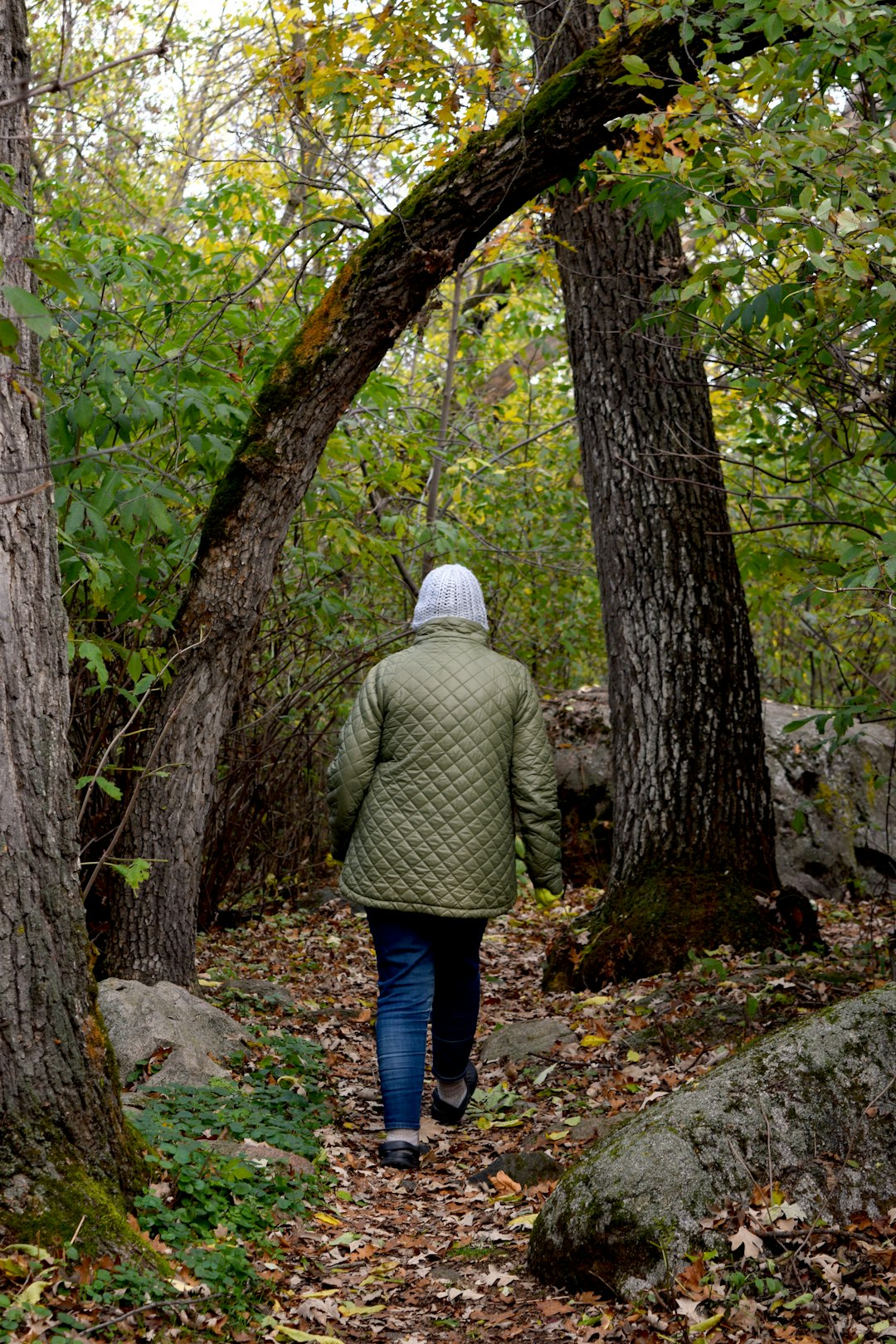
There is something that happens when you take a difficult conversation outside. The sky provides perspective. Movement through space shifts the body out of the frozen posture of distress. Eye contact becomes optional, which for many people is a relief. And something about being surrounded by living, growing things — trees, grass, birdsong, the unpredictability of weather — loosens what a therapy room can sometimes hold too tightly.
This is not mysticism. It is increasingly robust science. And it is the foundation of ecotherapy — one of the fastest-growing areas of therapeutic practice in the UK.
Key Takeaways
- Ecotherapy intentionally uses nature as part of the therapeutic process, not simply as a backdrop
- There is a growing evidence base linking nature exposure to reduced cortisol, improved mood, lower rumination, and better overall mental health
- Ecotherapy takes many forms: walking therapy, forest bathing, garden-based therapy, animal-assisted therapy, and more
- It is practised within mainstream therapeutic frameworks (person-centred, psychodynamic, integrative) rather than being a separate modality
- Particularly beneficial for those who find traditional therapy rooms inhibiting, or who experience nature as restorative
- Available privately in the UK and, in some areas, through social prescribing and NHS referral
What Ecotherapy Actually Is
Ecotherapy is an umbrella term for therapeutic approaches that involve nature as an intentional element of the healing process. It draws on the recognition that human beings evolved in relationship with the natural world, and that disconnection from that world has psychological consequences.
This is distinct from simply going for a walk to clear your head. Ecotherapy is a facilitated process — led by a trained therapist — that uses nature purposefully to support therapeutic goals. The natural environment is not an incidental backdrop; it is an active participant in the work.
Ecotherapy encompasses several distinct approaches:
Walking therapy: The therapist and client walk together rather than sitting face-to-face. This format changes the relational dynamic, reduces the intensity of direct eye contact, and introduces movement into the therapeutic process. It is perhaps the most widely practised form of ecotherapy in the UK.
Forest bathing (Shinrin-yoku): A practice originating in Japan that involves slow, attentive immersion in a forest environment. Therapeutic applications use the forest sensory experience to regulate the nervous system and create conditions for reflective conversation.
Garden-based therapy (horticultural therapy): Working with plants, soil, and growing things as part of a therapeutic programme. The physical engagement with gardening can be particularly helpful for people who find talking-only approaches difficult, including those with trauma, learning difficulties, or alexithymia.
Blue mind therapy: Named after marine biologist Wallace J. Nichols' research on water and the brain, this approach uses proximity to water — rivers, lakes, the sea — as a therapeutic resource.
Animal-assisted therapy: Involves working with animals (horses, dogs, donkeys) as part of a structured therapeutic intervention. The non-judgemental relationship with an animal can open therapeutic possibilities not accessible through human interaction alone.
The Evidence Base
The science underpinning ecotherapy has strengthened substantially over the past decade.
Stress physiology: Exposure to natural environments reduces cortisol levels, lowers heart rate and blood pressure, and activates the parasympathetic nervous system. A landmark meta-analysis found that time in nature produced reliably measurable reductions in physiological stress markers.
Rumination: A 2015 Stanford study found that people who walked in natural environments showed lower activity in the subgenual prefrontal cortex — the brain region associated with self-referential, ruminative thought — compared to those who walked in urban environments. Rumination is a significant maintaining factor in both depression and anxiety.
Attention restoration: Attention Restoration Theory (ART), developed by psychologists Rachel and Stephen Kaplan, proposes that natural environments restore directed attention capacity — the focused mental effort required for demanding tasks — through providing "soft fascination": environmental stimuli that engage interest without requiring effortful concentration. This explains the commonly reported experience of mental clarity after time in nature.
Mood and wellbeing: Systematic reviews consistently find positive associations between nature exposure and mood, self-esteem, anxiety, and depression outcomes. The evidence is robust enough that NHS England's social prescribing programmes now formally include nature-based activities.
Trauma: There is growing clinical evidence that body-based, outdoor approaches can complement trauma work, particularly where somatic regulation — calming the nervous system — is a therapeutic priority. The unpredictability and sensory richness of natural environments can gently challenge hypervigilance responses in ways that feel safer than direct exposure approaches.
Who Benefits Most from Ecotherapy
Ecotherapy is particularly well suited to:
People who find therapy rooms inhibiting: The indirect communication style of walking side by side, and the reduced eye contact, can make disclosure easier for people who find traditional therapeutic settings uncomfortably intense — including many men, people with social anxiety, and neurodivergent individuals.
People experiencing disconnection and dissociation: Sensory engagement with natural environments is inherently grounding. For people who tend to intellectualise or dissociate in therapy, the outdoor environment offers a constant invitation back into embodied, present-moment experience.
People with stress, burnout, and overwork: The contrast between the pace of nature and the relentless demands of modern work can itself be therapeutic. Many clients report that the outdoor setting helps them experience a slowing down they cannot achieve in an office or on a sofa.
People who love the outdoors: This sounds obvious, but it matters. If someone's existing relationship with nature is deeply meaningful to them, conducting therapy in that environment honours who they are and how they restore themselves.
People in recovery: Green care programmes — ecotherapy delivered as part of addiction recovery, mental health rehabilitation, or social reintegration — have a strong evidence base and are increasingly available through third-sector and NHS partnerships.
Those resistant to traditional therapy: Ecotherapy's activity-based elements can make engagement feel less confrontational for people who approach therapy with scepticism or who have had negative previous experiences.
Practical Considerations
Weather: A common first question. Experienced outdoor therapists work year-round in all but the most extreme conditions. Many clients find that challenging weather adds to rather than detracts from the therapeutic experience — there is something about being rained on together that removes artificiality from the relationship. However, a good outdoor therapist will always have a contingency plan for genuinely impossible conditions.
Confidentiality: Walking therapy requires thought about where sessions happen. Good practitioners choose routes where encounters are unlikely, or choose paths where the natural flow of movement reduces the significance of any chance meetings. This is discussed explicitly in the contracting process.
Physical ability: Ecotherapy does not require physical fitness. Garden-based and seated outdoor approaches are available for those with limited mobility. Walking therapy sessions can be adapted to the client's pace and terrain preferences.
Accessing ecotherapy in the UK: Ecotherapy is available through private therapists, social prescribing services, third-sector mental health organisations, and some NHS-funded green care programmes. The British Ecotherapy Association is a useful directory for finding qualified practitioners.
Ecotherapy vs Walking Therapy
These terms are sometimes used interchangeably but have a useful distinction. Walking therapy refers specifically to conducting a traditional talking therapy session while walking. Ecotherapy is a broader framework in which the natural environment is an intentional therapeutic resource — walking may be part of it, but so might gardening, forest bathing, water-based activities, or simply sitting outdoors.
At Kicks Therapy, we offer walking therapy sessions in South West London as part of our integrative practice — combining the relational depth of humanistic counselling with the physiological and psychological benefits of movement and natural environments.
Frequently Asked Questions
Q: Is ecotherapy evidence-based? A: Yes. The evidence base has grown substantially, particularly for stress, depression, anxiety, and general wellbeing. It is not yet as extensive as the CBT evidence base, but the quality of studies has improved significantly and the direction of findings is consistent.
Q: Does ecotherapy work as well as indoor therapy? A: Research suggests ecotherapy produces comparable outcomes to indoor therapy for most conditions, with some additional benefits from the nature exposure itself. It is not better for everyone — some people genuinely prefer the contained, private space of a therapy room.
Q: Can I do ecotherapy if I have mobility limitations? A: Yes. Ecotherapy takes many forms, and practitioners can adapt to accommodate different physical needs. It is worth discussing any limitations explicitly when enquiring.
Q: Will I be expected to talk about nature? A: Not necessarily. Ecotherapy is a relational process focused on your concerns. The natural environment provides a context and a resource, but the content of sessions is led by you.
Q: Is it available on the NHS? A: Some green social prescribing programmes and horticultural therapy projects are available through NHS and third-sector funding. Private walking therapy is widely available. Availability varies significantly by area.
The Bottom Line
Ecotherapy is not a fringe alternative to mainstream mental health support. It is a clinically informed, evidence-based approach that uses something human beings have known intuitively for millennia: that time in nature heals.
Whether through walking therapy, forest immersion, gardening, or simply moving therapeutic conversations into the open air, ecotherapy offers something increasingly valuable: a reminder that we are embodied, biological creatures — and that the living world around us is not merely a backdrop to our problems, but part of what makes us well.
At Kicks Therapy, we offer walking therapy sessions in South West London alongside our indoor and online services. If you are curious about whether an outdoor approach might work for you, a free 15-minute introductory call is the place to start.
Sessions available in-person in Fulham (SW6), online throughout the UK, and through walking therapy across South West London.
This article is for informational purposes and does not replace professional mental health advice.
Related Topics:
Ready to start your therapy journey?
Book a free 15-minute consultation to discuss how we can support you.
Book a consultation→