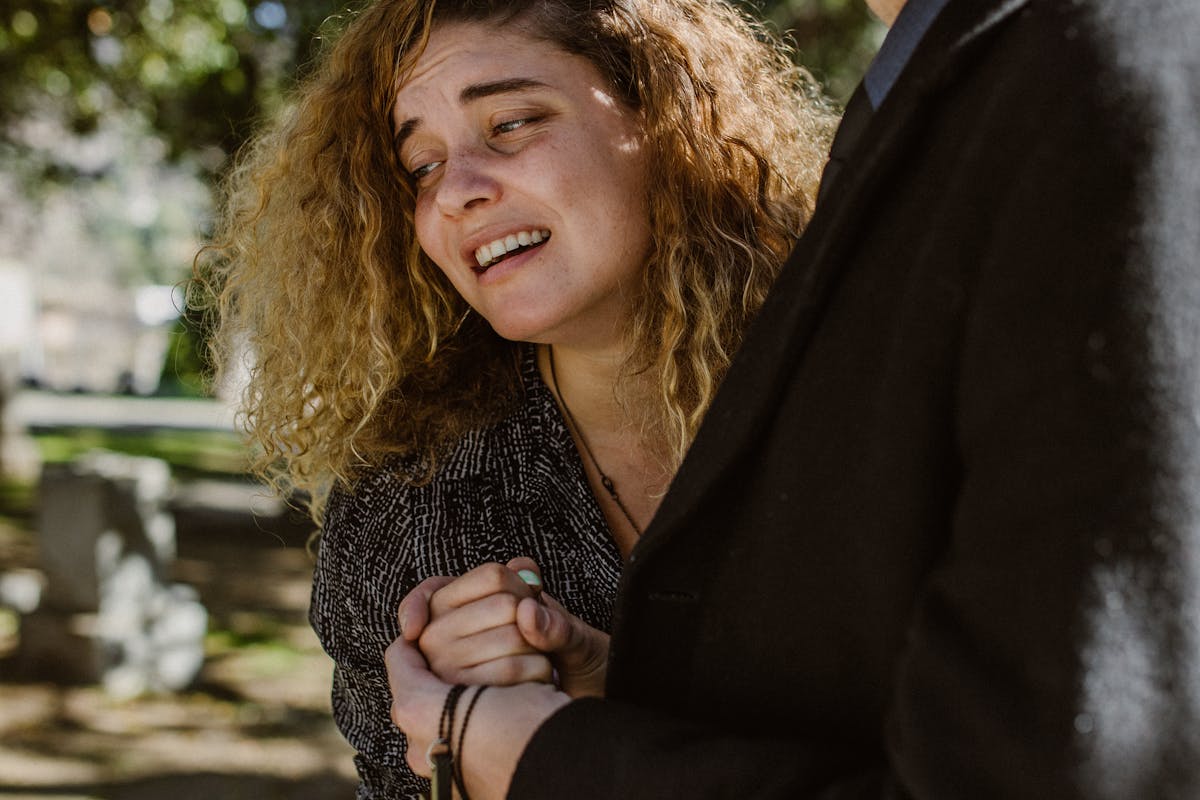

You're at the supermarket and a song comes on. Suddenly, you're crying in the middle of the produce section because it was their favourite song. Or you reach for the phone to call them and remember they're gone.
Grief is one of the most profound human experiences. It's also one that society often doesn't know how to handle.
"Just let time heal it." "They're in a better place now." "You should be over it by now." These well-meaning phrases often leave you feeling isolated in your pain.
Grief counselling offers something different: a space to fully feel what you're feeling, honour what you've lost, and gradually rebuild meaning.
Let me explain what grief is, how counselling helps, and what you might expect.
What Is Grief?
Grief is the full emotional, physical, and existential response to loss.
It's not just sadness. It's:
- Emotional: Sadness, anger, guilt, relief, confusion, numbness
- Physical: Exhaustion, heaviness, difficulty sleeping, loss of appetite
- Cognitive: Difficulty concentrating, confusion, intrusive thoughts
- Existential: Questions about meaning, identity, faith, "why?"
- Relational: Loss of a specific person's presence in your daily life
Important: Grief isn't a mental health problem. It's a normal, healthy response to loss.
But grief can become complicated when:
- You can't feel it (dissociation, numbness that doesn't ease)
- You're stuck in a particular stage (rage, guilt, despair) for extended time
- You're grieving alone without support
- The loss was sudden or traumatic
- You're grieving multiple losses simultaneously
- You lack social support (others judging your grief, minimising your loss)
The Stages of Grief (And Why They're Misunderstood)
You've probably heard about the "five stages": denial, anger, bargaining, depression, acceptance.
Important caveat: These aren't linear. You don't move from one to the next. Instead, you might experience all of them in an hour, or skip some entirely.
Also: grief doesn't always end with "acceptance." Sometimes you reach a new normal where the loss is integrated—you accept it happened, but sadness still visits.
How grief actually moves:
Shock and disorientation (first days/weeks) You can't quite believe it. Your nervous system is protecting you from overwhelming reality. You might feel eerily calm or oddly functional. This is normal.
Waves of emotion (weeks/months) You're hit by sadness, anger, regret—sometimes all in one day. Small things trigger huge responses. You're starting to feel the loss.
Searching and yearning (months) You catch yourself reaching for your phone to call them. You dream they're still here. You're starting to internalise the loss but it doesn't feel real yet.
Despair and deeper sadness (months) The reality fully hits. They're really gone. This is often the most painful stage because you're no longer in shock—you're truly feeling it.
Gradual integration (ongoing) Over time, the loss becomes part of your story rather than the whole story. You remember them without the acute pain. You can hold both sadness and joy. You rebuild meaning.
Important: This might take weeks, months, or years. There's no "normal" timeline.
What Grief Counselling Does
Grief counselling isn't about "getting over it." It's about:
- Creating space for you to feel: A place where your grief isn't fixed, redirected, or minimised
- Honouring the relationship: Acknowledging what this person meant to you and what their loss means
- Expressing what's unexpressed: Anger, guilt, regret, love, relief—whatever's there
- Processing the loss: Moving from "they're dead" as abstract fact to lived reality
- Rebuilding identity: You were someone who had them in your life. Now you're rebuilding who you are without them
- Making meaning: Finding ways to honour their memory and continue a connection
- Reconnecting to life: Slowly re-engaging with living while holding the loss
How Grief Counselling Works
The First Sessions
The counsellor helps you tell your story:
- How did they die? (or what's the loss?)
- Who were they to you?
- What's been hardest?
- How are you managing practically?
There's no rush. You tell it at your pace.
Ongoing Sessions
You might:
- Talk about them—memories, what they meant, what you miss
- Express anger, guilt, regret, or love that hadn't been said
- Process the practical and emotional aftermath
- Notice how you're changing and grieving
- Mark anniversaries or difficult dates
- Rebuild routines and identity without them
Special Moments
Some sessions focus on:
- Guilt: Real guilt (things left unsaid) or grief-guilt (feeling relief they're gone)
- Anger: At them for leaving, at God, at yourself, at the unfairness
- Meaning-making: What their life meant, what legacy remains, how to honour them
- Continuing bonds: Ways to stay connected (visiting their favourite places, creating rituals, making donations in their name)
Different Types of Loss
Death
The most obvious loss. The counsellor helps you face the reality that they're not coming back, and gradually integrate that.
Anticipatory Grief
When someone is dying and you grieve while they're still alive. This is real grief, and it's different—you're grieving while also still having them.
Sudden Loss
Death that's unexpected (accident, sudden illness, suicide). Often creates more shock and less time to prepare psychologically.
Complicated Grief/Traumatic Loss
Death that's violent, sudden, or where you feel responsible. Requires trauma-informed grief work.
Disenfranchised Grief
Loss that society doesn't fully acknowledge:
- Miscarriage or stillbirth
- Estrangement (loss of a relationship while someone's alive)
- Loss of a pet
- Death of someone you had a complicated relationship with
All of these are real losses deserving of real grief.
What Helps in Grief Counselling
- Being truly heard: Not being told how to feel or when to "move on"
- The counsellor's presence: Their steady, compassionate presence can help regulate your nervous system
- Talking about them: Saying their name, telling stories, keeping them alive in your memory
- Expressing unexpressed feelings: Anger, guilt, regret, things unsaid
- Rituals: Creating ways to mark the loss and honour them (planting a tree, giving to a cause they cared about, writing letters)
- Connection to others who understand: Feeling less alone
- Gradually re-engaging: When you're ready, rebuilding routines and meaning
When to Seek Grief Counselling
You might consider counselling if:
- The loss was sudden or traumatic
- You're grieving alone without support
- You're feeling stuck in one emotion (rage, despair, guilt) for months
- You're not grieving at all (dissociation, numbness)
- You're grieving multiple losses
- You didn't have closure with the person
- You're struggling with guilt or anger
- You need someone outside your social circle to talk to
- You want to honour the relationship and their memory in meaningful ways
You don't need counselling just because you're grieving—grief is normal. But support can be invaluable.
How Long Does Grief Counselling Take?
There's no endpoint. But:
- First few months: You might come weekly as you're processing shock and beginning to feel
- Months 3-12: You might come fortnightly or monthly as the work deepens
- After 1 year: You might come less frequently or take breaks
Some people come for a few months. Some come for years—not because they're "not healing," but because the counsellor is a stable presence in their ongoing grief.
Grief Work: What It's Not
It's not: "Getting over it" It is: Integrating the loss into your life
It's not: Forgetting them or stopping missing them It is: Learning to hold the loss with more ease
It's not: Moving on It is: Moving forward while carrying them with you
It's not: Finding the "silver lining" It is: Honoring the pain and beauty of what was
A Real Example
James lost his father suddenly at 52. They'd had a difficult relationship—distant, unsaid things.
In counselling, James:
- Allowed himself to feel angry at his father for being emotionally unavailable
- Grieved that he'd never have the close relationship he wanted
- Also remembered moments of connection and love
- Processed guilt about not calling him enough
- Created a ritual: every year on his birthday, he volunteers (his father loved helping people)
- Over time, rebuilt an internal relationship with his father—honouring what was real while accepting what could never be
This wasn't "getting over" his father's death. It was weaving the loss and the love into his ongoing life.
TL;DR: Key Takeaways
- Grief is a normal response to loss, not a problem to fix
- Grief counselling creates space for you to feel fully and honour what you've lost
- There's no timeline: grief unfolds in its own timeframe
- Counselling helps you process the loss and rebuild meaning while holding connection to the person
- Continued bonds are healthy: you don't have to "move on" to heal
- Seeking support is an act of love—for yourself and for the person you've lost
Frequently Asked Questions
Is it weird that I feel relief sometimes, alongside sadness?
No. Relief is a normal emotion, especially if the person suffered or if the relationship was complicated. You can feel both sadness and relief.
How long should grief take?
There's no "should." Major grief reshapes your life; it takes as long as it takes. Most people find the acute pain eases over months, but grief visits for years.
Can I do grief counselling online?
Yes. Online grief counselling can work well. Some people find it easier to cry on video than in person; others prefer in-person presence. Both can be effective.
What if I'm angry at the person for dying?
That's grief. Counselling creates space for anger. It's normal and it doesn't mean you didn't love them.
Grief is the price of love. Counselling helps you pay that price with full presence and gradually rebuild meaning in your life.
Related Topics:
Ready to start your therapy journey?
Book a free 15-minute consultation to discuss how we can support you.
Book a consultation→