
When James came to therapy complaining of chronic fatigue, digestive issues, and tension headaches, he'd already seen his GP three times, had blood work done, and been referred to a gastroenterologist.
All tests came back normal.
"They keep telling me there's nothing physically wrong," he said, frustrated. "But I feel terrible every day."
After our third session exploring his work stress, relationship anxieties, and perfectionist tendencies, James paused mid-sentence.
"Wait. You're saying my body is reacting to... stress? Like, my actual digestive system is affected by my thoughts about work?"
Yes, James. That's exactly what I'm saying.
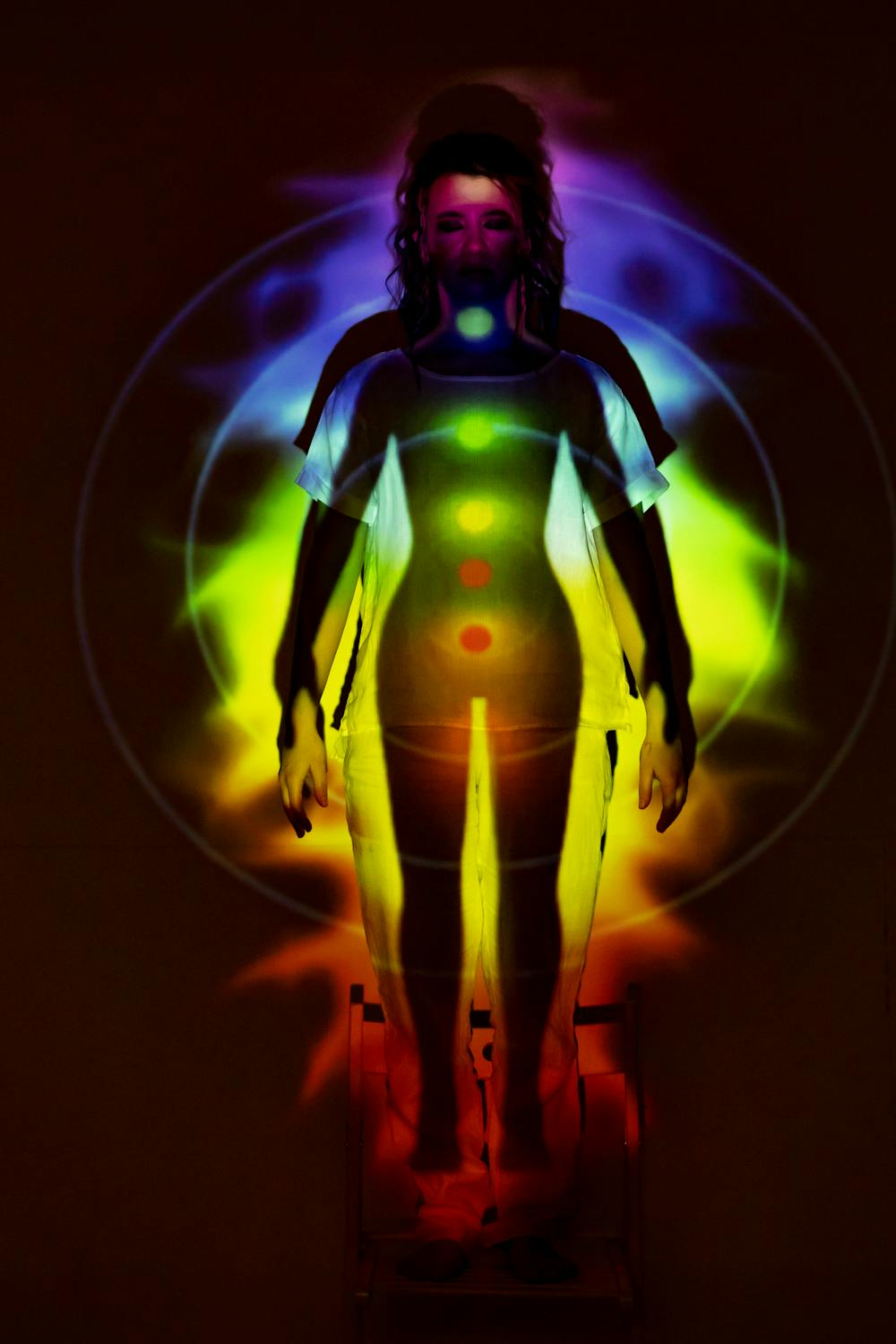
The mind-body connection isn't mystical or metaphorical—it's biological, measurable, and profoundly affects your health.
TL;DR: Key Takeaways
- Your mind and body aren't separate systems—they constantly communicate via nervous, immune, and endocrine systems
- Chronic stress creates measurable physical changes: elevated cortisol, inflammation, weakened immunity
- Mental health conditions have physical symptoms: depression affects sleep, appetite, energy, and pain perception
- Physical health affects mental health: chronic illness, pain, and inflammation impact mood and cognition
- Holistic approaches work best: treating mental and physical health together yields better outcomes
- Movement, nutrition, sleep, and stress management affect both mental and physical wellbeing
The Science of the Mind-Body Connection
How the Brain Talks to the Body
Three major systems create the mind-body link:
1. The Nervous System Your autonomic nervous system has two branches:
- Sympathetic ("fight or flight"): Activates stress response
- Parasympathetic ("rest and digest"): Promotes healing and recovery
Chronic anxiety keeps your sympathetic system activated, leading to:
- Elevated heart rate and blood pressure
- Suppressed digestive function
- Weakened immune response
- Muscle tension
- Disrupted sleep
2. The Endocrine System Stress triggers hormone release:
- Cortisol (stress hormone): Chronic elevation leads to weight gain, insulin resistance, immune suppression
- Adrenaline: Increases heart rate, blood pressure
- Inflammatory markers: Depression and anxiety correlate with elevated inflammation (CRP, IL-6)
3. The Gut-Brain Axis Your gut contains 100 million neurons (more than your spinal cord!) and produces 90% of your body's serotonin.
The vagus nerve creates a bidirectional highway between gut and brain:
- Gut bacteria affect mood and anxiety levels
- Stress alters gut microbiome composition
- IBS strongly correlates with anxiety and depression
How Mental Health Manifests Physically
Depression's Physical Symptoms
| Physical Symptom | How Common | Why It Happens |
|---|---|---|
| Fatigue | 90% of people with depression | Disrupted sleep architecture, altered energy metabolism |
| Changes in appetite/weight | 70% | Dysregulated hunger hormones (ghrelin, leptin) |
| Chronic pain | 65% | Altered pain processing in brain, inflammation |
| Digestive issues | 50% | Gut-brain axis disruption, stress impact on digestion |
| Slowed movement/speech | 30-40% | Psychomotor retardation (measurable slowing) |
Depression isn't "just in your head"—it creates measurable changes in brain structure, inflammation markers, and hormone levels.
Anxiety's Physical Manifestations
Acute anxiety (panic attacks):
- Heart palpitations
- Chest tightness
- Shortness of breath
- Dizziness
- Nausea
- Tingling in extremities
- Feeling of impending doom
Chronic anxiety:
- Persistent muscle tension (jaw, shoulders, stomach)
- Frequent headaches
- Digestive problems (IBS, nausea)
- Weakened immune function (getting ill more frequently)
- Sleep disruption
- Chronic fatigue despite adequate rest
[EXPERT QUOTE]
"The body doesn't distinguish between physical and psychological stress. Whether you're running from a tiger or worrying about a deadline, your body releases the same stress hormones. The problem is, we're not designed to maintain that activation chronically." — Dr. Bessel van der Kolk, trauma and neuroscience researcher
Stress and Immune Function
Short-term stress can temporarily boost immunity (evolutionary advantage—preparing body for potential injury).
Chronic stress suppresses immunity:
- Reduced natural killer cell activity (important for fighting viruses and cancer)
- Slower wound healing
- Increased susceptibility to infections
- Reactivation of latent viruses (like cold sores during stressful periods)
Studies show caregivers of dementia patients (experiencing chronic stress) take 24% longer to heal wounds and show 50% weaker antibody responses to flu vaccines.
How Physical Health Affects Mental Wellbeing
The relationship works both ways:
Chronic Illness and Depression
50-75% of people with chronic illnesses develop depression or anxiety:
- Diabetes: 20-30% depression rate
- Heart disease: 30-40% depression rate
- Chronic pain: 50-80% depression rate
- Cancer: 25-30% depression rate
Why?
- Inflammation from illness affects brain chemistry
- Life restrictions reduce quality of life
- Medication side effects
- Uncertainty and loss of control
- Social isolation
- Financial stress
Chronic Pain and Mental Health
Pain is inherently stressful. Chronic pain creates a vicious cycle:
- Pain triggers stress response
- Stress increases pain sensitivity
- Chronic pain leads to sleep disruption
- Poor sleep worsens mood and lowers pain threshold
- Depression and anxiety develop
- Mental health issues further amplify pain perception
Brain imaging shows: Depression and anxiety literally change how the brain processes pain signals, lowering pain threshold.
Inflammation as the Common Link
Emerging research suggests inflammation is a key player in both physical and mental health:
- Depression correlates with elevated inflammatory markers
- Anti-inflammatory interventions can improve depression symptoms
- Chronic stress creates systemic inflammation
- Inflammation is linked to heart disease, diabetes, autoimmune conditions, and mental illness
Practical Strategies for Integrated Mind-Body Health
1. Movement (The Universal Medicine)
Exercise affects both mental and physical health through multiple pathways:
Mental health benefits:
- Releases endorphins (natural mood boosters)
- Reduces cortisol (stress hormone)
- Increases BDNF (promotes new brain cell growth)
- Improves sleep quality
- Provides sense of accomplishment
Physical health benefits:
- Cardiovascular health
- Metabolic regulation
- Immune function
- Inflammation reduction
You don't need:
- Gym membership or equipment
- Hours of time
- Athletic ability
You do need:
- 20-30 minutes most days
- Any movement you enjoy enough to sustain
- Consistency over intensity
Walking, dancing, cycling, swimming, yoga—all provide benefits. The best exercise is the one you'll actually do.
This is why I offer Walking Therapy—combining movement with therapeutic conversation creates benefits beyond either alone.
2. Nutrition and Mental Health
The gut-brain connection means what you eat affects how you feel:
Foods that support mental health:
- Omega-3 fatty acids (oily fish, walnuts, flaxseed): Anti-inflammatory, supports brain function
- Fermented foods (yogurt, kefir, kimchi): Support gut microbiome
- Colourful vegetables: Antioxidants reduce inflammation
- Complex carbohydrates: Stable blood sugar prevents mood crashes
Foods that worsen mental health:
- Excessive sugar: Creates blood sugar rollercoaster, worsens anxiety
- Ultra-processed foods: Associated with higher depression rates
- Excessive caffeine: Can trigger anxiety in sensitive individuals
- Alcohol: Depressant that disrupts sleep and neurotransmitters
Important caveat: Nutrition matters, but it's not a replacement for therapy or medication when needed. No amount of kale will cure clinical depression.
3. Sleep Hygiene
Sleep disruption is both cause and consequence of mental health issues:
Poor sleep worsens:
- Mood regulation
- Stress resilience
- Cognitive function
- Pain perception
- Immune function
Mental health issues disrupt sleep:
- Anxiety causes difficulty falling asleep (racing thoughts)
- Depression disrupts sleep architecture (early waking, non-restorative sleep)
Evidence-based sleep strategies:
- Consistent sleep/wake times (even weekends)
- 30-60 minutes screen-free before bed
- Cool, dark bedroom
- No caffeine after 2pm
- Address rumination with "worry time" earlier in the day
- Consider therapy if sleep issues persist
4. Stress Management Techniques
Breathing exercises (activate parasympathetic nervous system):
- Box breathing: 4-count inhale, 4-count hold, 4-count exhale, 4-count hold
- 4-7-8 breath: 4-count inhale, 7-count hold, 8-count exhale
Mindfulness and meditation:
- Reduces activity in amygdala (fear centre)
- Increases prefrontal cortex activation (rational mind)
- Lowers cortisol
- Improves immune function
Even 10 minutes daily shows measurable benefits in brain imaging studies.
5. Social Connection
Loneliness creates physical health risks equivalent to smoking 15 cigarettes daily:
- Increased inflammation
- Elevated blood pressure
- Weakened immunity
- Higher mortality risk
Meaningful social connection:
- Buffers against stress
- Releases oxytocin (bonding hormone that counters cortisol)
- Provides emotional support
- Gives life meaning and purpose
Quality matters more than quantity—one close relationship provides more health benefit than dozens of superficial connections.
6. Therapy as Holistic Health Care
Therapy addresses mental health, which improves physical health outcomes:
Research shows therapy:
- Reduces inflammation markers
- Improves immune function
- Lowers blood pressure
- Reduces chronic pain
- Improves sleep
- Reduces frequency of GP visits
At Kicks Therapy, I work with the whole person—mind, body, and context. We'll explore:
- How your emotional experiences manifest physically
- Lifestyle factors affecting both mental and physical health
- Mind-body practices that support wellbeing
- Relationship between past experiences and current health patterns
When to Seek Professional Help
See a therapist if:
- Physical symptoms persist despite normal medical tests
- You recognise stress/anxiety patterns affecting your health
- Chronic illness is impacting your mental health
- You want support developing healthier coping strategies
See your GP if:
- You have new or worsening physical symptoms
- You're experiencing severe depression or anxiety
- You're considering medication
- You have chronic pain
Ideal approach: Collabourative care where GP and therapist communicate (with your permission), addressing both physical and psychological aspects.
Frequently Asked Questions
Q: Can therapy really help physical symptoms? A: Yes. Studies show CBT reduces IBS symptoms, mindfulness reduces chronic pain, and therapy for depression improves immune function. When physical symptoms have psychological components, addressing the mind affects the body.
Q: Isn't focusing on mental health ignoring real physical illness? A: No. It's recognizing that physical and mental health influence each other. You can (and should) address both simultaneously.
Q: What if my doctor dismissed my symptoms as "just stress"? A: Even if stress is the primary cause, your symptoms are real and deserve treatment. Seek a GP who takes you seriously. Stress-related symptoms still require intervention.
The Bottom Line
You're not a brain in a jar—you're an integrated system where thoughts affect tissues and physical states shape mental experiences.
Acknowledging this isn't admitting your symptoms are "imaginary." It's recognizing that effective treatment requires addressing the whole person.
Whether you're dealing with:
- Unexplained physical symptoms
- Chronic illness affecting your mood
- Stress manifesting as health problems
- Or simply wanting to optimize both mental and physical wellbeing
...understanding the mind-body connection empowers you to care for yourself more effectively.
Support Your Mind-Body Health with Integrated Therapy
At Kicks Therapy, I use integrative humanistic approaches that honour the connection between your psychological and physical experiences.
Whether through:
- In-person sessions (Fulham, SW6)
- Online therapy (UK-wide)
- Walking therapy (South West London)—particularly powerful for embodied, mind-body work
I can support you in developing practices that nurture both mental and physical wellbeing.
Book a free 15-minute consultation to discuss how integrated therapy can support your whole-person health.
This article is educational and doesn't replace medical or mental health care. Always consult healthcare professionals for persistent symptoms.
References: van der Kolk (2014), Kiecolt-Glaser et al. (1995), National Institute of Mental Health, American Psychological Association
Related Topics:
Ready to start your therapy journey?
Book a free 15-minute consultation to discuss how we can support you.
Book a consultation→