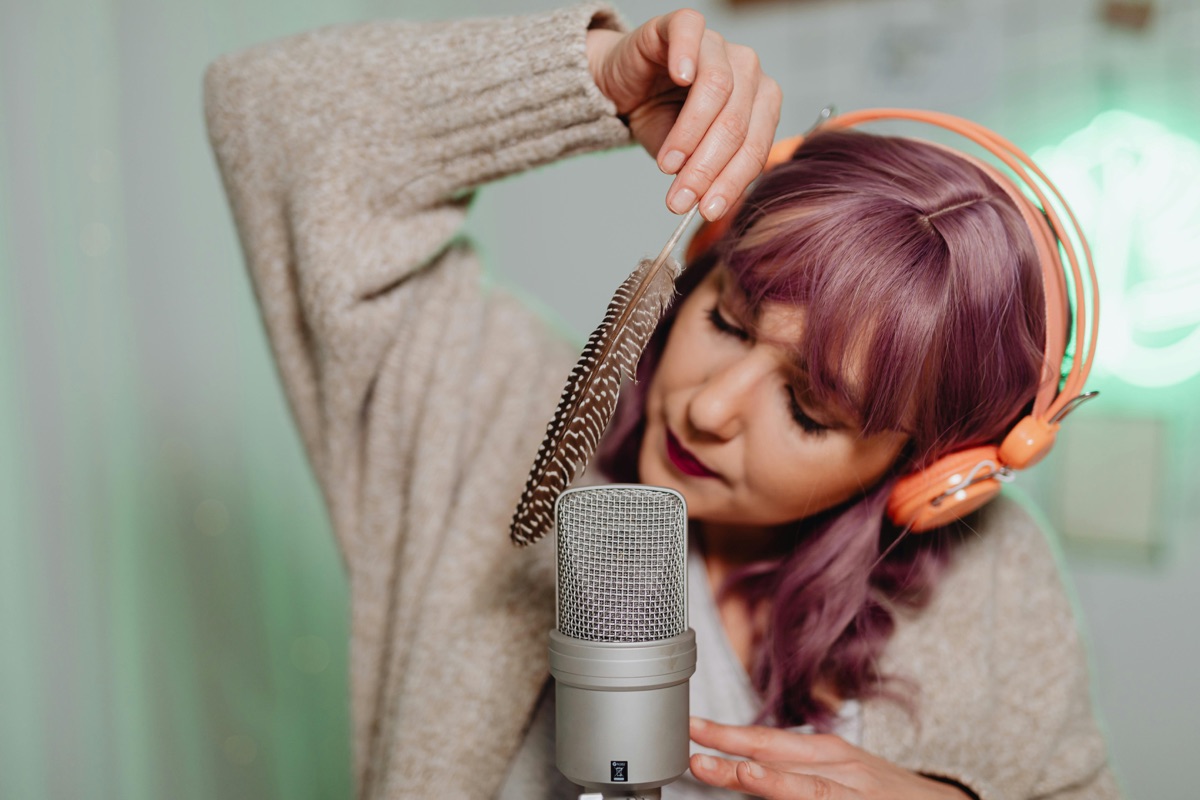

Quality mental health podcasts offer accessible education, personal stories, and expert insights—often more engaging than reading. As a therapist regularly asked for recommendations, here are podcasts actually worth your time.
Rating criteria: Evidence-base, production quality, accessibility, expertise.
Best for Understanding Therapy
The Savvy Psychologist: ★★★★★
Host: Ellen Hendriksen, PhD (clinical psychologist)
Format: Short episodes (10-25 min) on specific psychology topics
Focus: Evidence-based mental health and psychology
Tone: Accessible, warm, no jargon
Why it's excellent: Dr. Hendriksen explains psychology clearly without dumbing down. Topics range from social anxiety to perfectionism, procrastination to relationships. Practical, evidence-based, immediately applicable.
Best episodes:
- "How to Stop Overthinking"
- "The Science of Self-Compassion"
- "Social Anxiety: When Small Talk Feels Like Big Talk"
Who it's for: Anyone wanting accessible, practical psychology based on science
The Psych Show: ★★★★☆
Host: Ali Mattu, PhD (clinical psychologist)
Format: Video podcast covering mental health topics
Focus: Therapy techniques, pop culture psychology, mental health education
Tone: Engaging, often humourous, relatable
Why it's good: Mattu makes therapy techniques accessible, often using examples from films/TV. Combines education with entertainment.
Best for: Younger audiences, visual learners, anyone wanting engaging mental health education
Speaking of Psychology (APA): ★★★★☆
Host: Various (American Psychological Association)
Format: Interviews with psychological researchers
Focus: Latest psychology research explained
Tone: Professional but accessible
Why it's valuable: Directly from source—researchers discussing their work. Covers broad range from parenting to prejudice, trauma to technology.
Best for: People interested in research, wanting depth without reading journal articles
Best for Personal Stories and Lived Experience
The Mental Illness Happy Hour: ★★★★★
Host: Paul Gilmartin (comedian)
Format: Long-form interviews (90+ minutes) with guests about mental health
Focus: Personal mental health stories, trauma, recovery, therapy experiences
Tone: Raw, honest, often dark humour, deeply compassionate
Why it's powerful: Unflinching honesty. Guests (including therapists, celebrities, everyday people) share experiences with depression, anxiety, trauma, addiction. Reduces shame through radical honesty.
Content warning: Discusses suicide, abuse, trauma explicitly
Best for: People wanting to feel less alone, appreciate honest conversation, can handle heavy content
Fearne Cotton's Happy Place: ★★★★☆
Host: Fearne Cotton (broadcaster)
Format: Interviews with guests about happiness and wellbeing
Focus: Mental health, happiness, what makes life meaningful
Tone: Warm, conversational, optimistic
Why it resonates: Cotton's openness about her own mental health struggles creates safety for guests. Covers therapy, meditation, creativity, relationships.
Best for: Accessible entry to mental health conversation, UK-focused
The Hilarious World of Depression: ★★★★☆
Hosts: John Moe
Format: Comedians discussing depression
Focus: Depression with humour
Tone: Funny, honest, surprising
Why it works: Uses humour to access difficult topic. Shows depression affects successful, funny people—challenges stereotypes.
Best for: People with depression wanting lighter approach, fans of comedy
Best for Practical Mental Health Skills
The Anxiety Coaches Podcast: ★★★★☆
Hosts: Gina Ryan, LMFT
Format: Practical anxiety management strategies
Focus: Specific anxiety symptoms and how to handle them
Tone: Coach-like, practical, encouraging
Why it's useful: Actionable advice. Episodes target specific issues: health anxiety, panic attacks, social anxiety, intrusive thoughts.
Best for: Anyone managing anxiety wanting practical tools
The Calmer You Podcast: ★★★★☆
Host: Chloe Brotheridge (anxiety expert, hypnotherapist)
Format: Short episodes on anxiety, stress, confidence
Focus: Practical wellbeing strategies
Tone: Calming (appropriately!), supportive
Why it helps: Accessible length (15-30 min), practical, specific techniques (breathing, mindfulness, reframing)
Best for: Busy people wanting practical anxiety management in digestible episodes
Best for Understanding Trauma
The Trauma Therapist Podcast: ★★★★★
Host: Guy Macpherson, PhD
Format: Interviews with trauma therapy experts
Focus: Trauma treatment approaches, therapist development
Tone: Professional, in-depth, educational
Why it's valuable: Deep dives into trauma therapy—EMDR, somatic approaches, neuroscience. For both clients wanting to understand trauma treatment and therapists developing skills.
Best for: Trauma survivors, therapists, anyone wanting depth on trauma recovery
On Being (Selected Episodes): ★★★★☆
Host: Krista Tippett
Format: Thoughtful conversations with thinkers, healers, scientists
Focus: Spirituality, meaning, human experience (selected episodes relevant to mental health/trauma)
Tone: Contemplative, profound, beautifully produced
Why specific episodes matter: When covering trauma (Bessel van der Kolk), resilience (Rachel Yehuda), or compassion (Thich Nhat Hanh), produces deeply moving, healing conversations.
Best for: Reflective listeners, interest in spirituality/meaning alongside psychology
Best for Therapist Insight
Therapy Chat: ★★★★☆
Hosts: Laura Reagan, LCSW-C and Holly Cox, LCPC
Format: Therapists discussing therapy topics
Focus: Therapy practice, techniques, therapist perspective
Tone: Inside conversation between therapists
Why it's fascinating: Behind-the-curtain look at how therapists think, what they notice, challenges they face
Best for: Curious about therapy process, considering training as therapist
Where Should We Begin? (Esther Perel): ★★★★★
Host: Esther Perel (renowned couples therapist)
Format: Real couples therapy sessions (with permission)
Focus: Relationship dynamics, communication, intimacy
Tone: Insightful, sometimes confrontational, always compassionate
Why it's exceptional: Hearing real therapy is powerful. Perel's insights into relationship dynamics are brilliant. Production quality superb.
Best for: Anyone in relationships, considering couples therapy, interested in relationship dynamics
Best for Specific Populations
The Guilty Feminist (Mental Health Episodes): ★★★★☆
Host: Deborah Frances-White
Format: Comedy podcast with feminist perspective
Focus: Various topics including mental health from feminist lens
Why relevant: Selected episodes brilliantly address women's mental health, perfectionism, body image with humour and insight.
Best for: Women, comedy fans, feminist perspective
Man Up: A Practical Guide to Male Mental Health: ★★★★☆
Host: Mind (charity)
Format: Men discussing mental health
Focus: Male mental health, breaking stigma
Tone: Direct, honest, accessible
Why it matters: Addresses male-specific mental health barriers
Best for: Men, anyone interested in gender and mental health
What to Avoid
Red flags:
- Hosts without credentials giving clinical advice
- Promoting pseudoscience (crystals curing depression, etc.)
- Anti-medication dogma
- "Cured my trauma with this one weird trick"
- Excessive advertising/monetization compromising content
- Oversharing without purpose
How to Use Mental Health Podcasts
Podcasts are excellent for:
- Education and understanding
- Reducing isolation (hearing others' experiences)
- Accessible mental health content (commute, exercise, chores)
- Motivation to seek help
- Normalizing therapy
Podcasts can't replace:
- Professional therapy
- Medical diagnosis
- Crisis support
- Individualised treatment
Tips:
- Start with single episode before subscribing
- Note which resonate; people's preferences vary widely
- Don't use for crisis situations (seek immediate professional help)
- Balance listening with action (knowledge without practice doesn't create change)
- Be selective (hundreds exist; quality varies)
My Top Recommendations by Need
Understanding anxiety: The Anxiety Coaches Podcast, The Savvy Psychologist
Understanding depression: The Mental Illness Happy Hour, Hilarious World of Depression
Understanding trauma: The Trauma Therapist Podcast
Relationship issues: Where Should We Begin? (Esther Perel)
General mental health education: The Savvy Psychologist, Speaking of Psychology
Feeling less alone: The Mental Illness Happy Hour
Quick practical tips: The Calmer You Podcast
UK-focused: Fearne Cotton's Happy Place
The Bottom Line
Quality mental health podcasts educate, normalise, inspire, and reduce isolation. They're accessible, often free, and can genuinely help understanding and managing mental health.
But they supplement rather than replace professional support when needed. If podcasts are resonating because you're struggling, consider them the first step toward seeking appropriate help.
My clinical perspective: I recommend specific podcast episodes to clients as homework—extending therapy conversation, normalizing experiences, teaching concepts efficiently. Podcasts are valuable educational tools but work best alongside, not instead of, therapy for significant mental health concerns.
For other free resources including apps and support services, see our comprehensive guide to free mental health resources in the UK.
Disclaimer: Recommendations based on clinical assessment of quality, evidence-base, and helpfulness. No financial relationships with podcasts mentioned.
Related Topics:
Ready to start your therapy journey?
Book a free 15-minute consultation to discuss how we can support you.
Book a consultation→