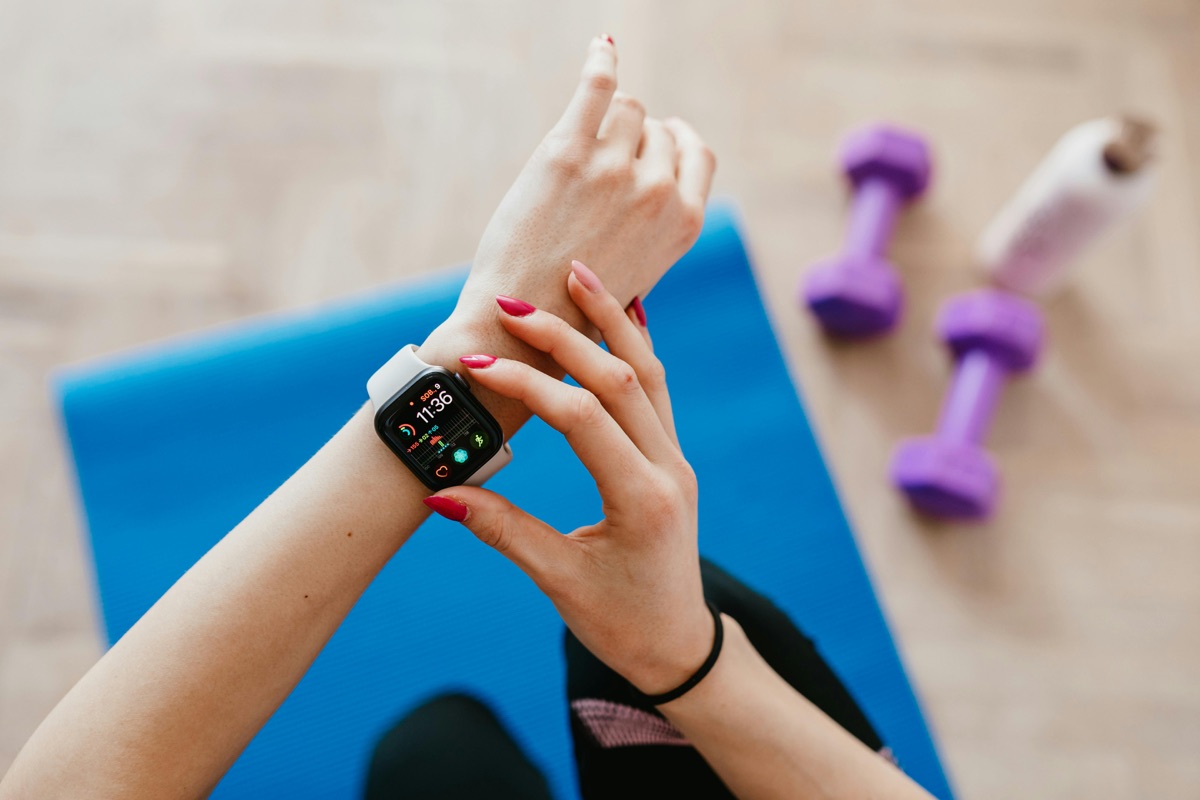

Mental Health Wearables and Trackers: Do They Actually Work? A Therapist's Review
Your smartwatch buzzes: "Your stress level is elevated. Take a moment to breathe."
How does it know you're stressed? Is it accurate? And crucially—does this information actually help your mental health, or just add another metric to obsess over?
Mental health wearables promise to quantify the unquantifiable: stress, mood, anxiety, even resilience. Devices like Fitbit, Apple Watch, Oura Ring, and Muse headband claim to track mental wellbeing through biometric data—heart rate variability, sleep patterns, activity levels, even brainwaves.
But as a therapist who's tracked my own data and heard countless client experiences, I'm skeptical.
Wearables can provide interesting insights. But they also risk medicalising normal human variation, creating anxiety about "abnormal" readings, and offering technological solutions to problems requiring human connection and systemic change.
This article reviews popular mental health wearables, examining:
- What they actually measure
- Accuracy and scientific backing
- Usefulness for mental health
- Potential harms
- Who might benefit—and who should avoid them
TL;DR:
| Device | Mental Health Features | Accuracy | Usefulness | Price | Verdict |
|---|---|---|---|---|---|
| Apple Watch | Stress resilience, mindfulness tracking, breathing exercises | Moderate | Moderate—good for awareness, limited clinical use | £399-£799 | Useful for self-aware tracking; expensive |
| Fitbit (Sense 2) | Stress management score, EDA sensor, mood logging | Moderate | Moderate—helpful for pattern recognition | £249-£299 | Best value for mental health features |
| Oura Ring | Sleep, HRV, readiness score | High (for sleep/HRV) | Moderate—indirect mental health insights | £299 + £5.99/month | Excellent for sleep focus; subscription required |
| Muse Headband | EEG meditation feedback | Moderate (EEG limited) | Low-moderate—interesting but not essential | £199-£329 | Niche; only for meditation enthusiasts |
| Whoop Strap | Recovery, strain, HRV | High | Moderate—athlete-focused, some mental health insights | £239/year subscription | Expensive; primarily for athletes |
What Are Wearables Actually Measuring?
Mental health wearables don't directly measure emotions or mental states. Instead, they track physiological proxies—body signals associated with stress, anxiety, or wellbeing.
Key Metrics
1. Heart Rate Variability (HRV)
What it is: Variation in time intervals between heartbeats. Higher HRV generally indicates better stress resilience and autonomic nervous system balance.
What it means:
- High HRV: Good recovery, low stress, resilient nervous system
- Low HRV: Elevated stress, poor recovery, taxed nervous system
Mental health relevance: HRV correlates with stress, anxiety, and depression. Lower HRV is associated with higher anxiety and poorer stress resilience.
Limitations: HRV is influenced by many factors (fitness, sleep, caffeine, illness, hormones). A low HRV might mean stress—or just that you had poor sleep or drank too much coffee.
2. Electrodermal Activity (EDA) / Skin Conductance
What it is: Measures sweat gland activity via skin electrical conductance. Increases during stress/arousal.
Mental health relevance: Used in lie detector tests and anxiety research. Elevated EDA suggests physiological arousal (stress, anxiety, excitement).
Limitations: Non-specific. Can't distinguish between anxiety, excitement, or physical exertion.
3. Sleep Tracking
What it measures: Sleep duration, sleep stages (light, deep, REM), sleep quality, disturbances.
Mental health relevance: Sleep and mental health are bidirectional: poor sleep worsens mental health; mental health problems disrupt sleep.
Improving sleep can improve mood, anxiety, resilience.
Limitations: Consumer wearables' sleep staging accuracy is moderate (70-80% compared to gold-standard polysomnography). Close enough for trends but not clinical diagnosis.
4. Activity Levels
What it measures: Steps, exercise, sedentary time, movement patterns.
Mental health relevance: Exercise improves mood, reduces anxiety, supports mental health. Sedentary behaviour correlates with depression.
Limitations: Correlation isn't causation. Low activity might be symptom of depression, not cause.
5. Breathing / Mindfulness Prompts
What it does: Guided breathing exercises, mindfulness reminders.
Mental health relevance: Breathwork and mindfulness reduce stress and anxiety.
Limitations: Only helpful if you actually do them. Notification fatigue = ignored prompts.
6. EEG (Muse Headband)
What it measures: Electrical brain activity via sensors on scalp.
Mental health relevance: Certain brainwave patterns (alpha, theta) associated with relaxation and meditation.
Limitations: Consumer EEG devices offer limited, surface-level data. Clinical EEG requires multiple electrodes and controlled conditions.
Device Reviews
1. Apple Watch (Series 9 / Ultra 2)
Mental health features:
- Mindfulness app: Guided breathing, reflection prompts
- Stress resilience tracking: Uses HRV and other metrics to estimate stress patterns
- Sleep tracking: Duration, stages, respiratory rate
- Activity tracking: Exercise, movement, standing
- Crash detection, fall detection (safety features useful for vulnerable individuals)
Accuracy:
- HRV: Reasonably accurate
- Sleep: Moderate accuracy (~75% compared to clinical polysomnography)
- Stress: Proprietary algorithm; limited independent validation
Usefulness:
- Good for awareness: Seeing HRV trends, sleep patterns, activity levels
- Mindfulness reminders: Helpful if you actually use them
- Integration: Syncs with iPhone health data, therapy apps
Limitations:
- Expensive: £399-£799
- Battery life: Daily charging required (annoying for sleep tracking)
- Proprietary ecosystem: Requires iPhone
- Notification overload: Can increase stress rather than reduce it
Who it's for: Apple users wanting all-in-one device with mental health features as bonus.
Verdict: Useful if you already want an Apple Watch for other reasons. Not worth buying solely for mental health features.
2. Fitbit Sense 2
Mental health features:
- Stress Management Score: Daily score (1-100) based on HRV, activity, sleep
- EDA sensor: Measures electrodermal activity during stress sessions
- Mood logging: Self-report mood tracking
- Mindfulness sessions: Guided breathing
- Sleep tracking: Detailed sleep stages, sleep score
Accuracy:
- EDA: Novel feature; limited independent validation but interesting
- HRV/Stress score: Reasonably accurate
- Sleep: Good accuracy
Usefulness:
- Stress Management Score provides daily overview
- EDA sessions useful for biofeedback (seeing stress response in real-time)
- Mood logging helps pattern recognition
Limitations:
- Requires Fitbit Premium (£7.99/month) for full features
- EDA requires manual sessions (not passive tracking)
- Stress score can be confusing (what does "62" actually mean?)
Who it's for: People wanting dedicated mental health features at more affordable price than Apple Watch.
Verdict: Best value for mental health-focused wearable. EDA feature is interesting; stress score provides useful daily check-in.
3. Oura Ring (Gen 3)
Mental health features:
- Readiness Score: Daily score based on HRV, sleep, activity, recovery
- Sleep tracking: Highly accurate (rivals medical-grade devices)
- HRV trends: Detailed HRV data and trends
- Activity and rest balance: Helps prevent burnout
Accuracy:
- Sleep tracking: Excellent (gold standard among consumer devices)
- HRV: Very accurate
- Readiness score: Well-validated algorithm
Usefulness:
- Sleep focus excellent for mental health (sleep improvement = mood improvement)
- Readiness score helps pace activity (useful for preventing burnout)
- Discrete: Looks like normal ring; less intrusive than watch
Limitations:
- £299 upfront + £5.99/month subscription (expensive)
- No screen: Requires phone to view data
- Limited real-time feedback: Data delayed (reviews overnight data next morning)
Who it's for: Sleep-focused individuals; people recovering from burnout; anyone who dislikes watches.
Verdict: Excellent for sleep and recovery tracking. Subscription model is annoying but device quality is high. Best for people prioritising sleep optimisation for mental health.
4. Muse Headband (Muse 2 / Muse S)
Mental health features:
- EEG meditation feedback: Real-time brainwave monitoring during meditation
- Guided meditations: Audio sessions with EEG feedback
- Heart, breath, body tracking: Biometric feedback during meditation
- Sleep tracking (Muse S): EEG-based sleep staging
Accuracy:
- EEG: Limited (consumer EEG is surface-level)
- Meditation feedback: Provides interesting data but doesn't measure "meditation quality" definitively
Usefulness:
- Gamifies meditation: Some find biofeedback motivating
- Helps concentration: Feedback when mind wanders
- Interesting insights: Seeing brainwave patterns during meditation
Limitations:
- Expensive (£199-£329) for single-purpose device
- Requires wearing headband (bulky, uncomfortable for some)
- EEG accuracy questionable: Consumer-grade EEG limited compared to clinical devices
- Not essential for meditation: Many meditate successfully without it
Who it's for: Meditation enthusiasts curious about biofeedback; people who struggle with focus during meditation.
Verdict: Interesting but niche. Not essential. Only worth it if you're serious about meditation and find biofeedback motivating. Most people can meditate effectively without it.
5. Whoop Strap 4.0
Mental health features:
- Recovery score: Based on HRV, resting heart rate, sleep
- Strain tracking: Physiological stress from activity
- Sleep coaching: Optimises sleep for recovery
- HRV trends
Accuracy:
- HRV, sleep, recovery: High accuracy; used by professional athletes
Usefulness:
- Excellent for understanding recovery needs
- Prevents overtraining/burnout
- Sleep optimisation
Limitations:
- Subscription-only (£239/year minimum)—no one-time purchase option
- Athlete-focused: Designed for fitness, not explicitly mental health
- No screen: Requires phone app
- Overwhelming data: Can create anxiety about "optimising" everything
Who it's for: Athletes; high-performers; people recovering from burnout wanting to pace themselves.
Verdict: Excellent device but expensive subscription model and athlete focus make it less suitable for general mental health tracking. Better options exist unless you're also tracking fitness intensively.
Do These Devices Actually Help Mental Health?
What research says:
Limited evidence: Research on consumer wearables' mental health impact is limited and mixed.
Potential benefits:
- Awareness: Identifying patterns (e.g., "I sleep poorly before anxious days")
- Behaviour change: Exercise prompts, sleep hygiene improvements
- Biofeedback: Real-time stress feedback can support self-regulation
- Validation: Seeing physiological evidence of stress validates subjective experience
Potential harms:
- Anxiety about data: Obsessing over "bad" scores
- False reassurance: "Good" metrics don't mean you're fine if you're struggling
- Medicalisation: Treating normal variation as pathology
- Distraction: Focusing on numbers instead of addressing root causes
- Notification fatigue: Constant alerts increase stress
The paradox: For anxious, perfectionistic, or health-anxious individuals, wearables can worsen anxiety by creating another thing to worry about.
A Therapist's Perspective
I've had clients who found wearables genuinely helpful:
- Realising poor sleep worsened their anxiety
- Using HRV data to validate that work stress was affecting them physically
- Activity tracking motivating movement (which improved mood)
I've also had clients for whom wearables were harmful:
- Obsessively checking stress scores, spiralling when "high"
- Developing health anxiety from normal variations
- Using metrics to avoid addressing underlying issues ("My HRV is fine, so I must be fine"—despite feeling terrible)
My recommendation: If you're curious, try one. But monitor your relationship with it.
Warning signs wearable use is problematic:
- Checking data compulsively
- Anxiety about "bad" scores
- Avoiding activities that might worsen metrics
- Using data to dismiss subjective experience
- Wearable becomes another source of stress
If any of these apply, take a break from tracking.
Who Benefits Most?
Good candidates:
- People who find data motivating (not anxiety-provoking)
- Self-aware individuals using tools thoughtfully
- Those focusing on sleep improvement
- Athletes balancing training and recovery
- People in burnout recovery tracking rest
Poor candidates:
- Health-anxious individuals (risk worsening anxiety)
- Perfectionists (risk obsessing over perfect metrics)
- People with eating disorders (risk reinforcing disordered behaviours)
- Anyone prone to compulsive checking
Alternatives to Wearables
Free mental health tracking:
1. Mood journaling: Daily mood ratings + brief notes about sleep, activity, stressors.
2. Sleep diary: Track sleep times, quality (subjective rating), daytime energy.
3. Activity log: Note movement, exercise, time outdoors.
4. Apps: Daylio, Bearable, Sanvello offer free mood/symptom tracking without wearables.
Advantages:
- Free
- Focuses on subjective experience
- Encourages reflection
- No physiological data to obsess over
Best Practices If Using Wearables
1. Define your goal: What do you want to learn? Sleep patterns? Stress triggers? Activity levels?
2. Use data as information, not prescription: Low HRV doesn't mean you're failing. It's information to consider alongside subjective experience.
3. Limit checking: Once or twice daily max. Avoid compulsive checking.
4. Combine with subjective tracking: How do you feel? Numbers are only part of the picture.
5. Take breaks: If wearable use becomes stressful, take it off for a week. Notice how you feel.
6. Discuss with therapist: If in therapy, share data and discuss patterns. Therapist can help interpret meaningfully.
FAQs
Are wearables accurate enough for clinical use? No. They provide useful consumer-level data but aren't replacements for clinical assessments.
Can wearables diagnose mental health conditions? No. They can suggest patterns or risks but can't diagnose.
Should I buy a wearable specifically for mental health? Probably not. Buy one if you want it for multiple reasons (fitness, sleep, convenience) with mental health features as bonus.
Which device is best for mental health? Fitbit Sense 2 (best value, dedicated mental health features) or Oura Ring (excellent sleep tracking).
Can wearables replace therapy? Absolutely not. They're tools, not treatments.
Conclusion
Mental health wearables offer interesting insights but aren't magic solutions.
For some people—particularly those focusing on sleep, activity, or stress pattern recognition—they provide helpful data.
For others—especially anxious, perfectionistic, or health-anxious individuals—they risk adding stress rather than reducing it.
If you're curious, try one. But stay aware of your relationship with it. If tracking becomes compulsive or anxiety-provoking, step back.
Mental health isn't a metric to optimise. It's a complex, subjective experience requiring compassion, connection, and sometimes professional support—things no device can provide.
Professional Mental Health Support
Whilst wearables offer interesting data, they don't replace the nuanced understanding, empathic presence, and personalised guidance of therapy.
If you're struggling with anxiety, stress, sleep, or mental health challenges, Kicks Therapy offers compassionate, evidence-based counselling in Fulham (in-person) or online UK-wide.
Book a free 15-minute consultation to discuss how therapy can support you—no wearable required.
Kicks Therapy is a BACP-registered counselling service. This review is independent; we have no commercial relationships with device manufacturers.
Related Topics:
Ready to start your therapy journey?
Book a free 15-minute consultation to discuss how we can support you.
Book a consultation→