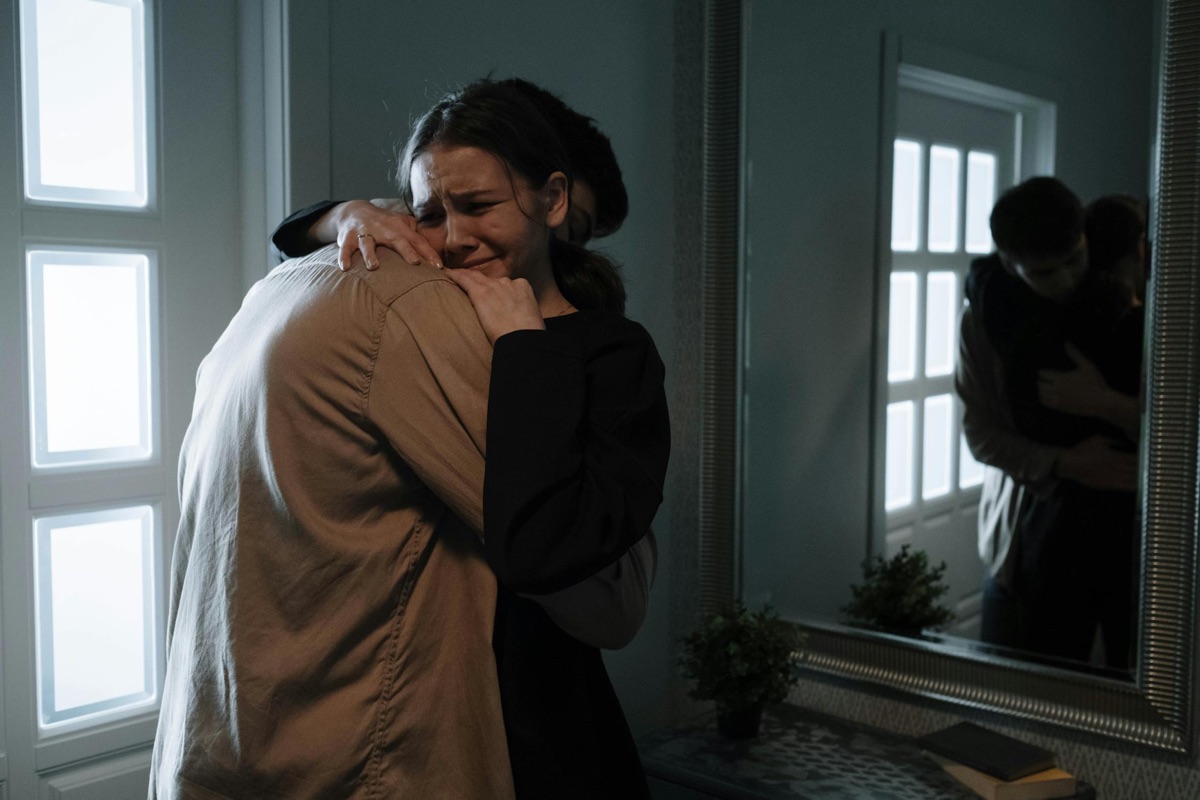

Navigating Grief: A Compassionate Guide to Loss and Healing
Grief arrives uninvited, often when we least expect it. It doesn't follow a schedule, respect social norms, or care about your to-do list. One moment you're functioning, the next you're weeping in the supermarket because you've glimpsed someone wearing your late father's cologne.
This is grief. Messy, unpredictable, and utterly human.
If you're reading this, chances are you're navigating loss—or supporting someone who is. Perhaps you've lost a person, a relationship, a pet, your health, a job, or a dream you once held dear. Maybe the loss happened yesterday, or perhaps it's been years, yet the ache remains.
Whatever your experience, this guide offers a compassionate framework for understanding grief, practical strategies for coping, and clarity about when professional support might help.
TL;DR:
- Grief is the natural response to loss—not just death, but any significant life change
- There's no "right way" to grieve; the "five stages" model is outdated and often unhelpful
- Grief can manifest physically, emotionally, cognitively, behaviourally, and spiritually
- Grief differs from depression, though they can coexist
- Complicated grief occurs when intense grief symptoms persist beyond 12 months
- Grief counselling provides specialised support for navigating loss
- Self-care, connection, and patience are essential during bereavement
What Is Grief, Really?
Grief is our psychological, emotional, and physical response to loss. It's not a disorder, illness, or something to "fix"—it's an adaptive process that helps us integrate loss and eventually find meaning again.
Contrary to popular belief, grief isn't just about death. We grieve many types of loss:
Types of Loss That Trigger Grief
Death-related losses:
- Loss of a loved one (parent, partner, child, friend)
- Loss of a pet
- Anticipatory grief (when someone is dying)
- Disenfranchised grief (losses not socially recognised, like miscarriage or estrangement)
Non-death losses:
- Relationship breakdowns (divorce, separation, friendship endings)
- Job loss or redundancy
- Diagnosis of chronic illness or disability
- Loss of physical function or mobility
- Moving away from home or community
- Loss of identity (retirement, empty nest, coming out)
- Loss of safety (after trauma or assault)
- Loss of dreams or expectations (infertility, career disappointment)
All these losses deserve recognition and space to grieve.
Debunking the "Five Stages" Myth
You've probably heard about the "five stages of grief": denial, anger, bargaining, depression, acceptance. This model, introduced by Elisabeth Kübler-Ross in 1969, has become cultural shorthand for grief.
Here's the problem: it was never meant to describe grief itself.
Kübler-Ross developed this framework to describe how dying patients process their own impending death—not how bereaved people grieve. Yet it's been misapplied for decades, creating harmful expectations about how grief "should" unfold.
The reality? Grief is not linear. You don't move neatly from stage to stage, ticking boxes until you reach acceptance. Instead, grief is:
- Cyclical: Emotions come in waves, not stages
- Individual: No two people grieve the same way
- Unpredictable: You might feel fine one day, devastated the next
- Long-lasting: Grief doesn't have an expiry date
- Ongoing: You don't "get over" loss; you learn to live alongside it
"Grief is not a disorder, a disease or a sign of weakness. It is an emotional, physical and spiritual necessity, the price you pay for love. The only cure for grief is to grieve." — Earl Grollman
How Grief Shows Up: The Many Faces of Loss
Grief affects us on multiple levels. Understanding this can help normalise what you're experiencing.
Emotional Manifestations
- Sadness, emptiness, yearning
- Anger (at the person who died, at God, at yourself, at others)
- Guilt ("I should have...") or regret
- Anxiety or fear (about the future, about losing others)
- Relief (especially after prolonged illness—this is normal)
- Numbness or emotional flatness
- Confusion or disorientation
Physical Symptoms
- Fatigue or exhaustion
- Changes in appetite (eating too much or too little)
- Sleep disturbances (insomnia or hypersomnia)
- Tightness in chest or throat
- Headaches or muscle tension
- Weakened immune system (frequent colds or infections)
- Digestive issues
Cognitive Effects
- Difficulty concentrating or making decisions
- Memory problems ("grief brain")
- Intrusive thoughts about the loss
- Preoccupation with the deceased
- Rumination on "what if" scenarios
- Confusion about identity or purpose
Behavioural Changes
- Social withdrawal or isolation
- Restlessness or agitation
- Crying spells or inability to cry
- Seeking connection with the deceased (visiting grave, looking at photos)
- Avoidance of reminders
- Changes in substance use
Spiritual or Existential Struggles
- Questioning beliefs or faith
- Searching for meaning ("Why did this happen?")
- Feeling disconnected from life's purpose
- Anger at God or the universe
- Profound existential loneliness
All of these are normal responses to abnormal circumstances.
Grief vs Depression: Understanding the Difference
Grief and depression can look remarkably similar—both involve sadness, loss of interest, sleep changes, and fatigue. Yet they're distinct experiences.
| Grief | Depression |
|---|---|
| Triggered by specific loss | May lack clear trigger |
| Emotions come in waves | Persistent low mood |
| Can still experience joy or connection | Pervasive inability to feel pleasure (anhedonia) |
| Self-esteem generally intact | Often includes worthlessness, self-loathing |
| Pain decreases over time | Symptoms may worsen without treatment |
| Functional most of the time | Significant impairment in functioning |
| Thoughts of death relate to the deceased | May include suicidal ideation |
Key point: Grief and depression can coexist. Bereavement increases the risk of developing depression, especially if you had pre-existing mental health difficulties or limited social support.
If you're experiencing suicidal thoughts, overwhelming hopelessness, or inability to function for extended periods, please seek professional help immediately. Contact your GP, call Samaritans (116 123), or visit A&E.
Complicated Grief: When Grief Gets Stuck
For most people, grief gradually softens over time. Intense pain gives way to bittersweet memories. Life begins to feel meaningful again.
But for about 10-20% of bereaved individuals, grief remains intense and debilitating beyond 12 months. This is called complicated grief (also known as prolonged grief disorder).
Signs of Complicated Grief
- Intense yearning or longing for the deceased persists beyond one year
- Difficulty accepting the death
- Numbness or detachment from life
- Bitterness about the loss
- Feeling that life is meaningless
- Difficulty trusting others
- Inability to enjoy positive memories without intense pain
- Significant functional impairment in work, relationships, or daily activities
Complicated grief isn't a personal failing—it's a recognised condition requiring specialised treatment. Risk factors include:
- Sudden or traumatic death
- Death of a child
- Ambivalent or dependent relationship with deceased
- History of trauma or mental health conditions
- Lack of social support
- Multiple recent losses
If this resonates, please consider seeking grief counselling or trauma-focused therapy.
Cultural Dimensions of Grief
How we grieve is profoundly shaped by culture, religion, and community. Western culture often expects people to "move on" quickly, minimise emotional expression, and privatise grief.
Other cultures embrace collective mourning, extended periods of bereavement, and visible grief practices (wearing black, ritual wailing, etc.).
There's no superior approach. What matters is finding practices that feel authentic and supportive to you, whilst respecting your cultural or spiritual traditions.
If you're from a marginalised community, you may experience additional layers of grief—ongoing losses from discrimination, lack of recognition, or limited access to culturally competent bereavement support.
Practical Strategies for Coping with Grief
Whilst there's no shortcut through grief, certain practices can provide scaffolding during this difficult time.
1. Allow the Grief
Resist the urge to suppress, rush, or "get over" grief. Crying is healing. Anger is valid. Let emotions move through you rather than bottling them up.
Create space for grief: light a candle, listen to music that makes you weep, write letters to the deceased.
2. Maintain Basic Self-Care
Grief depletes you physically. Prioritise:
- Sleep (maintain regular bedtime, limit alcohol)
- Nutrition (simple, nourishing meals—ask friends to help)
- Movement (gentle walks, yoga, stretching)
- Hydration
This isn't about being productive; it's about survival.
3. Seek Connection, Even When You Want to Withdraw
Isolation intensifies grief. Whilst solitude is sometimes necessary, complete withdrawal can trap you in despair.
Reach out to trusted friends or family. Join a bereavement group. Even brief connection helps.
If you feel you're burdening others, remember: people generally want to help but don't know how. Be specific: "Could you sit with me on Tuesday?" is easier to respond to than "I'm not coping."
4. Create Rituals and Memorials
Rituals provide structure and meaning:
- Plant a tree or garden in their memory
- Create a photo album or memory box
- Light a candle on significant dates
- Donate to a cause they cared about
- Share stories about them
Rituals acknowledge the loss whilst keeping connection alive.
5. Pace Yourself with Big Decisions
Avoid major life decisions in the first year of bereavement if possible (moving house, changing jobs, starting new relationships). Grief clouds judgement. Give yourself time.
6. Expect Grief Surges
Anniversaries, birthdays, holidays, or random triggers can reignite intense grief years later. This doesn't mean you're "going backwards"—it's a natural grief wave.
Plan ahead for difficult dates: arrange support, lower expectations, create meaningful rituals.
7. Consider Grief Counselling
Therapy isn't just for "complicated grief." Many people benefit from professional support to:
- Process the loss in a non-judgemental space
- Navigate complex family dynamics during bereavement
- Address unresolved issues with the deceased
- Develop coping strategies
- Find meaning and purpose after loss
What Grief Counselling Involves
Grief counselling (also called bereavement counselling) is a specialised form of therapy focused on loss.
What to Expect
Safe space to express: Counsellors create a non-judgemental environment where all emotions are welcome—rage, guilt, relief, numbness.
Narrative work: Telling the story of the loss, the relationship, and what it meant to you. This helps integrate the loss into your life narrative.
Emotional processing: Exploring painful emotions rather than avoiding them, which paradoxically reduces their intensity.
Practical coping: Developing strategies for managing triggers, difficult dates, and daily functioning.
Meaning-making: Eventually, working towards finding meaning, purpose, or growth through the loss (without minimising the pain).
Therapeutic Approaches for Grief
Different modalities can support grief work:
- Person-centred therapy: Provides empathetic presence and unconditional acceptance during bereavement
- Gestalt therapy: Uses techniques like "empty chair" to facilitate conversations with the deceased
- CBT for grief: Addresses unhelpful thoughts and avoidance behaviours
- Complicated grief therapy: Specialised protocol for prolonged grief disorder
- EMDR: Effective for traumatic bereavements
At Kicks Therapy, we use an integrative approach, drawing from person-centred, Gestalt, and transactional analysis frameworks to tailor support to your unique needs.
Supporting Someone Who's Grieving
If you're supporting a bereaved person, here's what helps:
Do:
- Show up (literally—visit, call, text)
- Say their loved one's name; share memories
- Offer specific practical help ("I'm bringing dinner Tuesday")
- Accept their emotions without trying to fix or minimise
- Keep checking in after the funeral (when support often drops off)
Don't:
- Say "Everything happens for a reason" or "They're in a better place"
- Compare their loss to yours ("I know exactly how you feel")
- Give unsolicited advice or timelines ("You should be moving on")
- Avoid them because you don't know what to say
- Say "Let me know if you need anything" (they won't ask)
Sometimes the most powerful support is simply bearing witness to pain without trying to take it away.
When Grief Coexists with Trauma
Some losses are traumatic: sudden death, violence, suicide, witnessing suffering. In these cases, grief intertwines with trauma symptoms (flashbacks, hypervigilance, avoidance).
Traumatic grief requires specialised trauma-informed therapy, often combining grief counselling with trauma processing approaches like EMDR or trauma-focused CBT.
If you're experiencing intrusive images, overwhelming fear, or feeling stuck in trauma symptoms, please seek trauma-specialist support.
FAQs About Grief
How long does grief last? There's no timeline. Intense grief typically softens within 6-12 months, but some level of grief may persist for years—or forever. This is normal.
Is it normal to feel angry at the person who died? Absolutely. Anger is a common grief response, whether it feels rational or not. You're angry they left, angry at circumstances, angry at their choices. All valid.
Can I grieve someone I had a difficult relationship with? Yes. Ambiguous or conflicted relationships often produce complicated grief because there's no chance for resolution. Therapy can help process these complex emotions.
I feel guilty when I laugh or feel happy. Is this normal? Completely normal. Many bereaved people feel they're betraying the deceased by experiencing joy. Your loved one would likely want you to live fully. Joy and grief can coexist.
When should I seek professional help? Consider grief counselling if:
- Grief intensifies rather than softening after several months
- You're experiencing suicidal thoughts
- Grief significantly impairs daily functioning
- You feel completely alone or unsupported
- You want professional support navigating loss
Can I start therapy immediately after a loss? Yes. There's no "too soon." Some people benefit from early support, others prefer waiting. Trust your instincts.
Finding Hope After Loss
Grief never fully ends, but it transforms. The raw, searing pain eventually makes space for tenderness, gratitude, and eventually, renewed purpose.
You won't "get over" this loss. Instead, you'll learn to carry it—integrate it into who you're becoming. The person you were before the loss no longer exists. Neither does the future you imagined. Grief is the bridge between who you were and who you're becoming.
This journey is uniquely yours. There's no right way to grieve, no deadline to meet, no trophy for suffering silently.
Be gentle with yourself. Seek support when you need it. Trust that even in this darkness, healing is quietly happening.
Ready for Support?
If you're navigating grief and feel ready for professional support, Kicks Therapy offers compassionate bereavement counselling in Fulham and online throughout the UK.
We provide a safe, non-judgemental space to explore your grief at your own pace, using an integrative approach tailored to your needs.
Book a free 15-minute consultation to discuss how grief counselling might support your healing journey.
Kicks Therapy is a BACP-registered counselling service offering integrative therapy for grief, loss, and bereavement. We provide in-person sessions in Fulham (SW6), online therapy UK-wide, and walking therapy in South West London.
Related Topics:
Ready to start your therapy journey?
Book a free 15-minute consultation to discuss how we can support you.
Book a consultation→