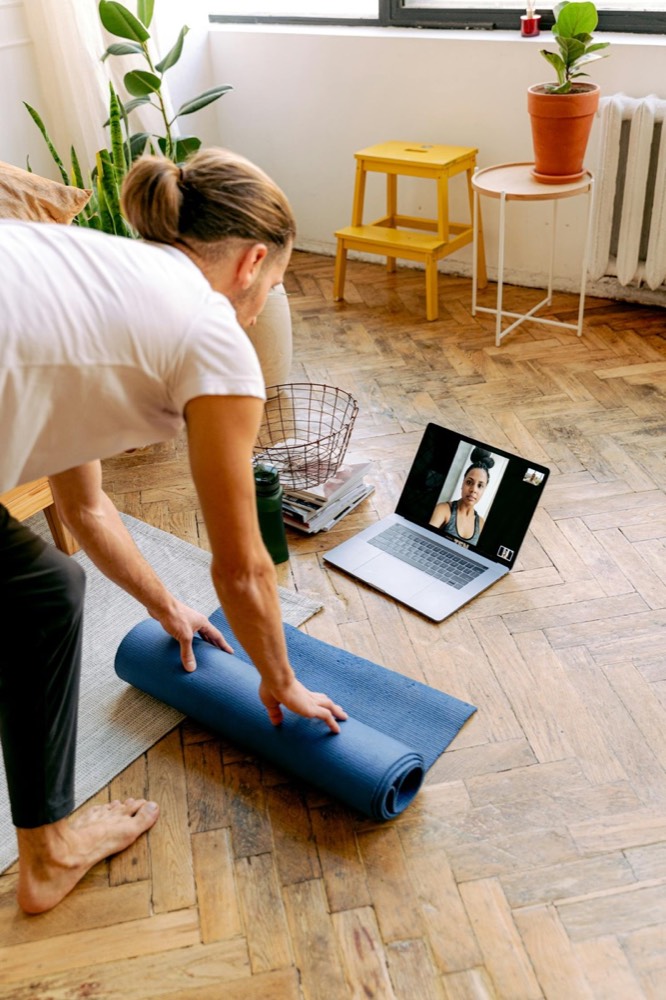

Five years ago, if you'd told me I'd be doing half my therapy sessions via video call, I'd have been sceptical. Therapy felt like something that had to happen in a room together—the physical presence, the shared space, the ritual of traveling to an appointment all seemed essential.
Then the pandemic forced everyone online, and something surprising happened: many clients thrived. Some even preferred it.
Now, in 2026, both options are widely available, and the question isn't "Is online therapy legitimate?" (it absolutely is) but rather "Which format suits me better?"
This article breaks down the genuine differences, the research evidence, and the practical considerations to help you make an informed choice.
The Evidence: Is Online Therapy Actually Effective?
Let's start with the crucial question: does online therapy work as well as in-person?
What the Research Shows
Multiple meta-analyses and systematic reviews have found:
For anxiety and depression:
- Online CBT is equally effective as in-person CBT
- Treatment gains are maintained at follow-up
- Client satisfaction rates are comparable
For PTSD:
- Trauma-focused therapy delivered online shows equivalent outcomes to face-to-face
- Some clients find it easier to discuss trauma from the safety of their own home
For relationship counselling:
- Couples therapy online is as effective as in-person, with similar dropout rates
Therapeutic alliance (the relationship with your therapist):
- Contrary to early concerns, strong therapeutic alliances form online
- The quality of the relationship matters more than the medium
What This Means
Online therapy isn't a poor substitute for "real" therapy—it's a legitimate, effective treatment modality in its own right. For many issues and many people, it works just as well.
That said, "equally effective on average" doesn't mean it's right for everyone. Some people genuinely benefit more from in-person sessions, and that's also valid.
Online Therapy: Benefits and Who It Suits
Advantages
1. Accessibility
Online therapy removes geographical barriers. You can:
- Access specialists who aren't in your local area
- Continue therapy when traveling or relocating
- Access therapy from rural or underserved areas
For people in London, this might mean seeing a therapist in North London when you live in South London without the 90-minute commute.
2. Convenience
- No travel time (therapy during lunch break becomes feasible)
- Less disruption to your day
- Easier to fit into busy schedules
- No need to find parking or navigate public transport
3. Comfort and Safety
For some people, being in their own space is deeply beneficial:
- Agoraphobia or social anxiety: Leaving the house might be the hardest part; online therapy removes this barrier
- Trauma survivors: Home can feel safer than an unfamiliar room
- Physical disabilities: No accessibility concerns about building access
- Comfort with emotions: Some people find it easier to cry or express difficult feelings in their own home
4. Reduced Stigma
Attending therapy involves walking into a building, potentially being seen, waiting in a reception area. For some, this feels exposing. Online therapy is private—you log in from home, and nobody knows.
5. Continuity During Disruption
Illness, bad weather, transport strikes, or caring responsibilities don't derail therapy. You can still have your session.
6. Cost Savings
- No travel costs
- No parking fees
- No need to take as much time off work
Some therapists also charge slightly less for online sessions (though many don't).
Who Online Therapy Suits Best
You might prefer online therapy if you:
- Have limited time or difficult logistics (parents, carers, shift workers)
- Struggle with agoraphobia, social anxiety, or mobility issues
- Travel frequently for work
- Feel more comfortable in your own environment
- Want access to a specific therapist who isn't local
- Need flexibility around scheduling
- Find it easier to open up without face-to-face intensity
Potential Drawbacks
1. Technical Issues
Internet glitches, frozen screens, and audio delays can disrupt flow. While usually minor, they can be frustrating when you're mid-emotional disclosure.
2. Reduced Non-Verbal Communication
Therapists rely on body language, posture, and subtle shifts in expression. On screen, especially if your camera setup isn't ideal, some of this is lost.
3. Environmental Distractions
- Housemates or family interrupting
- Noisy neighbors
- Lack of private space
- Difficulty mentally "switching off" from home mode
4. Boundary Blurring
The ritual of traveling to therapy creates a psychological boundary—you're entering therapeutic space. At home, this boundary is less clear. Some people struggle to transition into the session or find it harder to leave work/home worries behind.
5. Crisis Management
In a mental health crisis, it's harder for a therapist to intervene effectively online. If you're at risk of self-harm or suicide, in-person therapy might be more appropriate.
In-Person Therapy: Benefits and Who It Suits
Advantages
1. Full Presence and Embodiment
Being physically in the same room creates a different quality of presence. Therapists can notice:
- Posture and body tension
- Breathing patterns
- Subtle microexpressions
- Energy and vitality
This fuller picture can deepen the work, especially for body-focused or somatic therapy.
2. Clear Boundaries and Ritual
The act of traveling to therapy, entering a dedicated space, and then leaving creates:
- Psychological separation from daily life
- A clear start and end
- A sense of stepping into something intentional
Many people find this ritual helpful for engagement and processing.
3. Therapist's Undivided Attention
In-person, there are no emails pinging, no partner in the next room, no temptation to glance at your phone. Both you and the therapist are fully present in the shared space.
4. Easier to Do Certain Techniques
Some therapeutic approaches work better in person:
- Movement-based work (Gestalt empty chair, body awareness)
- Creative therapies (art therapy, sand tray)
- Walking therapy (literally walking and talking outdoors)
While some of this can adapt online, it's generally smoother face-to-face.
5. No Tech Barriers
For people who aren't comfortable with video calls, digital platforms, or troubleshooting technology, in-person removes this stressor.
Who In-Person Therapy Suits Best
You might prefer in-person therapy if you:
- Value physical presence and the vibe of being in the same space
- Struggle with focus or distraction at home
- Don't have a private space for online sessions
- Work best with clear boundaries between therapy and home
- Are doing trauma work or somatic/body-based therapy
- Find video calls awkward or draining
- Want to fully disconnect from screens
Potential Drawbacks
1. Time and Logistics
- Travel time (easily adds 30-60 minutes to your commitment)
- Cost (transport, parking)
- Weather, transport strikes, illness can disrupt sessions
2. Scheduling Constraints
In-person therapy requires you and your therapist to be in the same location at the same time. This limits flexibility.
3. Accessibility Issues
- Physical accessibility of buildings (stairs, lifts, disabled access)
- Difficulty leaving home due to anxiety, agoraphobia, or physical health
4. Geographical Limitation
You're limited to therapists within reasonable traveling distance, which might mean fewer specialist options.
Hybrid Approach: The Best of Both?
Many therapists (including myself) offer flexibility. You don't have to choose one format forever.
Common hybrid patterns:
- Mostly in-person with occasional online: If you're traveling, unwell, or need flexibility
- Mostly online with periodic in-person: Establishing the relationship face-to-face, then maintaining online
- Alternating: Some weeks in-person, some online depending on logistics
This flexibility can be ideal, giving you the benefits of both.
Practical Considerations for Online Therapy
If you're leaning toward online therapy, set yourself up for success:
Technology Requirements
Minimum setup:
- Reliable internet connection
- Device with camera and microphone (laptop, tablet, or phone)
- Quiet, private space
Ideal setup:
- Good quality webcam at eye level (not looking up your nose)
- External microphone or headphones for clearer audio
- Decent lighting (facing a window or lamp, not backlit)
- Comfortable seating where you can see the screen without straining
Privacy Considerations
- Can you be alone? If you have housemates/family, can you ensure privacy for 50 minutes?
- Headphones help: Stops others overhearing and helps you focus
- Background: Choose a neutral background (or use virtual background if needed)
Platform
Most therapists use:
- Zoom: Reliable, familiar, encrypted
- Doxy.me: HIPAA/GDPR compliant, designed for therapy
- Microsoft Teams: Common for NHS services
- WhatsApp or FaceTime: Less secure but convenient
Check what your therapist uses and whether you're comfortable with it.
Creating Therapeutic Space at Home
Before your session:
- Silence phone notifications
- Put a "Do Not Disturb" sign on your door if needed
- Have water and tissues nearby
- Minimise distractions (close unnecessary tabs, silence notifications)
After your session:
- Give yourself 5-10 minutes before jumping back into work/life
- Step outside briefly if possible (creates a boundary)
- Notice how you're feeling without immediately distracting yourself
Practical Considerations for In-Person Therapy
Location
- How far can you realistically travel? Be honest about what's sustainable weekly.
- Transport: Consider cost, reliability, and time.
- Accessibility: Check building access if you have mobility needs.
Scheduling
- Consistent slot: Many therapists work best with a regular weekly time. Can you commit to the same time each week?
- Rush hour considerations: If you're coming from work, factor in London traffic/tube delays.
What to Bring
- Payment (if paying per session)
- Water
- Nothing else required (though some people like to bring a journal)
Making Your Choice: Key Questions
Still unsure? Ask yourself:
Logistical:
- Do I have reliable internet and a private space at home?
- How much time can I realistically commit to therapy + travel?
- What's my budget including travel costs?
Personal preferences:
- Do I focus better in a dedicated space or in my own environment?
- Am I comfortable with video calls, or do they drain me?
- Do I have anxiety about leaving home or about being seen entering a therapy office?
Therapeutic needs:
- Am I doing trauma work that might benefit from in-person containment?
- Do I need body-based or creative therapies that work better in person?
- Am I looking for short-term focused work (either works) or long-term depth (slight preference for in-person for some people)?
Gut feeling: What feels right? Sometimes intuition is your best guide.
Can You Change Your Mind?
Absolutely. Many people start online and then switch to in-person (or vice versa) once they get a feel for what works.
It's worth discussing this openly with your therapist: "I'd like to try in-person to see if it feels different" or "I'm finding the commute exhausting—can we switch to online?"
Good therapists are flexible and will work with what serves you best.
The Bottom Line
There's no universally better option. Both online and in-person therapy are effective, evidence-based, and widely used.
Choose online if logistics, accessibility, or comfort at home are priorities.
Choose in-person if you value physical presence, need clear boundaries, or are doing body-based work.
Choose hybrid if you want flexibility.
The most important factor isn't the format—it's the quality of the therapeutic relationship and whether the therapist is skilled and genuinely attuned to you.
I offer both in-person therapy in Fulham (South West London) and online sessions via Zoom. Some clients do exclusively one format; others mix depending on the week. We can start with one and adjust as we go.
If you're unsure, we can discuss it in a free 15-minute consultation call and figure out what might work best for your specific situation.
The format matters less than you think. What matters is that you start.
Related Topics:
Ready to start your therapy journey?
Book a free 15-minute consultation to discuss how we can support you.
Book a consultation→