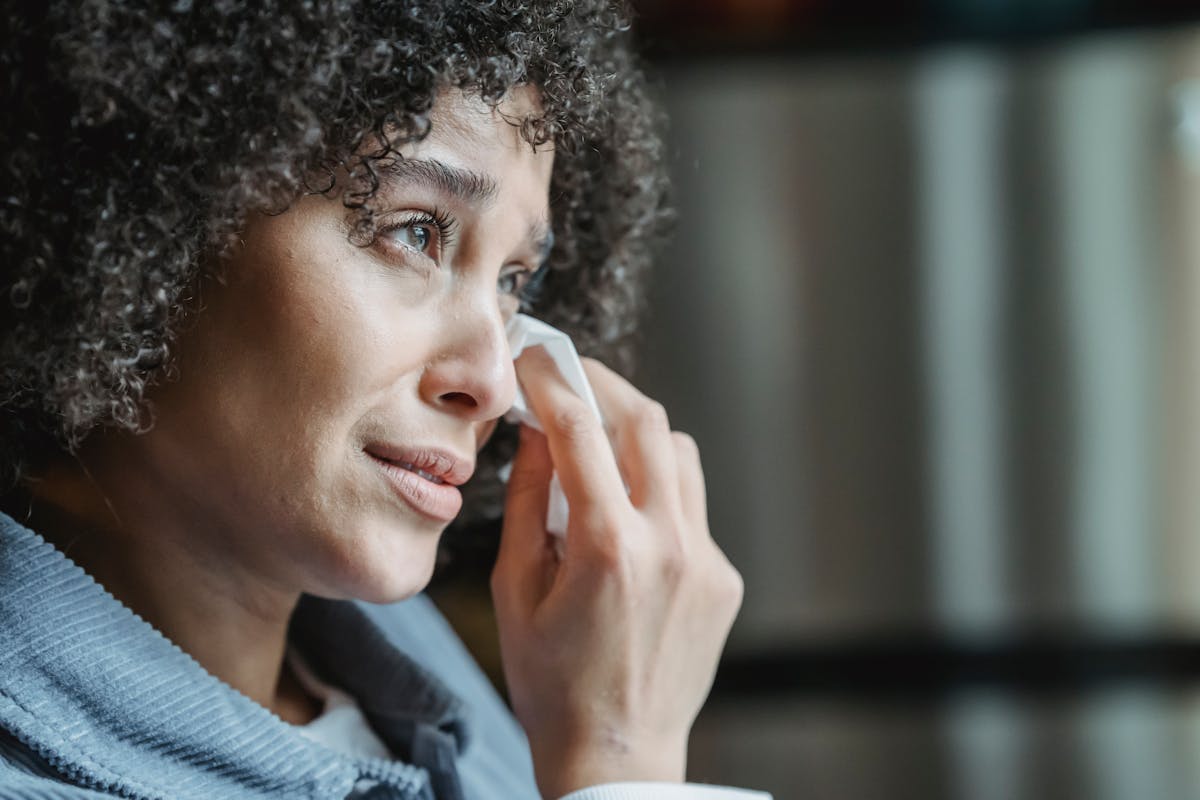

Your heart pounds so hard you can feel it in your throat. Your chest tightens. The room seems to shrink. You can't catch your breath. A wave of terror washes over you—you're dying, or losing your mind, or something catastrophic is about to happen.
Then, after what feels like an eternity but is usually ten to twenty minutes, it passes. You're left exhausted, shaken, and dreading the next one.
If this sounds familiar, you've experienced a panic attack. You're far from alone: roughly one in ten people will have a panic attack at some point, and about 2-3% of the UK population experience panic disorder, where attacks happen repeatedly.
This guide explains what's actually happening during a panic attack, why they occur, and—most importantly—how therapy can help you move from fear to understanding to freedom.
What Is a Panic Attack?
A panic attack is an intense surge of fear or discomfort that reaches a peak within minutes. The NHS defines it as "a rush of intense psychological and physical symptoms" that can feel overwhelming and frightening.
Crucially, panic attacks are not dangerous, even though they feel catastrophic. Your body is doing exactly what it's designed to do when it perceives threat—the problem is that the alarm is firing when there's no actual danger.
Common Symptoms
Physical symptoms often include:
- Racing or pounding heartbeat
- Chest pain or tightness
- Shortness of breath or feeling smothered
- Dizziness or lightheadedness
- Trembling or shaking
- Sweating
- Nausea or stomach upset
- Tingling or numbness in hands or feet
- Hot flushes or chills
- Feeling detached from your body
Psychological symptoms may include:
- Overwhelming fear or dread
- Feeling like you're dying
- Fear of losing control or "going crazy"
- Sense of unreality (derealisation)
- Feeling disconnected from yourself (depersonalisation)
Not everyone experiences all these symptoms, and the specific pattern varies from person to person. Some people have more physical symptoms; others experience more psychological ones.
The Biology of Panic: What's Actually Happening
Understanding what's happening in your body can significantly reduce the terror of panic attacks. There's a reason it feels so awful—and that reason is your survival system doing its job a bit too enthusiastically.
The Fight-or-Flight Response
When your brain perceives danger, it triggers the sympathetic nervous system. Stress hormones—primarily adrenaline and cortisol—flood your bloodstream. This cascade creates the physical sensations of panic:
Racing heart: Your body is preparing to pump blood to muscles in case you need to run or fight.
Rapid breathing: You're taking in more oxygen to fuel potential escape.
Muscle tension: Your body is primed for action.
Sweating: This cools you down for exertion and makes your skin slippery (harder for predators to grab).
Digestive changes: Blood diverts away from digestion toward muscles. This can cause nausea or butterflies.
Heightened senses: Everything feels more intense because your brain is scanning for threats.
This response evolved to protect us from genuine physical dangers—lions, falling rocks, hostile tribes. The problem is that the same system can activate in response to psychological threats, social situations, or even internal sensations that get misinterpreted as dangerous.
Why the Symptoms Are So Alarming
The cruel irony of panic is that the symptoms themselves often become the threat. You notice your heart racing, interpret it as dangerous ("I'm having a heart attack"), which triggers more fear, which increases adrenaline, which makes your heart race more.
This feedback loop explains why panic attacks escalate so rapidly and feel so out of control. You're not just scared of the original trigger—you're scared of the fear itself.
Panic Attacks vs Panic Disorder
A single panic attack, whilst distressing, doesn't mean you have panic disorder. Many people have one or two panic attacks in their lifetime, often during periods of high stress, and never have another.
Panic disorder is diagnosed when:
- You have recurrent, unexpected panic attacks
- At least one attack is followed by a month or more of either:
- Persistent worry about having more attacks
- Significant behaviour changes to avoid attacks (avoiding certain places, activities, or situations)
The key feature of panic disorder isn't just the attacks themselves—it's the fear of the attacks that starts to constrict your life.
Agoraphobia: When Panic Limits Your World
Some people with panic disorder develop agoraphobia—fear of situations where escape might be difficult or help unavailable if panic strikes. This isn't simply "fear of open spaces" as often portrayed.
Agoraphobia might involve avoiding:
- Public transport
- Crowded places
- Being far from home
- Queues
- Enclosed spaces
- Being alone outside the home
In severe cases, people become housebound. The irony is that avoidance, whilst providing short-term relief, typically makes panic worse over time.
What Causes Panic Attacks?
There's rarely a single cause. Panic attacks usually result from a combination of factors.
Biological Factors
- Genetic predisposition: Panic disorder runs in families. If a close relative has it, you're more likely to develop it.
- Nervous system sensitivity: Some people's fight-or-flight systems are more easily triggered.
- Physical health conditions: Thyroid problems, cardiac issues, and respiratory conditions can contribute.
- Substances: Caffeine, alcohol (especially withdrawal), and certain medications can trigger or worsen panic.
Psychological Factors
- Anxiety sensitivity: The tendency to interpret body sensations as dangerous. If you believe a racing heart means something awful, you're more likely to panic about it.
- Catastrophic thinking: The habit of jumping to worst-case interpretations.
- Perfectionism and control: Needing things to be certain and predictable can make unexpected sensations more threatening.
- Difficulty tolerating discomfort: Avoiding uncomfortable feelings rather than learning to sit with them.
Life Circumstances
- Major stress: Job loss, relationship breakdown, financial pressure.
- Life transitions: Even positive changes can trigger anxiety.
- Trauma: Past traumatic experiences can sensitise the nervous system.
- Accumulated stress: Sometimes the "last straw" seems minor, but it's sitting on top of months of accumulated pressure.
Often, panic attacks begin during or after a stressful period. Your nervous system became sensitised during the stress, and now it's overreacting to things that wouldn't previously have bothered you.
How Therapy Helps with Panic
Therapy is one of the most effective treatments for panic attacks and panic disorder. The NICE guidelines recommend psychological therapy as a first-line treatment, often alongside or instead of medication.
Understanding What's Happening
The first step is psychoeducation—understanding what panic actually is. This alone can be transformative. When you know that the symptoms, however awful, aren't dangerous, the fear starts to lose its grip.
Many clients report significant relief simply from learning:
- "My heart racing doesn't mean I'm having a heart attack"
- "Feeling dizzy doesn't mean I'm about to faint"
- "These symptoms are my body protecting me, not attacking me"
- "Panic attacks always end—they cannot go on forever"
Challenging Catastrophic Thoughts
Panic feeds on catastrophic interpretations. Therapy helps you identify and question these thoughts:
| Panic thought | More realistic perspective |
|---|---|
| "I'm having a heart attack" | "This is my fight-or-flight response. My heart is healthy." |
| "I'm going to faint" | "People rarely faint during panic. Blood pressure rises, not falls." |
| "I'm losing my mind" | "This is anxiety, not psychosis. It will pass." |
| "Everyone can see I'm panicking" | "Most panic symptoms are internal. Others rarely notice." |
| "This will never end" | "Panic always passes, usually within 20 minutes." |
This isn't about positive thinking or denial—it's about accurate thinking. When your thoughts are more realistic, your body responds differently.
Breaking Avoidance Patterns
Avoidance is the enemy of recovery. Each time you escape a situation or avoid it entirely, you reinforce the belief that it was dangerous and that you couldn't cope.
Therapy involves gradual, supported exposure to feared situations. This isn't about flooding you with terror—it's about gentle, incremental steps that help you learn you can handle discomfort.
Example hierarchy for someone avoiding public transport:
- Look at pictures of the Tube
- Watch videos of Tube journeys
- Stand outside a Tube station
- Enter a station without boarding
- Take one stop at a quiet time with support
- Take one stop alone
- Gradually increase distances and busy times
The key insight: anxiety decreases naturally if you stay in a situation long enough without escaping. This process, called habituation, teaches your brain that the feared situation is actually safe.
Learning to Ride the Wave
Instead of fighting panic or fleeing from it, therapy teaches you to ride it out. This sounds counterintuitive—surely you should try to stop panic?
Actually, resistance often makes panic worse. Thoughts like "make it stop" or "I can't handle this" increase distress. Acceptance-based approaches teach a different response:
- Notice the symptoms without judgment
- Remind yourself they're uncomfortable but not dangerous
- Allow them to peak and pass naturally
- Trust that your body will calm down
This doesn't mean enjoying panic or wanting it. It means accepting its temporary presence without adding extra fear on top.
Body-Based Approaches
Since panic is fundamentally a body experience, therapy often includes physical techniques:
Breathing retraining: During panic, people often hyperventilate, which worsens symptoms. Learning slower, diaphragmatic breathing can help—though the goal isn't to "breathe away" panic, but to avoid making it worse through overbreathing.
Grounding techniques: These bring you back to the present moment. The "5-4-3-2-1" technique (naming 5 things you can see, 4 you can hear, etc.) can interrupt the spiral into panic.
Body awareness: Learning to notice early warning signs gives you more time to respond skilfully.
Exploring Underlying Factors
Sometimes panic attacks are the surface symptom of deeper issues:
- Unprocessed trauma
- Long-held anxiety about control or safety
- Difficulty expressing emotions (they come out as physical symptoms instead)
- Life situations that feel trapped or overwhelming
Depending on your situation, therapy might explore these underlying factors alongside symptom management.
What Type of Therapy Works for Panic?
Several approaches have evidence for treating panic:
Cognitive Behavioural Therapy (CBT)
The most researched approach for panic. CBT focuses on identifying and changing unhelpful thought patterns and gradually facing feared situations. NICE recommends it as a first-line treatment.
Panic-Focused Psychodynamic Psychotherapy
Explores the emotional conflicts and relationship patterns underlying panic. May suit people whose panic seems connected to relationship difficulties or unresolved past issues.
Acceptance and Commitment Therapy (ACT)
Emphasises accepting difficult feelings rather than fighting them, whilst committing to valued action. Particularly helpful if traditional CBT's thought-challenging feels unhelpful.
Person-Centred and Humanistic Approaches
Focus on creating safety and self-acceptance within the therapeutic relationship. Can be particularly valuable when panic connects to shame or self-criticism.
Integrative Approaches
Many therapists draw on multiple approaches, tailoring treatment to individual needs. This flexibility can be helpful since people with panic aren't all the same—what works for one person may not suit another.
What to Expect in Therapy for Panic
Initial Sessions
Your therapist will want to understand:
- When panic attacks started
- What triggers them (if anything obvious)
- What you experience during attacks
- How panic has affected your life
- What you've tried already
- Your goals for therapy
This isn't an interrogation—it's building a shared understanding so you can work together effectively.
During Treatment
Depending on the approach:
- You'll learn about panic and why it happens
- You'll identify your specific patterns and triggers
- You'll learn techniques for managing symptoms
- You'll gradually face feared situations (at your own pace)
- You'll explore any underlying factors
- You'll develop a plan for maintaining progress
How Long Does It Take?
Research suggests that many people see significant improvement within 8-16 sessions of focused treatment. Some people need longer, particularly if panic is complicated by other issues like trauma or depression.
Improvement doesn't mean never having anxious moments again. It means panic attacks becoming less frequent, less intense, and no longer controlling your life.
Frequently Asked Questions
Can panic attacks kill you?
No. Panic attacks feel terrifying but aren't medically dangerous. The symptoms are your body's protective response, not signs of a heart attack or other emergency.
Should I go to A&E during a panic attack?
If you've never had a panic attack before and don't know what's happening, it's reasonable to seek medical assessment to rule out physical causes. Once you know it's panic, A&E generally can't help much—the attack will pass on its own.
Will I always have panic attacks?
Many people recover completely. Others learn to manage panic so effectively that attacks become rare and minor. Very few people continue having severe, frequent attacks if they engage with appropriate treatment.
Can medication help?
Yes, for some people. SSRIs (antidepressants) can reduce panic frequency and severity. Benzodiazepines provide quick relief but aren't recommended long-term due to dependence risk. Medication works best alongside therapy rather than alone.
What should I do during a panic attack right now?
- Remind yourself this is panic, not danger
- Focus on slow, steady breathing (not forcing it, just steadying)
- Ground yourself by noticing your surroundings
- Allow the panic to pass without fighting it
- Avoid escaping if you can—stay and ride it out
Can lifestyle changes help?
Reducing caffeine and alcohol, regular exercise, adequate sleep, and stress management all support recovery. They're not substitutes for therapy but can create better conditions for healing.
Moving Forward
Panic attacks can feel like they've stolen your freedom—the freedom to go where you want, do what you want, live without fear. But panic is treatable. The vast majority of people who engage with appropriate help see significant improvement.
The path forward involves understanding what panic actually is, gradually facing what you've been avoiding, and building confidence that you can handle discomfort. It's not always easy, but it's entirely possible.
If panic attacks are affecting your life, you don't have to white-knuckle through alone. Professional support can make the journey faster and more sustainable.
I work with people experiencing panic and anxiety in my London practice and online. If you'd like to explore whether therapy might help, I offer a free initial phone call to discuss your situation.
Recovery from panic isn't about eliminating all anxiety—it's about reclaiming your life from fear's grip. That's an achievable goal.
Related Topics:
Ready to start your therapy journey?
Book a free 15-minute consultation to discuss how we can support you.
Book a consultation→