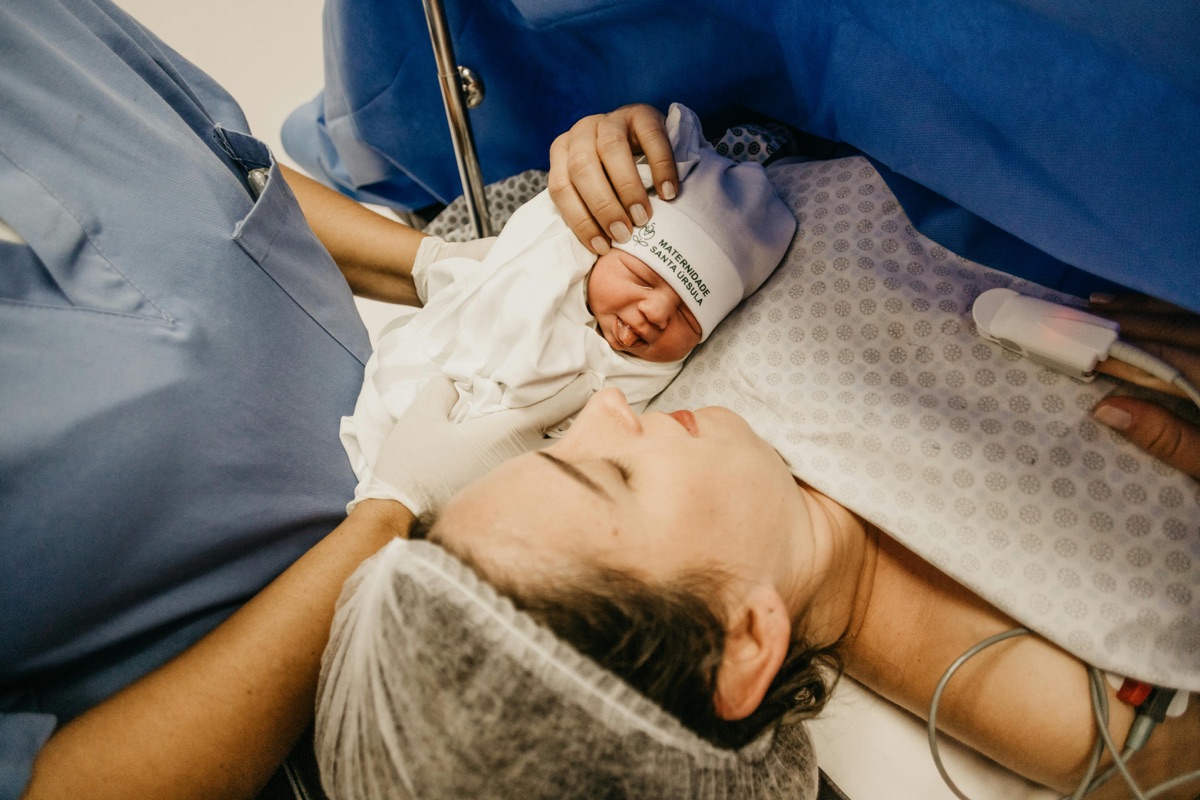

"Everyone says this is supposed to be the happiest time of my life."
Priya sat in my therapy room, her three-month-old daughter asleep in the pram beside her. She looked exhausted—not just physically tired, but depleted in a way that suggested something deeper than normal new parent fatigue.
"I love her," she continued quietly. "But I don't feel... anything like what I'm supposed to feel. I'm terrified all the time that something will happen to her. I can't sleep even when she's sleeping because I'm checking she's still breathing. I keep having intrusive thoughts about her getting hurt. And everyone keeps saying 'Enjoy every moment!' as if I'm not absolutely drowning."
She paused, then added the part that had finally brought her to seek help: "Sometimes I think my family would be better off without me."
This is postpartum depression—and it looks nothing like the joyful motherhood portrayed in baby adverts and social media. It affects one in eight women after giving birth. It's common, treatable, and absolutely nothing to be ashamed of.
Yet many people suffer in silence, believing that admitting difficulty means they're failing as a mother.
TL;DR: Key Takeaways
- Postpartum depression (PND) affects 1 in 8 women; postpartum anxiety affects even more
- Baby blues (common, brief mood changes) differ from PND (longer-lasting, more severe)
- Symptoms include persistent low mood, anxiety, difficulty bonding, intrusive thoughts, and exhaustion beyond normal tiredness
- Risk factors include history of mental health problems, difficult birth, lack of support, and major life stressors
- PND is highly treatable through therapy, support, and sometimes medication
- Partners can also experience postnatal depression
- Seeking help early improves outcomes for both parent and baby
Understanding the Perinatal Period
"Perinatal" refers to the time during pregnancy and the first year after birth. "Postpartum" or "postnatal" refers specifically to after birth. Mental health problems can emerge at any point during this period.
Baby Blues vs Postpartum Depression
It's crucial to distinguish normal adjustment from clinical depression:
Baby Blues (affects 50-80% of new mothers):
- Begins 2-3 days after birth
- Lasts days to a couple of weeks maximum
- Symptoms include mood swings, crying, feeling overwhelmed, anxiety
- Improves without treatment
- Caused by dramatic hormone shifts plus normal adjustment
Postpartum Depression:
- Can begin any time in first year (often 4-6 weeks postpartum)
- Lasts weeks to months without treatment
- Persistent low mood, loss of interest, profound exhaustion, hopelessness
- Does not improve on its own—requires support and often treatment
- Caused by combination of hormones, biological vulnerability, psychological and social factors
Types of Postpartum Mental Health Problems
Postpartum Depression (PND)
The most recognised perinatal mental health problem.
Symptoms:
- Persistent sadness, emptiness, or hopelessness
- Loss of interest or pleasure in activities
- Difficulty bonding with baby or feeling detached
- Exhaustion beyond normal new parent tiredness
- Changes in appetite (eating too much or too little)
- Sleep problems beyond baby's sleep disruption (can't sleep even when baby sleeps)
- Difficulty concentrating or making decisions
- Feelings of worthlessness or guilt ("I'm a terrible mother")
- Thoughts of harming yourself or the baby
- Physical symptoms (headaches, stomach problems with no clear cause)
Important: Thoughts of harming the baby don't mean you'll act on them, but they signal you need immediate support.
Postpartum Anxiety
Equally common but less discussed than depression—possibly more common than PND.
Symptoms:
- Excessive worry about baby's health and safety
- Constant checking (breathing, temperature, feeding)
- Intrusive thoughts about harm coming to baby
- Panic attacks
- Physical tension and restlessness
- Difficulty sleeping due to racing thoughts
- Avoidance of situations perceived as risky
- Hypervigilance and inability to relax
Postpartum anxiety often co-occurs with depression but can also appear alone.
Postpartum OCD
Intrusive, unwanted thoughts about harming the baby—causing extreme distress precisely because they contradict the person's values.
Symptoms:
- Disturbing thoughts or images (baby being harmed, sexually inappropriate thoughts)
- Intense fear of being left alone with baby
- Excessive checking and cleaning
- Avoidance of situations that trigger intrusive thoughts
- Mental rituals to neutralize "bad" thoughts
- Fear you're a danger to your baby
Critical point: People with postpartum OCD are not dangerous to their babies. The thoughts cause distress precisely because they're ego-dystonic (inconsistent with who you are).
Postpartum PTSD
Birth trauma can cause PTSD in parents who experienced or witnessed birth as traumatic.
Symptoms:
- Flashbacks to the birth experience
- Nightmares about the birth
- Avoidance of reminders (medical settings, conversations about birth)
- Difficulty bonding with baby (who may be a reminder of trauma)
- Hypervigilance and panic symptoms
- Feeling detached or numb
Causes include:
- Emergency interventions
- Feeling out of control during birth
- Perceived threat to life of mother or baby
- Feeling unsupported or dismissed during birth
- Previous trauma triggered by birth experience
Postpartum Psychosis
Rare (1-2 per 1000 births) but serious psychiatric emergency requiring immediate medical attention.
Symptoms:
- Seeing or hearing things that aren't there
- Paranoid beliefs
- Severe mood swings
- Confusion and disorientation
- Strange or unusual behaviour
- Difficulty sleeping even when exhausted
- Thoughts of harming baby or self
Risk factors: Previous bipolar disorder or postpartum psychosis
Action: Postpartum psychosis is a medical emergency. Contact crisis services immediately.
Paternal Postpartum Depression
Partners (particularly fathers) also experience postnatal depression—about 10% of new fathers.
Contributing factors:
- Sleep deprivation and stress
- Relationship changes
- Financial pressure
- Feeling excluded from mother-baby bond
- Loss of previous lifestyle
- Lack of recognition (focus is entirely on mother and baby)
Partners' mental health matters for family wellbeing and is often overlooked.
Why Postpartum Mental Health Problems Happen
There's no single cause—multiple factors contribute:
Biological Factors
Hormone changes: Dramatic drop in oestrogen and progesterone after birth affects mood-regulating neurotransmitters
Thyroid changes: Postpartum thyroiditis can cause mood symptoms
Sleep deprivation: Severe sleep disruption impairs emotional regulation and mental health
Physical recovery: Birth is physically demanding; recovery affects wellbeing
Psychological Factors
Adjustment to motherhood: Identity shift from autonomous adult to 24/7 caregiver
Expectations vs reality: Gap between imagined motherhood and actual experience
Loss of control: Loss of bodily autonomy, freedom, previous identity
Perfectionism: Unrealistic expectations about "good mothering"
Previous mental health history: Higher risk if experienced depression or anxiety before
Social Factors
Lack of support: Isolation, lack of practical and emotional support
Relationship strain: Adjustment to parenthood creates stress in partnerships
Financial stress: Reduced income, increased expenses
Difficult birth experience: Birth trauma or complications
Baby health problems: Prematurity, illness, or feeding difficulties increase stress
Major life stressors: Moving house, bereavement, job loss around the time of birth
Risk Factors
Some factors increase vulnerability:
- Previous depression or anxiety
- Previous postpartum mental health problem
- Family history of mental illness
- Difficult pregnancy or birth
- Premature or sick baby
- Lack of social support
- Relationship problems
- Financial difficulties
- Young maternal age
- Unplanned pregnancy
- History of abuse or trauma
Having risk factors doesn't guarantee problems—but awareness allows early intervention.
The Impact if Untreated
PND doesn't just affect the mother—it affects the whole family:
For the mother:
- Prolonged suffering
- Difficulty caring for baby
- Impaired bonding
- Relationship breakdown
- Risk of chronic depression
- In severe cases, risk of suicide
For the baby:
- Mother-infant bond affects infant development
- Depression can affect responsiveness to baby's cues
- Longer-term child outcomes can be affected (though treatment reverses most impacts)
For relationships:
- Partners feel helpless or excluded
- Intimacy and connection suffer
- Risk of relationship breakdown increases
This isn't to create guilt—it's to emphasise that seeking help isn't selfish, it's essential.
Treatment and Recovery
Postpartum mental health problems are highly treatable:
Talking Therapies
Cognitive Behavioural Therapy (CBT): Addresses unhelpful thought patterns and behaviours
Interpersonal Therapy (IPT): Focuses on relationship changes and transitions
Counselling: Provides space to process feelings, reduces isolation
Many areas offer specialised perinatal mental health services. NHS also provides access through GP referral.
Medication
Antidepressants can be prescribed during breastfeeding—many are safe. Your GP or psychiatrist can discuss options.
Decision to take medication during breastfeeding balances:
- Severity of symptoms
- Medication safety data
- Impact of untreated illness on mother and baby
For many, combination of therapy and medication is most effective.
Practical Support
Sometimes the most helpful interventions are practical:
- Sleep (partner takes night feeds, even if breastfeeding—express milk or one formula feed)
- Meals prepared by others
- Household help
- Childcare for older children
- Someone to talk to who isn't judging
Support isn't weakness—it's necessary.
Peer Support
Connecting with other new parents experiencing difficulties can reduce isolation:
- Postnatal support groups
- Online forums (Netmums, Mumsnet)
- PANDAS Foundation (PND awareness and support)
- Local children's centres often run groups
Hearing "me too" from others who understand is powerful.
Self-Care Strategies
When energy is limited, small things matter:
- Getting outside daily (even brief walks)
- Accepting offers of help
- Lowering standards (house doesn't need to be perfect)
- Talking to trusted others
- Limiting comparison on social media
- Remembering: "good enough" parenting is good enough
When to Seek Help
Seek professional support if:
- Symptoms persist beyond two weeks
- You're struggling to care for baby
- You're having thoughts of harming yourself or baby
- You feel hopeless about the future
- You're not coping with daily tasks
- Physical symptoms with no clear medical cause
- Intrusive, disturbing thoughts
- Inability to sleep even when you could
- Anxiety overwhelming you
Where to get help:
GP: First port of call—can refer to specialist services, prescribe medication
Health Visitor: Screens for PND, offers support, can refer onward
Perinatal Mental Health Services: Specialist NHS teams (not available everywhere but expanding)
Crisis services: If you're in immediate danger or crisis
- Samaritans: 116 123
- Crisis team (via GP or A&E)
- Maternal Mental Health Alliance: maternalmentalhealthalliance.org
PANDAS: Helpline and support for pre and postnatal mental illness
- Helpline: 0808 1961 776
- Email: info@pandasfoundation.org.uk
Supporting Someone with Postpartum Mental Health Problems
If your partner, family member, or friend is struggling:
Do:
- Take it seriously—it's not "just hormones"
- Listen without judging or trying to fix immediately
- Offer practical help (meals, cleaning, holding baby while they sleep)
- Encourage professional support
- Reassure them they're a good mother
- Be patient—recovery takes time
- Look after your own mental health
Don't:
- Dismiss concerns ("Everyone finds it hard", "You'll be fine")
- Say "Just enjoy this time"—that increases guilt
- Tell them to "snap out of it"
- Leave them alone all day without support
- Make them feel they're failing
Your support matters enormously.
Frequently Asked Questions
Does postpartum depression mean I don't love my baby?
No. Love and depression are separate. You can love your baby deeply while experiencing depression. Difficulty feeling connected is a symptom of depression, not evidence of your love.
Can I breastfeed if I'm taking antidepressants?
Many antidepressants are compatible with breastfeeding. Discuss with your GP or psychiatrist—they can choose medications with good safety profiles. Sometimes breastfeeding isn't possible or preferable—fed is best, and your mental health matters.
Will this pass on its own?
Baby blues usually pass within two weeks. Clinical postpartum depression typically doesn't improve without support and often requires treatment. Waiting and suffering isn't necessary—help is available.
What if I have thoughts about harming my baby?
Intrusive thoughts about harm are common and don't mean you'll act on them. However, they signal you need support. If you're having thoughts of intentionally harming your baby, contact crisis services immediately. If they're intrusive, unwanted thoughts causing distress, seek support from GP or mental health services for postpartum OCD.
Can this happen with second or subsequent babies?
Yes. Previous postpartum mental health problems increase risk with subsequent births, but it's not inevitable. Preventative support, monitoring, and early intervention can help. Some people have problems with one birth but not others.
How long does recovery take?
This varies. With treatment, many people feel significantly better within weeks to months. Some experience longer recovery. Early intervention generally improves outcomes.
Moving Forward
Priya, from the beginning, didn't recover instantly. Treatment took time—therapy, antidepressants, practical support from her partner and mother, gradually rebuilding connection with her daughter.
But she did recover. The darkness lifted. The intrusive thoughts lost their power. She started enjoying moments with her baby rather than just surviving them.
"I wish I'd asked for help sooner," she reflected months later. "I thought admitting I was struggling meant I was failing as a mum. Actually, asking for help was one of the most important things I did for my daughter."
If you're struggling in the postpartum period, please know:
- You're not alone
- You're not failing
- It's not your fault
- Help is available
- Recovery is possible
- You deserve support
Motherhood is challenging even in the best circumstances. When you're experiencing depression, anxiety, or trauma, it can feel impossible. But with support, treatment, and time, most people recover fully and go on to enjoy parenting and life.
Ready to Seek Support?
Our integrative counselling approach helps new parents navigate the emotional challenges of the postpartum period, address anxiety and depression, process birth experiences, and adjust to the profound identity shift of becoming a parent.
Sessions are available in person in Fulham (SW6) or online across the UK. Book a free 15-minute consultation to discuss how therapy might support your postpartum mental health.
For specialist perinatal mental health support:
- PANDAS Foundation: 0808 1961 776
- Maternal Mental Health Alliance: maternalmentalhealthalliance.org
- Your GP or Health Visitor: First point of contact for NHS support
If you're having thoughts of harming yourself or your baby, please contact crisis services immediately: Samaritans 116 123 (24/7) or attend A&E.
Related Topics:
Ready to start your therapy journey?
Book a free 15-minute consultation to discuss how we can support you.
Book a consultation→