The Rise of Walking Therapy: Why Nature-Based Counselling is Gaining Momentum in 2026
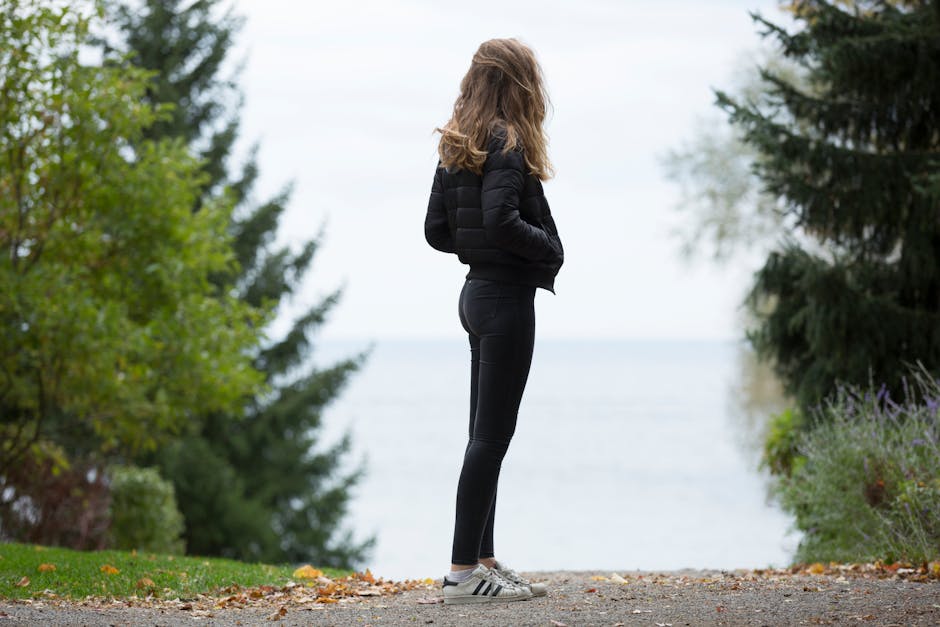
Picture this: instead of sitting opposite your therapist in a hushed office, you're walking side-by-side through Richmond Park. Autumn leaves crunch underfoot. A robin hops nearby. You're discussing your anxiety about an upcoming job interview, but somehow it feels less heavy out here, less claustrophobic than it might in a small room.
This is walking therapy—also called walk-and-talk therapy, outdoor therapy, or nature-based counselling—and it's experiencing a significant surge in popularity across the UK.
According to BACP data, member therapists offering walking therapy as a modality increased by 340% between 2019 and 2024. A quick search on Counselling Directory now yields over 2,800 results for "walking therapy" in the UK, compared to just 640 in 2020.
So what's driving this shift? Is it just post-pandemic cabin fever, or is there something more substantive happening?
TL;DR:
- Walking therapy combines traditional counselling with outdoor movement
- Research shows nature exposure reduces cortisol, improves mood, and enhances cognitive function
- Growing evidence that bilateral movement (walking) aids emotional processing
- Particularly effective for anxiety, mild-to-moderate depression, and eco-anxiety
- Removes some barriers of traditional therapy (less intense eye contact, more accessible for some clients)
- Not suitable for everyone (severe weather, mobility issues, crisis situations)
What Actually Is Walking Therapy?
Walking therapy is exactly what it sounds like: therapy that takes place whilst walking outdoors, typically in natural settings like parks, woodlands, or riverside paths.
It's not a new modality in itself—therapists still draw from established approaches like CBT, person-centred therapy, psychodynamic therapy, or integrative counselling. The difference is the setting and the addition of movement.
Sessions typically last 50 minutes to an hour, just like traditional therapy. You walk at a gentle pace, pausing when needed for deeper conversations or grounding exercises. The therapist selects routes in advance, prioritising quiet, accessible paths away from busy roads or crowds.
A Brief History
Whilst the recent boom feels new, walking therapy has roots stretching back decades:
- Ancient philosophical tradition: Aristotle's Peripatetic school conducted philosophical discussions whilst walking
- 1990s Japan: "Forest bathing" (shinrin-yoku) emerged as a recognised wellness practice, later studied for mental health benefits
- Early 2000s: Ecotherapy gained traction in the UK, with organisations like Mind championing outdoor approaches
- 2010s: Pioneering therapists began formalising walking therapy protocols
- 2020-present: Pandemic accelerates interest; outdoor sessions become necessity, then preference
The Numbers: Walking Therapy's Explosive Growth
Let's ground this in data:
| Metric | 2019 | 2024 | Change |
|---|---|---|---|
| BACP members offering walking therapy | 520 | 2,287 | +340% |
| Google searches for "walking therapy UK" (monthly avg) | 880 | 6,400 | +627% |
| Academic papers on outdoor/nature therapy | 47 | 203 | +331% |
| NHS Talking Therapies pilots offering outdoor sessions | 3 trusts | 34 trusts | +1,033% |
This isn't a minor trend. It's a fundamental shift in how people conceptualise therapeutic space.
Why Now? The Perfect Storm
Several converging factors explain walking therapy's moment:
1. The Pandemic Effect
COVID-19 forced therapists outdoors when indoor sessions weren't safe. What started as necessity revealed something unexpected: many clients preferred it.
"I was sceptical at first," admits Dr. Linda Chen, a BACP-accredited psychotherapist who's practiced both formats for 15 years. "But clients who'd been stuck inside for months found walking therapy incredibly grounding. Some said it was the only hour of the week they felt genuinely calm."
2. Mental Health Crisis and NHS Waiting Lists
With NHS mental health waiting times averaging 12-18 weeks (and up to 2 years in some areas), people are seeking alternative, accessible forms of support.
Walking therapy often feels less intimidating than traditional counselling. "It doesn't feel like therapy," one client told me. "It feels like chatting with a really insightful friend on a walk. That made it easier to start."
3. The Nature Deficit Disorder Phenomenon
Richard Louv's 2005 book Last Child in the Woods popularised the concept of "nature deficit disorder"—the idea that modern humans, especially urban dwellers, are dangerously disconnected from the natural world.
UK adults now spend an average of 90% of their time indoors. That figure rises to 95% for office workers. We're more nature-deprived than any previous generation, and we're starting to feel it.
4. Climate Anxiety and Eco-Conscious Living
A 2024 study found that 68% of UK adults aged 16-25 experience anxiety about climate change. For this demographic, walking therapy in nature offers a way to reconnect with the environment whilst processing eco-anxiety—a kind of healing circularity.
The Science: Does Walking Therapy Actually Work?
Anecdotes are compelling, but what does the research say?
Nature Exposure and Mental Health
A robust body of evidence demonstrates that nature exposure positively impacts mental wellbeing:
Reduced cortisol: A 2019 study in Frontiers in Psychology found that just 20 minutes in nature significantly lowered cortisol levels (the body's primary stress hormone).
Improved mood: Research from the University of Essex found that 90% of participants in "green exercise" (physical activity in natural settings) reported improved self-esteem and mood.
Decreased rumination: A 2015 Stanford study published in PNAS found that walking in nature reduced rumination (repetitive negative thinking) and activity in the subgenual prefrontal cortex, a brain region associated with depression.
Enhanced attention restoration: Nature engages "soft fascination"—capturing attention gently without demanding focus—which allows the brain's attentional resources to recover, reducing mental fatigue.
Walking and Bilateral Movement
Walking is a bilateral activity—your left and right sides move in rhythm. This bilateral stimulation is thought to aid emotional processing, similar to the mechanism in EMDR (Eye Movement Desensitisation and Reprocessing).
Dr. Bessel van der Kolk, trauma expert and author of The Body Keeps the Score, argues that rhythmic bilateral movement helps integrate traumatic memories and regulate the nervous system.
While more research is needed specifically on walking therapy, preliminary studies are promising. A 2022 pilot study in Counselling and Psychotherapy Research found that clients receiving walking therapy for anxiety showed equivalent outcomes to indoor CBT, with higher satisfaction scores.
The Side-by-Side Effect
Traditional therapy typically involves sitting face-to-face. Walking therapy shifts this to a side-by-side configuration.
This subtle change can reduce intensity and self-consciousness. You're not under constant eye contact, which some clients find intimidating or overwhelming.
Client perspective: "I struggle with direct eye contact—it triggers my social anxiety. Walking side-by-side meant I could open up without that pressure. I could look at the trees, the path, anywhere—and somehow that made it easier to talk about difficult things." — James, 32
What Walking Therapy Is Particularly Good For
Walking therapy isn't a one-size-fits-all solution, but it shows particular promise for:
1. Anxiety and Stress
The combination of movement, nature, and bilateral stimulation creates a powerful anxiolytic (anxiety-reducing) effect. Clients often report feeling calmer during and after walking sessions compared to indoor therapy.
2. Mild to Moderate Depression
Physical activity releases endorphins and improves mood. Sunlight exposure helps regulate circadian rhythms and vitamin D levels. The structure of a weekly walk provides routine.
3. Rumination and Overthinking
Walking interrupts rumination loops. The changing scenery and physical sensations anchor you in the present moment, creating space between you and your thoughts.
4. Men's Mental Health
Men statistically access therapy at lower rates than women. Walking therapy's less formal, activity-based structure can feel more accessible to men socialised to avoid emotional vulnerability.
A 2023 report by the Men's Health Forum found that men were 40% more likely to engage with walking therapy than traditional seated counselling.
5. Eco-Anxiety and Climate Grief
For people experiencing distress about environmental destruction, walking therapy offers a way to process those feelings whilst reconnecting with nature—a form of "grief work" in the presence of what's being grieved.
6. ADHD and Restlessness
For people who struggle to sit still, movement-based therapy can be transformative. "I'd spent years feeling like I was 'bad at therapy' because I couldn't sit in a chair for 50 minutes without fidgeting," one client shared. "Walking therapy removed that barrier entirely."
Challenges and Limitations
Walking therapy isn't without drawbacks:
1. Weather Dependency
British weather is unpredictable. Sessions may need rescheduling due to heavy rain, ice, or extreme heat. Some therapists offer a hybrid model: outdoor when possible, indoor backup when needed.
2. Accessibility Issues
Not suitable for people with mobility impairments (though slow, short walks or seated outdoor therapy can be adapted). Also challenging for those with certain health conditions.
3. Privacy Concerns
Outdoor settings don't guarantee the same privacy as a closed therapy room. Therapists mitigate this by choosing quiet routes and timing sessions during off-peak hours, but you might occasionally pass other people.
4. Note-Taking and Boundaries
Therapists can't take notes during walking sessions (some record brief reflections immediately after). The lack of a physical boundary (four walls, closed door) requires clearer verbal boundaries.
5. Not Appropriate for Crisis Work
Walking therapy is generally unsuitable for acute crisis situations, severe trauma work requiring immediate grounding, or clients experiencing active suicidal ideation.
What to Expect from a Walking Therapy Session
If you're considering walking therapy, here's what typically happens:
Before the Session:
- Therapist provides meeting location (usually a park entrance, car park, or landmark)
- You'll discuss any mobility needs or health considerations
- Confirm what to wear (comfortable shoes, weather-appropriate clothing)
During the Session:
- Meet at agreed location; brief check-in
- Begin walking at a comfortable pace (slower than exercise, faster than a stroll)
- Therapist guides conversation using their chosen modality (CBT, person-centred, etc.)
- Pause at benches or quiet spots when deeper processing is needed
- Incorporate mindfulness exercises: noticing senses, grounding in nature
- Session typically lasts 50-60 minutes
After the Session:
- Brief closing conversation to check in on how you're feeling
- Arrange next session
- Walk back separately or together to starting point, depending on preference
At Kicks Therapy, our walking therapy sessions take place in Richmond Park, Wimbledon Common, or along the Thames Path—all within easy reach of Fulham. We adapt routes based on your mobility and preferences.
The Future of Walking Therapy
Where is this trend headed?
NHS Integration: Several NHS Talking Therapies services are piloting outdoor therapy programmes. If outcomes remain positive, we may see walking therapy offered alongside CBT and counselling as standard.
Insurance Recognition: Major health insurers are beginning to recognise walking therapy. Bupa and Aviva now cover outdoor counselling sessions at the same rate as traditional therapy.
Training and Accreditation: Specialist training courses in walking therapy are emerging. The National Counselling Society launched a "Nature-Based Therapy" accreditation pathway in 2023.
Urban Green Spaces: Councils are investing in therapeutic walking routes—quiet, accessible paths designed specifically for mental health use. Bristol, Manchester, and Edinburgh have all launched pilot schemes.
FAQs
Is walking therapy as effective as traditional therapy? Emerging research suggests yes, for many common presentations (anxiety, mild-moderate depression, stress). Effectiveness depends more on therapist skill and client engagement than location.
What happens if it rains? Most therapists have a backup plan: reschedule, move to a covered area (like a bandstand), or have an indoor space available. Some hardy souls embrace light rain with waterproofs!
Do I need to be fit? No. Walking therapy is gentle-paced, with frequent stops. If you can manage a slow 20-minute walk with breaks, you can do walking therapy.
Is it confidential? Yes. Therapists choose quiet routes and maintain the same confidentiality standards as indoor therapy. However, absolute privacy isn't guaranteed in public spaces.
Can I do walking therapy online? Some therapists offer "virtual walking therapy"—you both walk in your respective locations whilst on a video call. It's not the same as walking together, but it combines movement with connection.
How much does it cost? Walking therapy is typically priced the same as indoor therapy: £50-£80 per session for private practice in the UK.
Is Walking Therapy Right for You?
Consider walking therapy if you:
- Feel inhibited or self-conscious in traditional therapy settings
- Benefit from movement and being outdoors
- Experience anxiety, mild-moderate depression, or stress
- Find it easier to talk whilst doing an activity
- Live in an urban area and crave nature connection
- Have struggled to engage with traditional seated therapy
It may not be suitable if you:
- Have severe mobility limitations
- Are working through acute crisis or severe trauma
- Prefer the clear boundaries of an indoor therapy room
- Have health conditions exacerbated by weather or walking
Taking the Next Step
Walking therapy represents something hopeful: a recognition that healing doesn't have to happen in hushed, clinical spaces. Sometimes, it happens under open skies, with mud on your boots and birdsong overhead.
It's not a replacement for traditional therapy—it's an expansion of what therapy can be. An acknowledgement that we're embodied beings, connected to the natural world, and that our healing might benefit from honouring that.
If you're curious about walking therapy, book an introductory session. Many therapists (myself included) offer a first session at a reduced rate or free consultation to see if the format resonates with you.
At Kicks Therapy, we're passionate about outdoor work. Whether you're navigating anxiety, processing a life transition, or simply seeking a different kind of therapeutic space, we'd be happy to walk alongside you.
Ready to try therapy in motion? Book a free 15-minute consultation to discuss walking therapy in South West London.
Related Topics:
Ready to start your therapy journey?
Book a free 15-minute consultation to discuss how we can support you.
Book a consultation→