The Rural Mental Health Crisis: Why Therapy Accessibility Is Failing Rural Communities
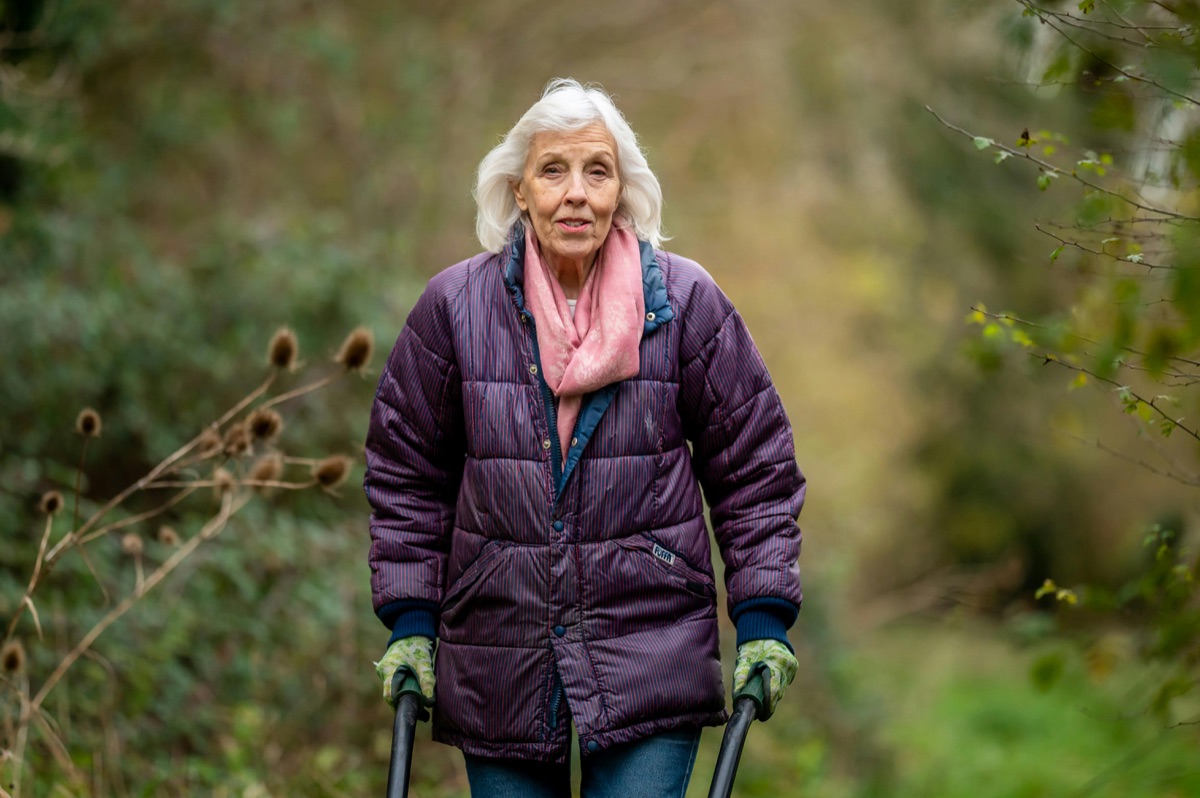
Sarah lives in a village 12 miles outside Truro, Cornwall. When her GP referred her for NHS Talking Therapies, she was offered sessions in Truro—a 45-minute drive each way through narrow country lanes.
Without a car and with limited public transport (two buses daily, neither aligned with appointment times), she faced a choice: spend £30-£40 on taxis per session, or forgo therapy altogether.
She chose the latter.
Sarah's experience isn't unique. Across rural Britain—from the Scottish Highlands to the Norfolk Broads to the Welsh valleys—people face systemic barriers to accessing mental health support that their urban counterparts don't encounter.
This is the rural mental health crisis: a perfect storm of therapist shortages, geographic isolation, transport poverty, and persistent stigma creating "therapy deserts" where support is theoretically available but practically unreachable.
This article examines the scale of the problem, its drivers, and potential solutions—including online therapy's promise and limitations.
TL;DR:
- Rural areas have 30-50% fewer mental health professionals per capita than urban areas
- Average distance to nearest therapist: 3.2 miles (urban) vs 14.7 miles (rural)
- Transport poverty affects 42% of rural households without cars
- Rural mental health outcomes worse despite lower service utilisation
- Stigma and visibility ("everyone knows everyone") deter help-seeking
- NHS mental health funding disproportionately allocated to urban areas
- Online therapy could bridge gaps but digital exclusion affects 17% of rural areas
- Innovative solutions: mobile therapy units, GP-embedded counsellors, hub-and-spoke models
The Numbers: Quantifying the Accessibility Gap
Therapist Distribution Inequalities
Mind's 2024 Rural Mental Health Report reveals stark disparities:
| Metric | Urban | Rural | Disparity |
|---|---|---|---|
| Mental health professionals per 100,000 population | 47.3 | 28.6 | -40% |
| Average distance to nearest therapist | 3.2 miles | 14.7 miles | +359% |
| GP practices with embedded counsellor | 68% | 31% | -54% |
| NHS Talking Therapies sites | High density | Sparse coverage | - |
| Average wait time for therapy | 8.4 weeks | 11.2 weeks | +33% |
Translation: If you live rurally, you're likely to:
- Travel nearly 5 times further for therapy
- Wait one-third longer for an appointment
- Have fewer options for providers
- Have less chance of GP-based support
Geographic Coverage Gaps
The Centre for Mental Health mapped "therapy deserts"—areas where residents must travel 10+ miles to access mental health services.
Therapy deserts disproportionately affect:
- Scottish Highlands and Islands
- Rural Wales (Powys, Ceredigion, Pembrokeshire)
- Cornwall and Devon
- Cumbria and Northumberland
- Rural Lincolnshire and Norfolk
- Parts of North Yorkshire
In some areas of the Scottish Highlands, the nearest psychiatrist is over 60 miles away.
Transport Poverty Compounds the Problem
Transport challenges in rural areas:
- 42% of rural households have no car (vs 23% urban)
- Public transport: 64% of rural areas lack adequate bus services
- Costs: Taxi to nearest therapy appointment can cost £20-£50 each way
- Time: Return journey can take 3+ hours for a 50-minute session
For people on Universal Credit or low incomes, these transport costs are prohibitive.
"I was offered six therapy sessions," explains Tom, a farm worker in Shropshire. "Brilliant, I thought. Then I realised I'd need to take three hours off work for each appointment, plus £30 in petrol each time. I couldn't afford it, literally or financially."
Why Are Rural Areas Underserved?
Multiple factors create this access crisis:
1. Workforce Recruitment and Retention
Challenge: Mental health professionals concentrate in cities, leaving rural areas understaffed.
Reasons:
- Lower salaries: Rural NHS posts often pay less; cost of living can be higher (limited housing, transport costs)
- Professional isolation: Fewer peers for consultation, supervision, or collabouration
- Career development: Limited training opportunities, advancement prospects
- Personal factors: Partners' job opportunities, children's education, lifestyle preferences
Result: High vacancy rates (30-40% in some rural mental health teams) and constant turnover.
2. Funding Allocation Formulas
NHS mental health funding is allocated based partly on population density. Urban areas receive more funding per capita because:
- Higher population concentrations = economies of scale
- Rural service delivery costs more (travel time, smaller caseloads)
Yet funding formulas don't fully account for rural delivery costs, leaving services chronically underfunded.
3. Infrastructure Limitations
Suitable therapy spaces:
- Urban areas: Dedicated clinics, therapy centres, co-working spaces
- Rural areas: Often limited to GP practices or community centres (booked for multiple uses, limited confidentiality)
Digital infrastructure:
- 17% of rural areas lack adequate broadband for video therapy
- Mobile signal blackspots common
- Digital exclusion higher in older rural populations
4. Stigma and Visibility
Rural communities are often close-knit. "Everyone knows everyone" creates benefits (social cohesion) but also risks (loss of anonymity).
Impact on mental health help-seeking:
- Fear of being seen entering therapy clinic or GP (gossip, judgement)
- Concerns about confidentiality (small communities, limited providers)
- "Stoic" rural cultures valuing self-sufficiency over asking for help
Farming communities particularly affected: Farmers experience high rates of mental health difficulties (isolation, financial stress, climate impacts, animal welfare distress) but very low help-seeking. The Farm Safety Foundation reports farmers are among the occupational groups least likely to seek mental health support despite being at highest risk.
5. Intersecting Inequalities
Rural populations disproportionately include:
- Older adults (65+ population higher in rural areas)
- Agricultural workers (seasonal, low-income, insecure employment)
- Veterans (rural areas have higher veteran populations with PTSD)
These groups face additional barriers: age-related digital exclusion, poverty, trauma-related avoidance of services.
Mental Health Outcomes: The Hidden Toll
Paradoxically, rural populations experience worse mental health outcomes despite lower service utilisation.
Higher rates of:
- Suicide (rural suicide rates 20-30% higher than urban)
- Alcohol misuse
- Social isolation and loneliness
- Untreated depression
Lower rates of:
- Mental health service access
- Early intervention
- Crisis service usage (until situations become severe)
This "treatment gap" means rural residents often present in crisis after years of untreated symptoms—requiring more intensive, expensive interventions that could have been prevented with early support.
Real Stories: The Human Cost
Jennifer, 42, rural Pembrokeshire: "After my husband died, I sank into depression. My GP referred me to counselling in Haverfordwest—28 miles away. I don't drive. The bus journey meant leaving at 7am for a 2pm appointment, getting home at 6pm. With two kids to get to school, it was impossible. I struggled alone for two years before finding an online therapist. Why did it take so long to be offered that option?"
David, 58, Highland Scotland: "I'm a farmer. We don't talk about mental health—it's seen as weakness. When I finally admitted I was struggling, the wait for an NHS appointment was five months. By the time it came, I'd nearly taken my own life. A charity finally connected me with someone. The system failed me."
Amira, 29, rural Lincolnshire: "As a Muslim woman in a tiny village, privacy was essential. I couldn't go to the local GP—everyone would know. I eventually found an online therapist from a different county. Without that, I'd have had no option."
Current Initiatives: What's Being Done?
Despite challenges, innovative solutions are emerging:
1. Online Therapy Expansion
What it is: Therapy delivered via video call, phone, or messaging platforms.
Benefits for rural communities:
- Eliminates travel barriers
- Access to wider therapist pool (not limited to local providers)
- Greater anonymity (less risk of being seen)
- Flexible scheduling
Challenges:
- Requires reliable internet/mobile signal (17% of rural areas lack this)
- Digital literacy barriers (particularly older adults)
- Some presentations unsuitable (severe crisis, safeguarding concerns)
- Therapeutic relationship differences (some clients prefer in-person)
NHS adoption: Many NHS Talking Therapies services now offer remote sessions. Uptake increased dramatically post-pandemic and has remained high.
2. Mobile Therapy Services
What it is: Therapists travel to clients or use mobile therapy units (converted vehicles with therapy rooms).
Examples:
- Cornwall Rural Counselling: Therapists travel to village halls and community centres
- Cumbria Mobile Mental Health Unit: Van equipped with therapy space, visiting remote areas monthly
- Scotland Rural Therapy Network: Hub-and-spoke model with therapists covering multiple locations
Benefits:
- Brings services to people
- Reduces travel burden on clients
Challenges:
- Expensive (therapist travel time, vehicle costs)
- Limited capacity
- Scheduling complexity
3. GP-Embedded Counsellors
What it is: Counsellors based within GP practices, offering immediate or rapid-access sessions.
Benefits:
- Accessible (people already attend GP locally)
- Reduces stigma (going to GP is normalised)
- Integrated care (GP and counsellor communicate)
Challenges:
- Requires funding (many rural GP practices can't afford embedded counsellors)
- Space limitations (small rural practices lack therapy rooms)
Success stories: Several rural Clinical Commissioning Groups (CCGs) piloted GP-embedded mental health workers with excellent outcomes: 40% reduction in wait times, 30% increase in engagement.
4. Third Sector Innovation
Charities and community organisations are filling gaps:
- Rural Mental Health Network UK: Coordinates support across rural areas
- YANA (You Are Not Alone): Supports farming community mental health
- Rural Coffee Caravan: Mobile mental health outreach in Scotland
- Mind local branches: Some offer rural outreach services
Limitations:
- Inconsistent coverage (depends on local charity presence)
- Funding insecurity (grants, donations fluctuate)
- Not substitutes for statutory NHS provision
5. Pharmacy-Based Mental Health Support
Pilot initiatives are placing mental health practitioners in rural pharmacies for brief consultations, signposting, and low-intensity interventions.
Benefits:
- Pharmacies more accessible than clinics
- Reduces GP burden
- Community-embedded, less stigmatising
Early results: Promising engagement, particularly from men and older adults who might not access traditional services.
Online Therapy: The Game-Changer for Rural Access?
Online therapy holds enormous potential for rural communities, but it's not a panacea.
When Online Therapy Works Well
- Mild to moderate anxiety, depression, or stress
- Clients comfortable with technology
- Adequate internet connection
- Preference for convenience or anonymity
- Geographically isolated clients
When Online Therapy Is Challenging
- Severe mental illness requiring face-to-face assessment
- High-risk situations (active suicidal ideation, safeguarding concerns)
- Poor digital infrastructure
- Clients who find screens alienating
- Need for physical presence (grounding techniques, safety)
Maximising Online Therapy Effectiveness in Rural Areas
For providers:
- Offer flexible modalities (video, phone, messaging)
- Provide technical support for clients unfamiliar with platforms
- Ensure platforms work on low bandwidth
- Develop crisis protocols for remote work
For policymakers:
- Invest in rural broadband infrastructure
- Fund digital literacy programmes
- Integrate online therapy into NHS standard offerings
For clients:
- Test technology before first session
- Create private space (difficult in small homes—use headphones)
- Discuss preferences honestly with therapist
What Needs to Change: Policy Recommendations
Addressing the rural mental health crisis requires multi-level action:
1. Funding Redistribution
- Weighted funding formulas accounting for rural service delivery costs
- Ring-fenced budgets for rural mental health innovation
- Incentives for providers serving rural populations
2. Workforce Initiatives
- Financial incentives: Student loan forgiveness, relocation allowances, salary uplifts for rural posts
- Flexible working: Part-time, remote supervision, hybrid models
- Training placements: Ensure trainee therapists gain rural experience
3. Digital Infrastructure Investment
- Universal rural broadband access
- Mobile signal improvement
- Digital inclusion programmes
4. Integrated Service Models
- GP-embedded counsellors in all rural practices
- Mental health liaison in community centres, libraries, pharmacies
- Collabouration with agricultural, veteran, and community organisations
5. Public Health Campaigns
- Anti-stigma initiatives tailored to rural cultures
- Farming-specific mental health awareness
- Peer support networks
6. Transport Solutions
- Subsidised patient transport for therapy appointments
- Co-ordination with community transport schemes
- Virtual appointments as default with in-person option when needed
What You Can Do If You're Struggling to Access Rural Mental Health Support
Immediate options:
- Ask GP about online therapy (NHS Talking Therapies now widely offers remote sessions)
- Search for online private therapists (BACP directory filters by modality; many offer sliding scale fees)
- Contact rural mental health charities (may offer services or signpost)
- Explore low-intensity digital tools (apps, online CBT programmes as interim support)
- Enquire about EAPs (if employed, check if your employer offers Employee Assistance Programme)
Advocacy:
- Contact your MP about rural mental health access
- Respond to NHS consultations on mental health service planning
- Share your story with local and national media
- Join campaigns like Rural Mental Health UK
FAQs
Can I access NHS therapy if I live rurally? Yes, NHS Talking Therapies covers all areas. However, availability, wait times, and delivery modes vary. Ask your GP for referral or self-refer online.
Is online therapy as effective as face-to-face? Research shows comparable effectiveness for many conditions (anxiety, depression, PTSD). Personal preference and comfort with technology matter.
What if I don't have reliable internet? Ask about telephone therapy (audio-only). Many therapists offer this, and research supports its effectiveness.
Are there mental health services specifically for farmers? Yes. YANA, FCN (Farming Community Network), and RABI (Royal Agricultural Benevolent Institution) offer farming-specific support.
Will people find out if I access therapy in a small community? NHS confidentiality rules apply regardless of location. Online therapy can provide extra anonymity if that's a concern.
Can I see a therapist from a different area? If accessing private therapy or some online NHS services, yes. NHS Talking Therapies are typically area-specific, but you can enquire about exceptions.
Conclusion: Rural Mental Health Matters
The rural mental health crisis is a social justice issue. Geography shouldn't determine whether you can access support for depression, anxiety, trauma, or distress.
Yet currently, it does.
Solutions exist—online therapy, mobile services, integrated models—but they require investment, political will, and recognition that rural health inequalities are unacceptable.
For those navigating this system now: you deserve support, even if accessing it requires creativity and persistence. You're not "difficult" for living rurally. The system is failing you, and that's not your fault.
Change is possible. But it requires sustained pressure, innovation, and resources dedicated to ensuring every person—urban or rural—can access the mental health support they need.
Access Therapy, Wherever You Are
At Kicks Therapy, we offer online counselling throughout the UK, including rural and remote areas. We understand the unique challenges of accessing mental health support outside urban centres.
Whether you're in a Scottish village, Welsh countryside, or English farmland, we provide flexible, confidential therapy via secure video or telephone.
Book a free 15-minute consultation to discuss how online therapy can support your mental health, wherever you're based.
Kicks Therapy is a BACP-registered counselling service offering online therapy UK-wide, specialising in accessible, flexible mental health support for people facing geographic or practical barriers to in-person care.
Related Topics:
Ready to start your therapy journey?
Book a free 15-minute consultation to discuss how we can support you.
Book a consultation→