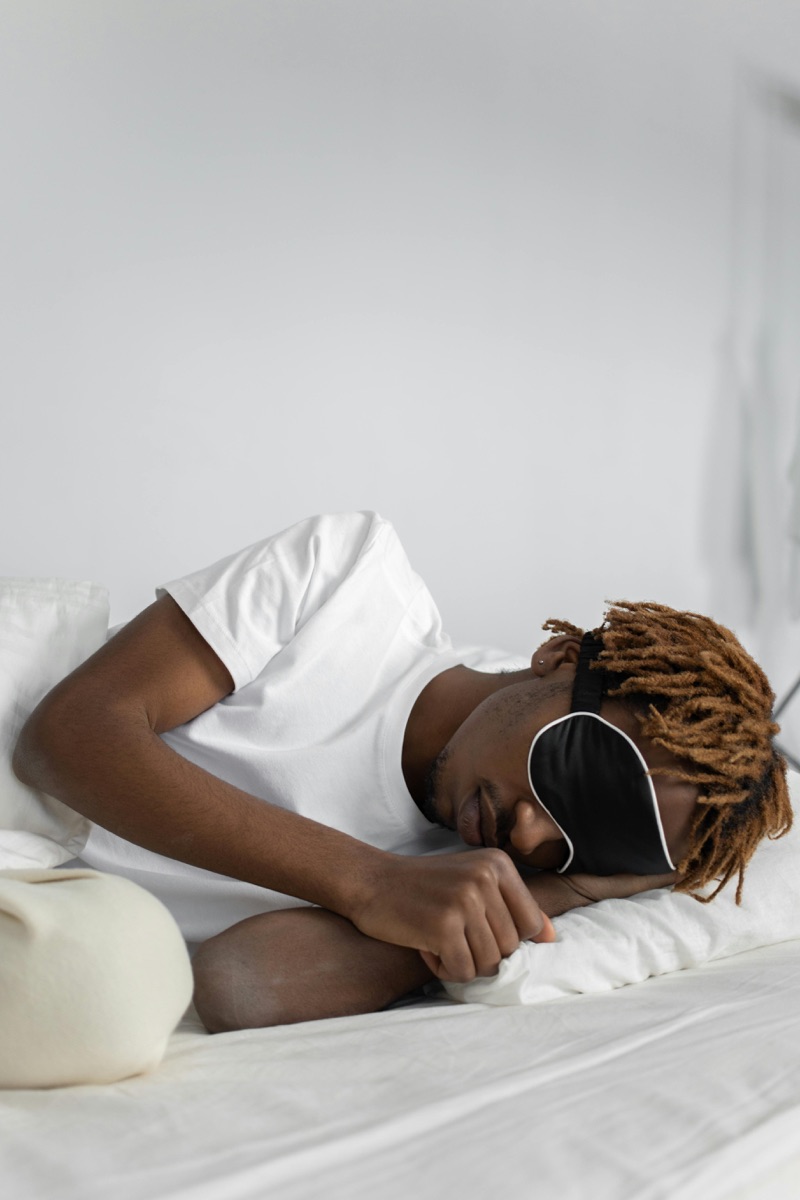

"I know I should sleep more, but there aren't enough hours in the day."
Tom rubbed his eyes as he said this, the dark circles underneath them telling their own story. He'd come to therapy for anxiety—the racing thoughts, the constant worry, the feeling that something bad was always about to happen. What emerged quickly was that he'd been averaging about five hours of sleep for the past two years.
He'd normalised it. Lots of people function on little sleep, he figured. Sleep was a luxury he'd address once things calmed down. The irony, of course, was that his sleep deprivation was making everything worse—fuelling the very anxiety that kept him awake at night.
The relationship between sleep and mental health isn't just correlation. It's a bidirectional cycle: poor mental health disrupts sleep, and poor sleep damages mental health. Breaking this cycle often requires addressing both simultaneously.
TL;DR: Key Takeaways
- Sleep and mental health are bidirectionally linked—each profoundly affects the other
- Sleep deprivation impairs emotional regulation, increases anxiety, and raises depression risk
- During sleep, the brain processes emotions and consolidates memories essential for mental health
- Common sleep disruptors include screen use, irregular schedules, and stimulants
- Evidence-based approaches include sleep hygiene improvements and CBT for insomnia
- Addressing sleep problems can significantly improve mental health outcomes
The Science of Sleep and Mental Health
Sleep isn't passive rest—it's active maintenance. During sleep, your brain engages in processes essential for psychological functioning: consolidating memories, processing emotional experiences, clearing metabolic waste, and restoring depleted resources.
When these processes are disrupted, mental health suffers.
What Happens During Sleep
Sleep occurs in cycles of roughly 90 minutes, alternating between non-REM (light and deep sleep) and REM (rapid eye movement) stages:
| Stage | What Happens | Mental Health Relevance |
|---|---|---|
| Light Sleep (N1-N2) | Transition into sleep, body relaxes | Prepares brain for deeper processing |
| Deep Sleep (N3) | Physical restoration, memory consolidation | Essential for cognitive function and energy |
| REM Sleep | Dreams occur, emotional processing | Critical for emotional regulation and trauma processing |
Each stage serves different functions. Deep sleep is particularly important for physical restoration and declarative memory (facts and events). REM sleep—when most dreaming occurs—appears crucial for emotional processing and procedural memory (how to do things).
Dr Matthew Walker, neuroscientist and author of Why We Sleep, describes REM sleep as "overnight therapy"—a period when the brain processes emotional experiences, stripping away the painful charge while retaining the learning.
The Bidirectional Relationship
The connection between sleep and mental health works both ways:
Sleep problems increase mental health risk:
- A meta-analysis in Lancet Psychiatry found insomnia doubles the risk of developing depression
- Sleep deprivation increases activity in the amygdala (the brain's threat detector) while reducing prefrontal cortex regulation—making us more reactive and less rational
- One night of poor sleep can increase anxiety by 30%, according to UC Berkeley research
- Chronic sleep problems are associated with increased risk of anxiety disorders, depression, bipolar disorder, and even suicidal thoughts
Mental health problems disrupt sleep:
- Up to 90% of people with depression report sleep difficulties
- Anxiety keeps the nervous system activated, making it hard to relax into sleep
- Trauma can cause hypervigilance and nightmares
- Racing thoughts associated with many conditions interfere with sleep onset
This creates a vicious cycle: anxiety causes sleep problems, sleep problems worsen anxiety, worsening anxiety further disrupts sleep. Breaking the cycle often requires intervention at multiple points.
How Sleep Deprivation Affects Your Mind
Understanding specifically how sleep deprivation impacts mental functioning can motivate taking sleep more seriously.
Emotional Regulation
The sleep-deprived brain is an emotional brain. Research using fMRI imaging shows that after sleep deprivation, the amygdala (responsible for emotional reactions, particularly fear and anxiety) shows 60% more activity in response to negative stimuli.
Simultaneously, the connection between the amygdala and the prefrontal cortex (responsible for rational thinking and impulse control) weakens. The result: bigger emotional reactions with less ability to regulate them.
This is why, after a bad night's sleep, you might:
- Snap at small irritations
- Feel overwhelmed by challenges you'd normally handle
- Interpret neutral situations as threatening
- Struggle to recover from setbacks
Cognitive Function
Sleep deprivation impairs virtually every aspect of cognitive performance:
- Attention and concentration: Focus becomes fragmented
- Decision-making: Judgement suffers, particularly for complex decisions
- Memory: Both learning and recall are impaired
- Processing speed: Everything takes longer
- Creativity: Novel thinking and problem-solving decline
After 17-19 hours without sleep, cognitive impairment is equivalent to a blood alcohol level of 0.05%—the legal limit for driving in many countries. After 24 hours, it's equivalent to 0.10%.
Mood
Even a single night of poor sleep affects mood the next day. Chronic sleep deprivation has more serious consequences:
- Increased irritability and emotional volatility
- Reduced positive emotions and enjoyment
- Increased negative bias (seeing threats and problems more readily)
- Higher risk of developing depression
- Reduced stress resilience
Anxiety Symptoms
Sleep deprivation doesn't just worsen existing anxiety—it can create anxiety-like symptoms in otherwise healthy people:
- Increased vigilance and startle response
- Racing thoughts
- Physical tension
- Anticipatory worry
- Difficulty relaxing
Many people with anxiety find their symptoms manageable when well-rested and overwhelming when sleep-deprived. This isn't coincidence.
Sleep Disorders and Mental Health Conditions
Specific sleep disorders often co-occur with mental health conditions:
Insomnia
Insomnia—difficulty falling asleep, staying asleep, or waking too early—affects about one in three UK adults at some point. It's the sleep problem most closely linked to mental health conditions.
- Insomnia is both a symptom and predictor of depression
- Treating insomnia can improve depression outcomes, even without directly treating the depression
- Anxiety disorders frequently involve insomnia, particularly difficulty initiating sleep
- Chronic insomnia is associated with increased risk of developing anxiety disorders
Sleep Apnoea
Obstructive sleep apnoea—where breathing repeatedly stops during sleep—is associated with:
- Depression (present in up to 40% of people with sleep apnoea)
- Anxiety
- Cognitive impairment
- Mood disturbances
Treatment of sleep apnoea often improves mood and cognitive symptoms.
Circadian Rhythm Disorders
When your internal body clock is misaligned with societal expectations (e.g., you naturally wake at noon but work starts at 9am), the result is chronic sleep deprivation and mood disruption.
- Delayed sleep phase disorder (common in teenagers) is associated with depression
- Shift workers have elevated rates of depression and anxiety
- Seasonal changes in light exposure can trigger mood episodes (seasonal affective disorder)
Common Sleep Disruptors
Understanding what interferes with sleep is the first step to improving it.
Screens and Light
Blue light from screens suppresses melatonin production, the hormone that signals sleep onset. Using phones, tablets, or computers in the evening pushes sleep later—often without people realising.
Beyond light, screens are stimulating. Social media, news, work emails—these activate rather than calm the mind. The "quick check" before bed often extends into an hour of scrolling.
Irregular Schedules
The body's circadian rhythm thrives on regularity. Consistent sleep and wake times—even on weekends—strengthen the sleep-wake cycle. Irregular schedules confuse the system, making it harder to fall asleep and wake refreshed.
"Social jet lag"—the phenomenon of sleeping late on weekends then struggling Monday morning—disrupts circadian alignment with downstream effects on mood and energy.
Stimulants
Caffeine has a half-life of 5-6 hours, meaning half the caffeine from your 3pm coffee is still in your system at 9pm. Afternoon and evening caffeine significantly impairs sleep quality, even when people don't notice difficulty falling asleep.
Nicotine is also stimulating and can cause sleep fragmentation. Withdrawal overnight can prompt early waking in regular smokers.
Alcohol
Alcohol is deceptive. It sedates initially, helping people fall asleep faster. But it:
- Fragments sleep in the second half of the night
- Suppresses REM sleep (critical for emotional processing)
- Causes early morning waking
- Increases likelihood of sleep apnoea
People using alcohol as a sleep aid often find they need increasing amounts for the same effect, while sleep quality progressively worsens.
Environment
Physical environment matters more than many realise:
- Temperature: Most people sleep best in cool rooms (around 18°C)
- Noise: Even sounds that don't fully wake you can fragment sleep
- Light: Any light in the bedroom can suppress melatonin
- Comfort: An uncomfortable mattress or pillow creates micro-arousals
Stress and Worry
This is the big one for many people. The mind that won't switch off at night—replaying the day, anticipating tomorrow, worrying about things that may never happen.
Stress activates the sympathetic nervous system, releasing cortisol and adrenaline. This is the opposite of the parasympathetic state needed for sleep. You can lie in bed for hours, exhausted but wired.
Improving Sleep: Evidence-Based Strategies
Sleep hygiene advice is everywhere, and much of it is genuinely helpful. But sustainable change usually requires addressing underlying patterns, not just surface behaviours.
Sleep Hygiene Foundations
Consistent schedule: Go to bed and wake up at the same time daily, including weekends. This is possibly the single most important sleep habit.
Wind-down routine: Create 30-60 minutes of calming activity before bed—reading, stretching, quiet conversation. This signals to your brain that sleep is approaching.
Bedroom environment: Cool, dark, quiet, comfortable. Reserve the bed for sleep and intimacy only—not working, scrolling, or watching TV.
Limit screens: Stop screens 1-2 hours before bed. If this feels impossible, at minimum use night mode and avoid stimulating content.
Watch caffeine and alcohol: Cut off caffeine by early afternoon. Limit alcohol, especially close to bedtime.
Physical activity: Regular exercise improves sleep quality, but intense activity close to bedtime can be stimulating. Morning or afternoon is usually best.
Daylight exposure: Morning light exposure helps regulate circadian rhythm. Get outside early in the day when possible.
When Sleep Hygiene Isn't Enough
Sleep hygiene is a foundation, but for chronic sleep problems, it's often insufficient. Two evidence-based approaches offer more:
Cognitive Behavioural Therapy for Insomnia (CBT-I)
CBT-I is the gold standard treatment for chronic insomnia—recommended before sleep medications by NICE guidelines. It addresses both behavioural patterns and cognitive factors:
- Sleep restriction: Counterintuitively, spending less time in bed can improve sleep quality by building sleep pressure
- Stimulus control: Re-establishing the bed as a place for sleep, not wakefulness
- Cognitive restructuring: Addressing unhelpful beliefs about sleep ("I must get 8 hours or I can't function")
- Relaxation techniques: Managing physical arousal that prevents sleep
CBT-I typically involves 4-8 sessions and shows effects that persist long after treatment ends—unlike sleep medications, which stop working when you stop taking them.
Acceptance-Based Approaches
Sometimes the effort to sleep becomes the obstacle. The more you try to force sleep, the more elusive it becomes. Acceptance and Commitment Therapy (ACT) approaches encourage:
- Accepting that some nights will be difficult
- Letting go of the struggle against wakefulness
- Reducing anxiety about sleep itself
- Focusing on valued activities despite tiredness
Paradoxically, accepting poor sleep often improves it. The performance anxiety of "I must sleep" creates arousal that prevents sleep.
Addressing Underlying Mental Health
If anxiety or depression is driving sleep problems, treating these conditions often improves sleep—and vice versa. This is one of many reasons therapy can help:
- Processing worries that keep you awake
- Reducing overall anxiety levels
- Addressing depression that disrupts sleep architecture
- Working through trauma that causes nightmares or hypervigilance
Sleep improvement and mental health improvement often happen together as part of an upward spiral.
When to Seek Help
Consider professional support if:
- Sleep problems persist for more than a few weeks
- You're regularly getting fewer than 6 hours despite time in bed
- Daytime functioning is significantly impaired
- You're using alcohol or other substances to sleep
- Your partner reports snoring, gasping, or pauses in breathing
- Sleep problems are accompanied by anxiety or depression
- You've tried sleep hygiene improvements without success
Your GP can assess for sleep disorders like sleep apnoea. A therapist can help with the psychological factors—both the mental health conditions that disrupt sleep and the anxiety about sleep itself.
Frequently Asked Questions
How much sleep do I actually need?
Adults typically need 7-9 hours, though individual variation exists. The best indicator is how you feel: if you wake naturally without an alarm feeling refreshed and have consistent energy through the day, you're probably getting enough. If you're consistently tired, irritable, and reliant on caffeine, you probably need more.
Can you make up for lost sleep?
To some extent. "Recovery sleep" after deprivation does help. However, you can't fully bank sleep or pay off accumulated sleep debt with a weekend lie-in. Chronic sleep deprivation causes lasting effects that aren't fully reversed by occasional extra sleep.
Do sleep apps and trackers help?
They can increase awareness but come with caveats. Some people find tracking motivating. Others develop "orthosomnia"—anxiety about their sleep scores that actually worsens sleep. If tracking makes you more anxious, stop. Also note that consumer devices aren't highly accurate for sleep staging.
Is it better to stay in bed or get up if I can't sleep?
If you've been awake for more than 20-30 minutes, get up. Do something quiet and calming in dim light until you feel sleepy, then return to bed. This prevents the bed becoming associated with wakefulness and frustration.
Are sleep medications safe?
Prescription sleep medications can be helpful short-term for acute insomnia. However, they're not recommended for long-term use due to dependence, tolerance, and side effects. NICE guidelines recommend CBT-I as first-line treatment. Over-the-counter antihistamines can cause next-day grogginess and shouldn't be used regularly.
Does the time I go to sleep matter?
Somewhat. Earlier sleep tends to align better with natural circadian rhythms and maximises deep sleep (which is more abundant in the first half of the night). However, consistency matters more than the specific time—a regular 12am-8am schedule is better than an irregular schedule that averages "earlier."
The Bigger Picture
Tom, the client I mentioned at the beginning, initially resisted focusing on sleep. He had real problems—work stress, family conflict, health worries. Sleep seemed like a nice-to-have, not a priority.
But as we worked together, he started to see the connections. When he slept better, his anxiety was more manageable. When his anxiety was manageable, he made better decisions. When he made better decisions, some of his problems actually improved.
Sleep wasn't the whole solution, but it was a foundation. Without it, other interventions were swimming upstream.
"I used to think sleep was negotiable," he told me near the end of our work. "Now I guard it. It's not a luxury—it's maintenance. Everything else works better when I'm rested."
If you're struggling with sleep, please take it seriously. Poor sleep isn't a badge of productivity—it's a tax on everything else. And the good news is that sleep responds to intervention. With the right approach, most people can sleep better.
Ready to Improve Your Sleep?
Our integrative counselling approach addresses sleep problems alongside the mental health concerns often intertwined with them. We help you understand what's disrupting your sleep, develop practical strategies for better rest, and address the anxiety, stress, or other factors that may be keeping you awake.
Sessions are available in person in Fulham (SW6) or online across the UK. Book a free 15-minute consultation to discuss how therapy might help you sleep better and feel better.
If you're struggling with thoughts of self-harm or suicide, please contact Samaritans immediately on 116 123, available 24/7.
Related Topics:
Ready to start your therapy journey?
Book a free 15-minute consultation to discuss how we can support you.
Book a consultation→