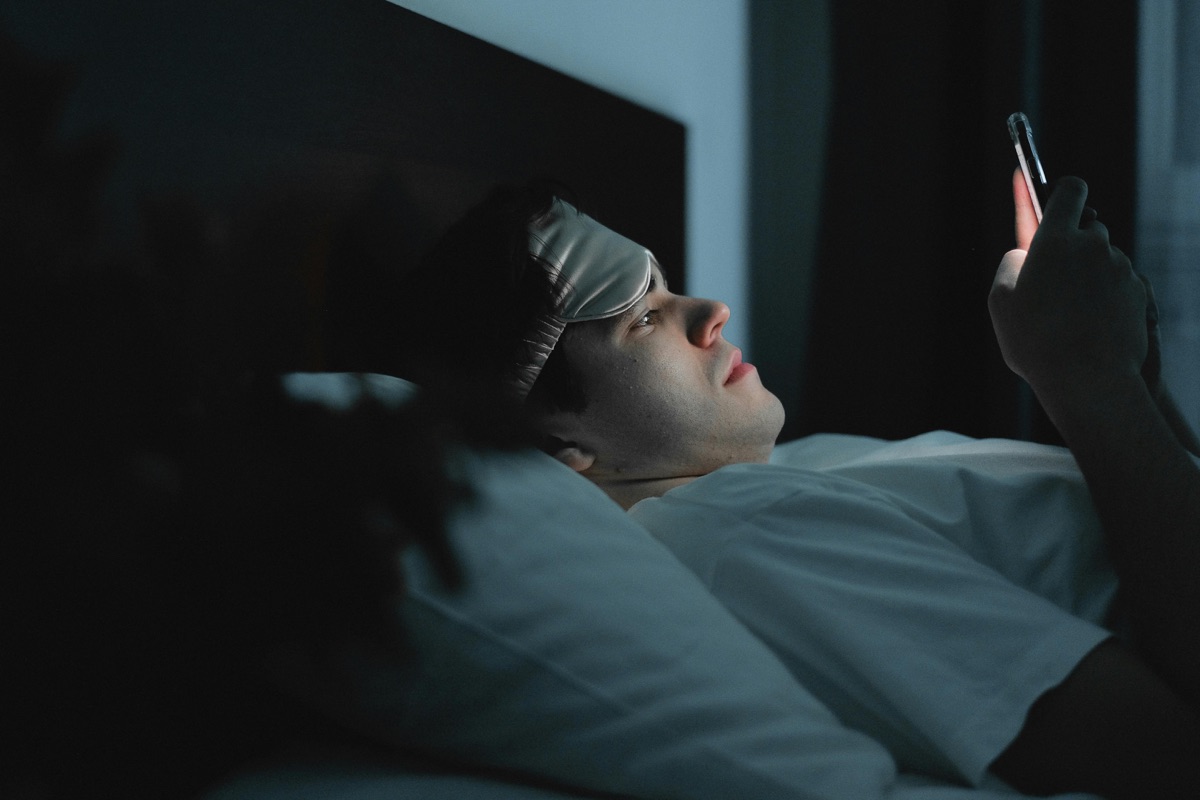
Sleep apps promise better rest through technology—tracking, sounds, meditation, CBT. Some genuinely help. Many are expensive placebos. As a therapist treating insomnia, here's my honest assessment of what works.
Sleep quality profoundly affects mental health, as explored in our guide on sleep and mental health.
Rating criteria: Evidence base, features, usability, value for money.
CBT-for-Insomnia Apps (Evidence-Based Treatment)
Sleepio: ★★★★★
What it is: Digital CBT-I program
Cost: £10/month or free through some NHS areas/employers
Evidence: Strongest research base of any sleep app. Multiple RCTs showing effectiveness comparable to therapist-delivered CBT-I. NICE-recommended.
How it works: 6-week program teaching sleep restriction, stimulus control, cognitive techniques, relaxation
Pros:
- Genuinely evidence-based (clinical trials, not just testimonials)
- Animated professor delivers content (engaging)
- Personalised sleep schedule
- Addresses underlying insomnia, not just symptoms
- NICE-recommended
- Works long-term (effects persist)
Cons:
- Requires commitment (6 weeks, following advice isn't always easy)
- Sleep restriction phase can be tough initially
- Subscription model (though cheaper than therapy)
Best for: Chronic insomnia, anyone wanting evidence-based treatment
Therapist's take: This is the gold standard. If recommending one sleep app, it's Sleepio. Research is solid. Delivers actual CBT-I. Following the program genuinely improves sleep for most people. Worth the cost.
Cognitive Behavioural Therapy for Insomnia (CBT-I Coach): ★★★★☆
What it is: Free CBT-I app (VA/Stanford developed)
Cost: Free
Evidence: Based on CBT-I principles (strong evidence base for approach)
Features: Sleep diary, stimulus control reminders, cognitive strategies, relaxation
Pros:
- Free
- Evidence-based approach
- Created by insomnia experts
- Clean interface
- No ads or upselling
Cons:
- Less engaging than Sleepio (no animations/personality)
- Requires more self-direction
- US military/veteran focus (though useful for anyone)
Best for: Self-directed people, those wanting free CBT-I option
Therapist's take: Excellent free alternative to Sleepio. Less hand-holding but same core principles. If motivated and disciplined, this works.
Sleep Tracking Apps/Devices
Sleep Cycle: ★★★☆☆
What it does: Tracks sleep using phone microphone/accelerometer, wakes you in light sleep phase
Cost: Free basic; £30/year premium
Evidence: Limited. Sleep phase detection not clinically validated. Smart alarm concept has some logic.
Pros:
- Interesting data on sleep patterns
- Smart alarm may help some people
- Snore detection
- Sleep notes feature
Cons:
- Accuracy questionable (phone-based tracking less reliable than wearables)
- Data can increase anxiety for some ("I only got 5 hours!")
- Premium features not essential
Best for: Curious about sleep patterns, morning wake-up support
Therapist's take: Fun toy but limited therapeutic value. For some, tracking increases anxiety. Smart alarm helpful for some. Don't rely on data as clinically accurate.
Fitbit/Apple Watch Sleep Tracking: ★★★☆☆
What it does: Tracks sleep duration, stages, heart rate
Evidence: Better than phone apps but still not medical-grade. Sleep stage detection somewhat accurate but imperfect.
Pros:
- Passive (just wear device)
- Interesting trends over time
- Integration with health data
Cons:
- Requires buying device (expensive)
- Accuracy limitations
- Can increase anxiety ("I slept badly—the data proves it!")
- Blue light exposure from checking
Best for: Already own device, want general trends
Therapist's take: Provides useful general information (e.g., consistent bedtime improves sleep). Don't obsess over details. Wearables detect major patterns, not precise sleep architecture. If tracking increases anxiety, stop.
Relaxation and Sound Apps
Headspace Sleep Content: ★★★★☆
What it is: Guided meditations, sleepcasts (bedtime stories), sleep music
Cost: £10/month (part of full Headspace subscription)
Evidence: Mindfulness for sleep has research support; Headspace-specific sleep content has some studies
Pros:
- High-quality guided meditations
- Sleepcasts genuinely help many people
- Beautiful sleep music
- Wind-down exercises
Cons:
- Subscription required
- Doesn't address underlying insomnia (soothes symptoms)
Best for: Difficulty winding down, racing mind, occasional sleep problems
Therapist's take: Excellent for bedtime relaxation but won't fix chronic insomnia. The sleepcasts are genuinely well-done. Combine with CBT-I approaches for best results.
Calm Sleep Stories: ★★★★☆
What it is: Bedtime stories for adults narrated by soothing voices (including celebrities)
Cost: £15/month
Evidence: No specific research but distraction from racing thoughts has theoretical basis
Pros:
- Genuinely relaxing
- Celebrity narrators (Stephen Fry, Matthew McConaughey)
- Large selection
- Many find them very effective
Cons:
- Expensive
- Doesn't treat underlying insomnia
- Becomes crutch (can't sleep without it)
Best for: Trouble winding down, racing thoughts, enjoy narratives
Therapist's take: Overpriced but effective for what it does (distraction, relaxation). Won't cure insomnia but can help sleep onset for right people. Free alternatives exist (YouTube has sleep stories, library audiobooks).
White Noise/Nature Sounds Apps (Various): ★★★☆☆
Examples: myNoise, Noisli, White Noise
Cost: Free to £5 one-time purchase
Evidence: Mixed. May help by masking disturbing sounds. No evidence for special sleep-inducing properties.
Pros:
- Inexpensive or free
- Simple
- Masks environmental noise
- Customizable
Cons:
- Limited features
- Doesn't address underlying problems
Best for: Noisy environments, sound-sensitive sleepers
Therapist's take: Fine for specific issue (masking partner's snoring, street noise). Not a solution for chronic insomnia. Cheap options work as well as expensive.
Blue Light Filters and Sleep Optimization
f.lux/Night Shift/Blue Light Filter: ★★★★☆
What they do: Reduce blue light emission from screens evening
Cost: Free (built into most devices)
Evidence: Blue light exposure evening suppresses melatonin. Reducing it theoretically helps. Research shows modest benefits.
Pros:
- Free
- Easy (automatic)
- Addresses real problem (screen light disrupting circadian rhythm)
Cons:
- Won't fix poor sleep habits
- Effect modest
Best for: Everyone using screens evening
Therapist's take: Should be used by everyone but expectations realistic. Helps slightly; doesn't offset staying up late on screens. Better solution: no screens 1-2 hours before bed (I know, I know).
What Doesn't Work (Despite Marketing)
Sleep supplements apps with no evidence: Apps that just recommend supplements lack evidence base. See GP for supplement advice.
Brain wave entrainment apps: Claims that particular sound frequencies induce sleep lack credible evidence.
Sleep hypnosis apps (most): Some relaxation benefit but grandiose claims unsupported.
Expensive sleep gadgets (£200+ sleep masks with sounds/lights): No evidence they outperform £10 eye mask and free sounds app.
My Top Recommendations
Best for chronic insomnia: Sleepio (evidence-based CBT-I)
Best free CBT-I: CBT-I Coach (VA/Stanford app)
Best for relaxation: Headspace sleep content
Best for winding down: Calm Sleep Stories (though expensive)
Best for noisy environments: Any free white noise app
Best basic intervention: Free blue light filter, consistent sleep schedule, dark room
Don't waste money on: Expensive sleep gadgets, apps without evidence base
When Apps Aren't Enough
Sleep apps work best for:
- Mild-moderate insomnia
- Sleep procrastination (going to bed late)
- Racing mind at bedtime
- Need for structure
Seek professional help if:
- Chronic insomnia (>3 months, 3+ nights/week)
- Suspected sleep disorder (sleep apnea, restless legs)
- Mental health condition affecting sleep (depression, anxiety, PTSD)
- Safety concerns (dangerous levels of sleep deprivation)
- Multiple failed self-help attempts
The Evidence on Sleep Apps Generally
What research shows:
- CBT-I apps (Sleepio, CBT-I Coach) have solid evidence
- Relaxation apps may help sleep onset but don't treat underlying insomnia
- Sleep tracking accuracy variable; clinical value limited
- Many apps lack any research evaluation
What to be skeptical about:
- Proprietary methods with no published research
- Grandiose claims ("Cure insomnia in 3 days!")
- Expensive without clear evidence justifying cost
- Promotion of supplements or products
Best Practices for Using Sleep Apps
Do:
- Use evidence-based apps (Sleepio, CBT-I Coach) for chronic insomnia
- Combine with good sleep hygiene
- Give adequate trial (4-6 weeks)
- Stop tracking if it increases anxiety
- Use relaxation apps for winding down, not curing insomnia
Don't:
- Rely solely on apps for chronic severe insomnia
- Obsess over sleep tracking data
- Use multiple apps simultaneously (overwhelming, confusing)
- Substitute for addressing underlying problems
- Use screens in bed (even with blue light filter)
The Therapist's Bottom Line
Sleep apps are useful tools but not magic. CBT-I apps (Sleepio, CBT-I Coach) have genuine evidence and can treat insomnia effectively. Relaxation apps help wind down. Sleep tracking is interesting but clinically limited.
Best approach: Start with evidence-based free interventions (consistent schedule, dark room, no screens before bed). If insufficient, try CBT-I app. If still struggling after 6-8 weeks, seek professional assessment—sleep disorders, mental health conditions, or other factors may need addressing.
Sleep problems are treatable. Apps can help, but they're one tool among many. Don't suffer unnecessarily thinking "I've tried an app and it didn't work, there's nothing else"—professional sleep medicine and therapy offer more. For free support options, see our guide to free mental health resources in the UK.
Disclaimer: No financial relationships with apps/companies mentioned. Recommendations based on evidence and clinical experience.
Related Topics:
Ready to start your therapy journey?
Book a free 15-minute consultation to discuss how we can support you.
Book a consultation→