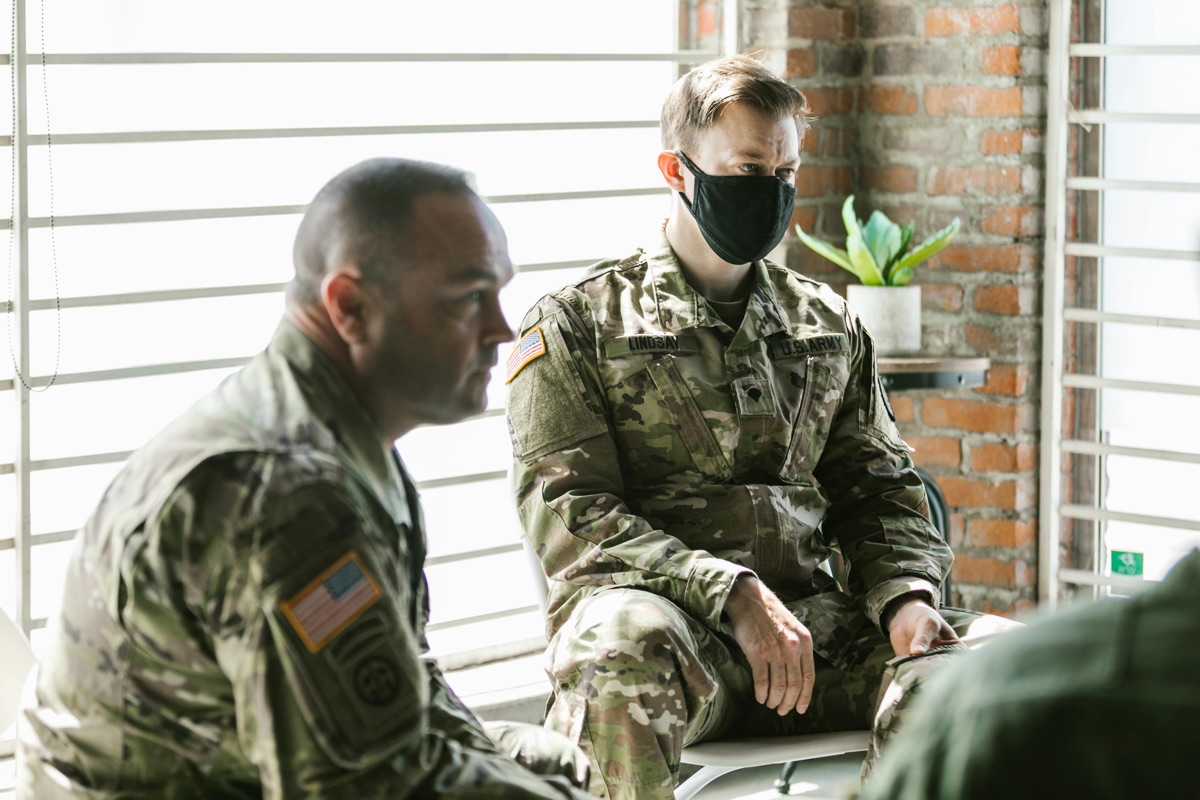

When most people think of PTSD, they picture soldiers returning from combat zones. But that narrow image has created a dangerous blind spot—millions of people living with post-traumatic stress don't recognise their own symptoms because they don't fit the Hollywood stereotype.
Sarah, a 34-year-old primary school teacher, spent two years wondering why she couldn't sleep, why sudden loud noises made her heart race, and why she felt emotionally numb around her partner. It wasn't until a GP suggested trauma screening that she connected these symptoms to a car accident she'd experienced three years earlier.
"I kept thinking, 'But I wasn't hurt, not really. People died in wars. What right do I have to be traumatised by a fender bender?'" Sarah told me during our fourth session. This self-invalidation is heartbreakingly common.
This deep dive explores what PTSD and complex trauma actually look like, how they differ, and most importantly—how healing is possible, regardless of what caused your trauma.
TL;DR: Key Takeaways
- PTSD can develop from any traumatic event, not just military combat—accidents, assault, medical trauma, and witnessing violence all count
- Complex PTSD (C-PTSD) stems from prolonged, repeated trauma, often in childhood, and includes additional symptoms around self-perception and relationships
- Not everyone who experiences trauma develops PTSD—approximately 20-30% of trauma survivors develop the disorder
- Trauma responses are physiological, not weakness—your nervous system is trying to protect you
- Evidence-based treatments work—EMDR, trauma-focused CBT, and integrative approaches show strong efficacy
Table of Contents
- What Actually Is PTSD?
- The Four Symptom Clusters
- Complex PTSD: When Trauma Is Prolonged
- How Trauma Affects the Brain and Body
- Common Myths About PTSD
- Who Gets PTSD and Why?
- Treatment Approaches That Work
- Supporting Someone With PTSD
What Actually Is PTSD?
Post-Traumatic Stress Disorder is a psychiatric condition that can develop after experiencing or witnessing a traumatic event. The key word here is "can"—not everyone who experiences trauma will develop PTSD.
According to the latest diagnostic criteria in the DSM-5 (the diagnostic manual mental health professionals use), PTSD involves exposure to actual or threatened death, serious injury, or sexual violence through:
- Directly experiencing the traumatic event
- Witnessing the event happen to others
- Learning that the event happened to a close family member or friend
- Repeated exposure to aversive details of traumatic events (common in first responders, social workers, and therapists)
Notice what's not on that list: judgement about whether the trauma was "bad enough."
[EXPERT QUOTE]
"I've worked with trauma survivors for 15 years, and one of the first things I tell clients is: your trauma is valid, full stop. The human nervous system doesn't rank traumatic experiences. A response is a response." — Dr. Bessel van der Kolk, author of "The Body Keeps the Score"
Events That Can Cause PTSD
The research shows PTSD can develop from various traumatic events:
- Physical or sexual assault (rates: 20-50% develop PTSD)
- Serious accidents (vehicle crashes, workplace injuries)
- Natural disasters (earthquakes, floods, fires)
- Combat exposure (military personnel and civilians in conflict zones)
- Medical trauma (life-threatening illness, invasive procedures, childbirth complications)
- Witnessing violence (domestic abuse, violent death, terrorism)
- Sudden death of a loved one (especially violent or unexpected deaths)
The Four Symptom Clusters of PTSD
PTSD symptoms fall into four main categories. You don't need to experience every symptom to have PTSD—the disorder manifests differently in different people.
1. Intrusive Memories and Re-Experiencing
These are the symptoms most people associate with PTSD:
- Flashbacks: Feeling like you're reliving the traumatic event, sometimes with full sensory detail (sounds, smells, physical sensations)
- Intrusive thoughts: Unwanted memories that pop up without warning
- Nightmares: Trauma-related dreams, or generally disturbed sleep
- Intense distress when reminded of the trauma
Real example: James, who survived a house fire, would panic whenever he smelled cigarette smoke or saw flickering lights—both triggered vivid flashbacks of flames.
2. Avoidance
Your brain tries to protect you by avoiding anything associated with the trauma:
- Avoiding people, places, or activities that remind you of the event
- Refusing to talk or think about what happened
- Emotional numbing or detachment
- Loss of interest in activities you used to enjoy
This might look like: Sarah (from our opening example) stopped driving entirely after her accident. She convinced herself it was about environmental concerns, but really, getting behind the wheel triggered overwhelming anxiety.
3. Negative Changes in Mood and Thinking
Trauma can fundamentally alter how you see yourself and the world:
- Persistent negative beliefs ("I'm damaged," "No one can be trusted," "The world is dangerous")
- Distorted blame of self or others
- Persistent negative emotions (fear, horror, anger, guilt, shame)
- Inability to feel positive emotions
- Feeling detached from others
- Loss of memory about important aspects of the traumatic event
4. Changes in Physical and Emotional Reactions (Hyperarousal)
Your nervous system becomes stuck in "threat detection mode":
- Being easily startled
- Hypervigilance (constantly scanning for danger)
- Irritability or angry outbursts
- Reckless or self-destructive behaviour
- Difficulty concentrating
- Sleep disturbances
| Symptom Cluster | What It Looks Like | Why It Happens |
|---|---|---|
| Intrusive Re-Experiencing | Flashbacks, nightmares, intrusive thoughts | Brain attempts to process unresolved trauma |
| Avoidance | Avoiding trauma reminders, emotional numbing | Protective mechanism to avoid distress |
| Negative Thoughts & Mood | Self-blame, distrust, inability to feel joy | Trauma impacts belief systems and emotional processing |
| Hyperarousal | Startle response, hypervigilance, irritability | Nervous system stuck in "fight or flight" |
Table 1: The Four Symptom Clusters of PTSD
Complex PTSD: When Trauma Is Prolonged
While PTSD typically follows a single traumatic event, Complex PTSD (C-PTSD) develops from prolonged, repeated trauma—particularly when there's no perceived escape.
C-PTSD is most commonly associated with:
- Childhood abuse or neglect (emotional, physical, or sexual)
- Domestic violence
- Being held captive or imprisoned
- Ongoing community violence
- Genocide or war experiences
- Human trafficking
How C-PTSD Differs from PTSD
C-PTSD includes all the symptoms of standard PTSD, plus three additional problem areas:
1. Emotional Regulation Difficulties
- Intense, prolonged emotional reactions
- Difficulty managing anger
- Self-destructive or risky behaviour
- Feeling emotionally numb or detached
2. Negative Self-Concept
- Pervasive feelings of shame, guilt, or worthlessness
- Seeing yourself as fundamentally broken or damaged
- Feeling permanently different from others
3. Relationship Difficulties
- Persistent difficulty feeling close to others
- Avoiding relationships
- Lack of trust
- Difficulty maintaining friendships or romantic relationships
[EXPERT QUOTE]
"With complex trauma, it's not just about a memory that needs processing—it's about a whole developmental period where safety, trust, and identity were compromised. The healing approach needs to address not just what happened, but how it shaped the person's core beliefs about themselves and others." — Dr. Judith Herman, author of "Trauma and Recovery"
How Trauma Affects the Brain and Body
Understanding the neurobiology of trauma can be incredibly validating—it helps you see that your symptoms aren't a personal failing but a physiological response.
The Triune Brain Response
When you experience trauma, three key brain regions are affected:
1. The Amygdala (Your Alarm System)
- Becomes overactive in PTSD
- Constantly scanning for threats
- Triggers the fight-flight-freeze response
2. The Hippocampus (Your Memory Encoder)
- Often shrinks slightly in chronic PTSD
- Struggles to properly encode traumatic memories
- This is why trauma memories feel fragmented or "stuck in time"
3. The Prefrontal Cortex (Your Rational Mind)
- Becomes underactive during traumatic stress
- Makes it harder to think rationally or regulate emotions
- Explains why you "know" you're safe but don't "feel" safe
The Body Keeps the Score
Trauma isn't just stored in your mind—it lives in your body. You might experience:
- Chronic muscle tension (especially in shoulders, jaw, or stomach)
- Digestive issues
- Headaches
- Chronic pain
- Weakened immune function
- Cardiovascular problems
This is why trauma-informed therapy often includes body-based approaches like somatic experiencing, yoga, or movement therapy.
Common Myths About PTSD
Myth #1: "Only weak people get PTSD" Reality: PTSD is a physiological response to overwhelming stress. Research shows no correlation between pre-trauma mental strength and PTSD development. In fact, high-functioning, resilient people often struggle more because they expect themselves to "handle it."
Myth #2: "You should be over it by now" Reality: There's no timeline for trauma recovery. Some people develop symptoms immediately; others have delayed onset months or even years later. Healing happens at its own pace.
Myth #3: "PTSD means you're damaged forever" Reality: With appropriate treatment, many people recover fully or see significant symptom reduction. The brain's neuroplasticity allows for healing and rewiring.
Myth #4: "If you can't remember the trauma clearly, it wasn't that bad" Reality: Fragmented or absent memories are actually common in trauma. Dissociation and memory gaps are protective mechanisms, not indicators of severity.
Myth #5: "Talking about it will make it worse" Reality: While there's a time and place for trauma processing (ideally with a trained professional), research shows that structured, supported trauma work reduces symptoms over time.
Who Gets PTSD and Why?
Risk Factors
Certain factors increase the likelihood of developing PTSD after trauma:
- Previous trauma exposure (especially childhood trauma)
- Lack of social support after the traumatic event
- Additional life stressors at the time of trauma
- History of mental health conditions (especially anxiety or depression)
- Severity and duration of the traumatic event
- Perceived life threat during the trauma
Interestingly, genetics play a role too—some people are biologically more prone to stress response disorders.
Protective Factors
These factors can reduce PTSD risk:
- Strong social support networks
- Healthy coping strategies
- Sense of meaning or purpose
- Previous positive experiences with overcoming difficulties
- Access to professional support early after trauma
Treatment Approaches That Work
The good news: PTSD is one of the most treatable mental health conditions. Multiple evidence-based approaches show strong efficacy.
EMDR (Eye Movement Desensitisation and Reprocessing)
EMDR uses bilateral stimulation (typically eye movements) while recalling traumatic memories to help the brain reprocess them. Sound weird? It is a bit. But it's also backed by decades of research showing 80-90% efficacy rates.
One client described it as "finally being able to file the memory in the right folder—it became something that happened to me, rather than something still happening to me."
Trauma-Focused Cognitive Behavioural Therapy (TF-CBT)
TF-CBT helps you identify and challenge trauma-related thought patterns while gradually processing traumatic memories in a controlled, safe environment.
Integrative Humanistic Approaches
At Kicks Therapy, I use Person-Centred and Gestalt methods that:
- Honour your pace and agency in the healing process
- Focus on present awareness and resources
- Work with the whole person, not just the trauma
- Build safety and trust before diving into difficult material
Somatic Therapies
Approaches like Somatic Experiencing and Sensorimotor Psychotherapy work with the body's trauma response, helping to release stored traumatic stress through physical awareness and regulation.
Medication
While therapy is the frontline treatment, medication can help manage symptoms:
- SSRIs (like sertraline or paroxetine) can reduce intrusive thoughts and hyperarousal
- Prazosin specifically targets PTSD nightmares
- Medication works best in combination with therapy
Supporting Someone With PTSD
If someone you love has PTSD, here's how you can help:
Do:
- Learn about trauma and PTSD (you're already doing this!)
- Respect their boundaries and triggers
- Offer practical support (childcare, transportation to appointments)
- Be patient with their process
- Take care of your own mental health too
Don't:
- Tell them to "just get over it" or "move on"
- Push them to talk before they're ready
- Take their symptoms personally
- Enable avoidance behaviours indefinitely
- Try to "fix" them
What to Say:
- "I'm here for you, however you need me"
- "What you're experiencing makes sense given what you've been through"
- "You're not broken—your brain is doing what brains do after trauma"
- "How can I best support you right now?"
Frequently Asked Questions
Q: Can you have PTSD from emotional abuse? A: Absolutely. Psychological trauma can be just as impactful as physical trauma. Emotional abuse, gaslighting, and psychological manipulation can all lead to PTSD or C-PTSD.
Q: How long does PTSD treatment take? A: It varies widely. Some people see significant improvement in 12-16 weeks of focused trauma therapy. Others need longer-term support, especially with C-PTSD. Progress isn't always linear.
Q: Can PTSD go away on its own? A: For some people, symptoms do reduce naturally over time. However, many people find that without treatment, symptoms persist or worsen. Early intervention generally leads to better outcomes.
Q: Is PTSD considered a disability in the UK? A: PTSD can be considered a disability under the Equality Act 2010 if it has a substantial and long-term negative effect on your ability to do normal daily activities.
Q: What should I do in a PTSD flashback? A: Grounding techniques help. Try the "5-4-3-2-1" method: Name 5 things you can see, 4 you can touch, 3 you can hear, 2 you can smell, 1 you can taste. This brings you back to the present moment.
The Path Forward
If you recognise yourself in these symptoms, know this: seeking help isn't admitting weakness. It's recognising that what happened to you was significant, and you deserve support in healing from it.
Trauma may have shaped you, but it doesn't have to define you. With the right support, your nervous system can learn to feel safe again. Those intrusive memories can become integrated parts of your story rather than overwhelming present-tense experiences.
Recovery isn't about forgetting what happened or returning to who you were before. It's about integrating the experience, reclaiming your sense of safety and agency, and building a life where trauma is part of your past—not the lens through which you experience your present.
Ready to Begin Healing?
At Kicks Therapy, I specialise in trauma work using gentle, client-led approaches that honour your pace and resilience. We offer:
- Free 15-minute consultations to discuss your needs
- In-person sessions in Fulham (SW6)
- Online therapy throughout the UK
- Walking therapy in South West London (movement can be particularly helpful for trauma processing)
You've already taken the brave step of educating yourself. The next step is reaching out.
Book your free consultation and start your journey towards post-traumatic growth.
This article is for educational purposes and doesn't replace professional mental health care. If you're in crisis, contact emergency services or call Samaritans on 116 123.
Statistics and research citations: American Psychiatric Association (2013), National Institute for Health and Care Excellence (NICE) guidelines on PTSD, van der Kolk (2014), Herman (1997).
Related Topics:
Ready to start your therapy journey?
Book a free 15-minute consultation to discuss how we can support you.
Book a consultation→