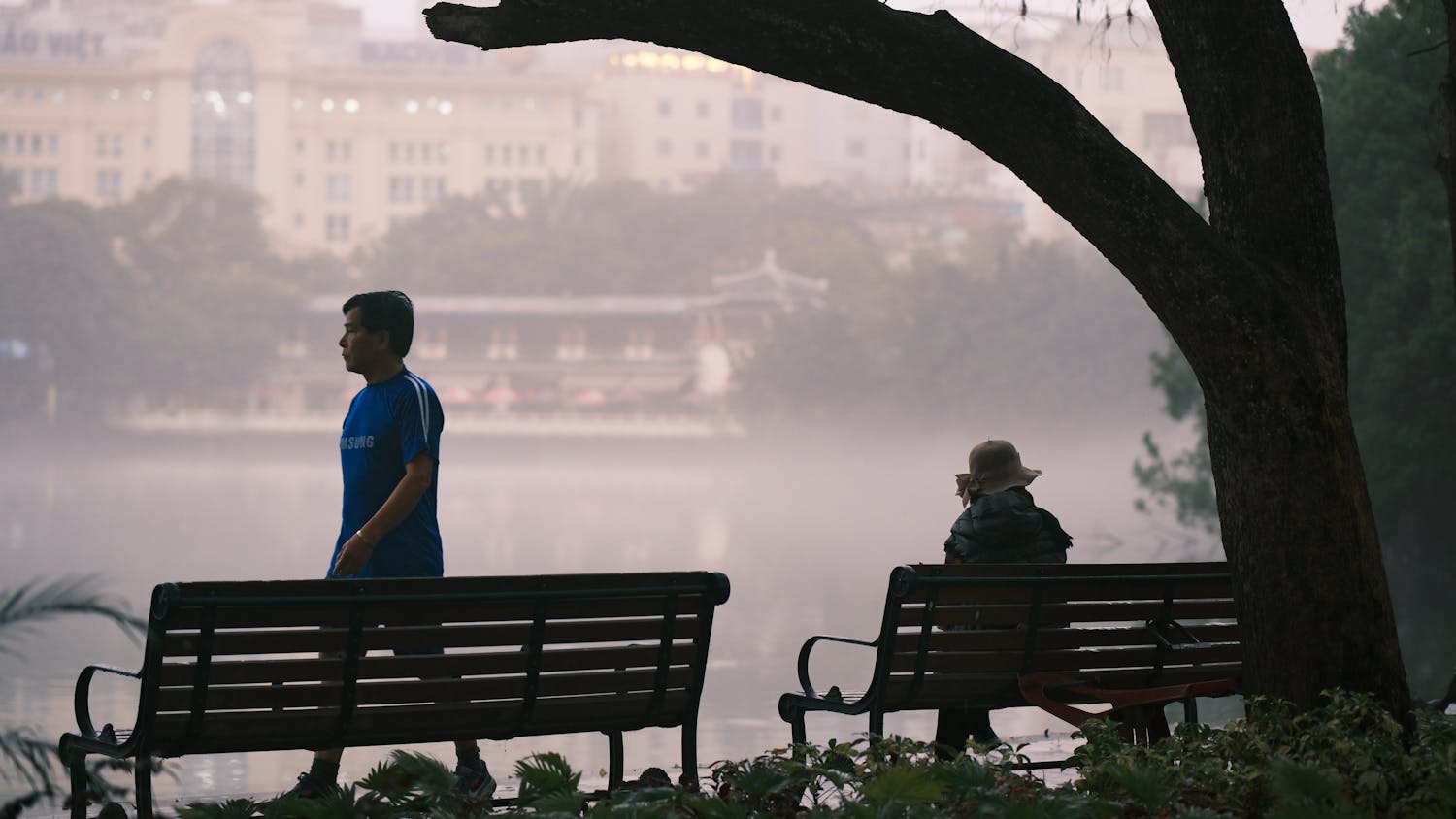
There's something about movement that loosens things up.
You're walking alongside someone rather than facing them across a desk. Your nervous system is engaged in gentle motion rather than held in stillness. The scenery changes rather than staying fixed. And somehow, words come more easily.
This isn't accidental. Walking therapy—combining counselling with outdoor movement—taps into something fundamental about how humans process emotions and solve problems.
Let me explain what it is, why it works, and whether it might be right for you.
What Is Walking Therapy?
Walking therapy (sometimes called "walk and talk therapy") is exactly what it sounds like: a therapeutic conversation while moving through outdoor space, usually in nature or a local park.
It's not a new invention. Philosophers have walked while talking for centuries. Aristotle taught while walking; his students were called "Peripatetics" (those who walk around).
But as a formal therapeutic approach, it combines:
- The benefits of therapy: Being truly heard, exploring patterns, processing emotions
- The benefits of movement: Reduced anxiety, improved mood, better thinking
- The benefits of nature: Grounding, perspective shift, sensory engagement
- The unique intimacy of side-by-side interaction: Less confrontational than face-to-face; something feels safer about walking together
Why Walking Helps You Process Emotions
1. Movement Regulates Your Nervous System
When you're anxious or stuck, your nervous system is often dysregulated. You might be in fight-or-flight mode (hypervigilant, reactive) or freeze mode (shut down, numb).
Gentle movement—especially walking—helps regulate your autonomic nervous system. It signals safety to your body: we're moving, we're not under threat, we can relax slightly.
This is why people often say "I think better when I walk" or "I solved my problem during a walk." It's true. When your nervous system is calm, your thinking brain comes online.
2. The Side-by-Side Positioning Is Less Confrontational
In traditional talking therapy, you're facing each other. This has its merits—direct connection, seeing each other's faces. But it can also feel intense, confrontational, or exposing.
When you're walking alongside someone, there's a gentleness to it. You're both looking ahead, not directly at each other. This can make it easier to:
- Say vulnerable things without feeling completely exposed
- Tolerate difficult emotions without feeling trapped
- Access memories more easily (side-by-side gaze tends to activate memory networks differently than face-to-face gaze)
Many people report that they share deeper material while walking than they would in a seated session.
3. Nature Provides Perspective
There's substantial research on "nature therapy." Being in green spaces:
- Reduces cortisol (the stress hormone)
- Lowers blood pressure and heart rate
- Activates the parasympathetic nervous system (rest-and-digest mode)
- Provides perspective: Your problems feel smaller when you're surrounded by something vast and persistent
- Engages your senses: Birdsong, breeze, greenery. Your thinking mind quiets, your sensing mind activates
This creates an ideal state for psychological work.
4. Movement Bypasses Defensive Patterns
When we're sitting still in a room, it's easier to intellectualise, control the narrative, or dissociate from emotions.
Movement makes that harder. Your body is activated. Emotions are more accessible. The wandering attention that comes from walking actually helps you access things your defending mind would normally block.
Therapists often notice that clients access deeper material, memories, and insights while walking than in seated sessions.
What Walking Therapy Looks Like in Practice
A typical walking therapy session:
Before the walk (5 minutes)
I'll check in about what you'd like to focus on today. Are there specific things on your mind? Are you wanting to process something, or just explore what comes up?
The walk (45 minutes)
We walk together through a local park or green space. The pace is comfortable—not exercise, just walking. I'm matching your energy while creating space for you to lead the conversation.
You might:
- Describe what's on your mind
- Notice things in your environment (and we might explore what they bring up)
- Walk in silence for stretches (which is fine)
- Process emotions as they arise
- Problem-solve with the movement supporting your thinking
I'm listening, asking clarifying questions, reflecting back what I hear, helping you notice patterns.
After the walk (5 minutes)
We might debrief briefly: What came up? What surprised you? Is there anything you want to sit with this week?
Who Benefits Most From Walking Therapy?
Walking therapy works well if you:
- Find seated therapy too intense: Some people find the focused attention of face-to-face therapy overwhelming. Walking creates natural breaks in that intensity.
- Think better when moving: You're someone who solves problems on walks, thinks clearly during movement, or gets stuck in stillness.
- Connect with nature: You find outdoor spaces grounding and restorative.
- Have trauma or dissociation: The gentle movement and multisensory engagement can help you stay present without the intensity of seated therapy.
- Struggle with eye contact or facing: Some neurodivergent folk, particularly those on the autism spectrum, find side-by-side interaction less overwhelming.
- Are dealing with anxiety: The parasympathetic activation of movement and nature helps calm the nervous system while you work.
It's less suitable if you:
- Have mobility limitations that make walking difficult
- Need comfort items you can't bring on a walk
- Find cold, wet weather intolerable (we do walk in light rain, but not storms)
- Prefer structured indoor sessions without environmental variables
Common Questions About Walking Therapy
Is it safe to walk through London as therapy?
Yes, we choose safe, well-populated areas—typically parks in South West London. I'm aware of your safety and my own. If you ever feel unsafe, we talk about it.
What if I need to cry?
You can cry while walking. We can slow down, sit on a bench, take time. Nature is a container for emotions.
What if the weather is bad?
We check weather beforehand. If it's heavy rain, we might reschedule or offer a seated session instead. Light rain is fine; it's part of the experience.
Will people think I'm weird?
People walk and talk all the time. To an observer, we just look like two people having a conversation. There's nothing obviously "therapeutic" about it.
Can we walk the same route every time?
Absolutely. Familiarity can be grounding. Or we can vary it. We can talk about what the constancy of a familiar walk means to you.
What if I get stuck and can't talk?
That's fine. We can walk in silence. Sometimes the silence with another person present is healing in itself.
Walking Therapy in London
London offers amazing green spaces:
- Fulham Palace grounds: Beautiful, historic, peaceful
- Barnes Common: Wide open space, diverse paths
- Richmond Park: Vast, with water views, diverse terrain
- Local neighborhood routes: Residential streets with character
- River paths: Along the Thames, varied scenery
We choose the environment based on your needs and preferences.
TL;DR: Key Takeaways
- Walking therapy combines counselling with gentle movement and nature, creating a unique therapeutic environment
- Movement regulates your nervous system, making it easier to access emotions and insights
- Side-by-side positioning feels less confrontational than face-to-face therapy
- Nature provides perspective and sensory grounding that supports emotional processing
- It's particularly helpful for anxiety, trauma, and people who think better while moving
Frequently Asked Questions
Is walking therapy as effective as seated therapy?
Research suggests they're equally effective, with different people benefiting from different modalities. Some people do deeper work while walking; others prefer seated sessions. Many benefit from a combination.
How much walking is involved?
Typically 45 minutes of gentle walking. It's not a fitness activity; it's a pace that allows conversation.
What if I get tired?
We can slow down, rest on a bench, or shift to a different location. The focus is on you, not on covering distance.
If you're curious about walking therapy, get in touch. We can discuss whether it might work for you, and book a session in one of London's beautiful green spaces.
Related Topics:
Ready to start your therapy journey?
Book a free 15-minute consultation to discuss how we can support you.
Book a consultation→