Walking Therapy: Why Moving Your Body Helps You Process Your Emotions
Picture this: You're sitting in a therapy room. The chair is comfortable enough, but you're acutely aware of your body—where to put your hands, whether your posture looks "right," the fact that you've been making eye contact for what feels like an uncomfortably long time. Your mind is half-engaged with what your therapist is saying and half-occupied with managing the awkwardness of sitting still and being looked at for fifty minutes straight.
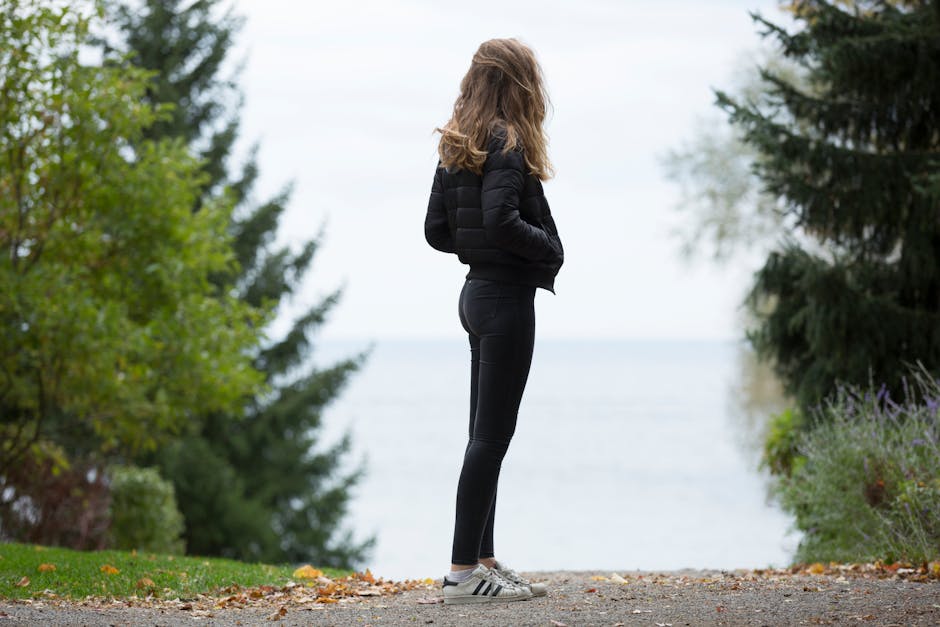
Now picture this: You're walking through a park with your therapist beside you. Your eyes follow the path ahead, occasionally glancing at trees, dogs, other walkers. Your body moves rhythmically. The conversation flows more naturally because you're not locked in face-to-face eye contact. A difficult emotion surfaces, and instead of freezing in your chair, you keep walking—literally moving through it.
That's walking therapy. And for many people, it's transformative.
Let me explain why movement matters, what the research says, and how walking therapy works in practice.
TL;DR:
- Walking therapy combines counselling with walking outdoors (usually in nature)
- Movement helps regulate emotions, reduce anxiety, and improve creative thinking
- Walking reduces the intensity of face-to-face therapeutic interaction, making vulnerability easier for some
- Research shows walking improves mood, cognitive function, and therapeutic outcomes
- Particularly helpful for anxiety, ADHD, creative blocks, and people who find traditional therapy stifling
- Available in many UK locations including London parks
What Walking Therapy Is (and Isn't)
Walking therapy—also called walk-and-talk therapy or ambulatory therapy—is exactly what it sounds like: you and your therapist walk together whilst conducting a therapy session.
It's not:
- A casual walk with a friend
- Primarily about exercise (though movement is beneficial)
- Unstructured chat
- Less serious or professional than traditional therapy
It is:
- A legitimate therapeutic modality with growing research support
- Structured therapy that happens to take place whilst walking
- Confidential, professional, and goal-oriented
- Recognised by major counselling bodies (BACP has guidelines for outdoor therapy)
Walking therapy typically takes place in parks, nature reserves, or quiet outdoor spaces. Sessions follow the same structure as traditional therapy—assessment, goal-setting, therapeutic work, integration—but the setting changes.
Why Movement Matters: The Neuroscience
Walking isn't just incidental to walking therapy. It's integral. Here's why:
1. Bilateral Stimulation
Walking involves alternating left-right movement—left foot, right foot, left arm swing, right arm swing. This bilateral stimulation activates both hemispheres of your brain, which research suggests helps process difficult emotions and trauma.
This is the same mechanism underlying EMDR (Eye Movement Desensitisation and Reprocessing), a trauma therapy that uses bilateral eye movements. Walking provides a natural, less formal version of bilateral stimulation.
2. Movement Regulates the Nervous System
When you're anxious or overwhelmed, your body is in a state of sympathetic nervous system activation (fight-or-flight). Walking—especially at a moderate, rhythmic pace—activates the parasympathetic nervous system (rest-and-digest), helping you calm down physiologically.
As neuroscientist Dr. Andrew Huberman notes, forward movement specifically signals safety to the brain. When you're moving forward, you're not frozen in fear—you're mobile, capable, in motion. This subtle shift in physiology can make difficult emotions more manageable.
3. Cognitive Benefits
A 2022 study published in NeuroImage found that walking increases cerebral blood flow, particularly to the frontal cortex—the part of your brain responsible for executive function, emotional regulation, and creative problem-solving.
Translation: walking literally makes you think better. You're more able to reflect, make connections, and generate insights whilst moving than whilst stationary.
4. Reduced Intensity of Face-to-Face Interaction
Eye contact is powerful, but it's also intense. For some people—particularly those with social anxiety, autism, ADHD, or trauma—sustained eye contact feels overwhelming or threatening.
Walking side by side reduces that intensity. You can glance at your therapist occasionally, but your primary gaze is on the path ahead. This often makes vulnerability easier. Clients frequently tell me they can share things whilst walking that they'd struggle to say sitting face-to-face.
5. Nature's Therapeutic Effect
If you're walking in nature (rather than on pavements), you get additional benefits. Research on "ecotherapy" or "nature therapy" consistently shows that time in green spaces:
- Reduces cortisol (stress hormone)
- Lowers blood pressure and heart rate
- Improves mood and reduces rumination
- Enhances attention and focus
- Increases feelings of connection and wellbeing
A 2019 study from the University of Michigan found that just 20 minutes in nature significantly reduced cortisol levels. Combine that with therapy, and you've got a powerful intervention.
Who Walking Therapy Helps Most
Walking therapy isn't for everyone (more on that below), but it's particularly effective for:
1. Anxiety
Movement helps discharge the physical energy that accumulates with anxiety. Instead of sitting with tension, you're releasing it through motion. Many clients find their anxiety decreases significantly within the first 10-15 minutes of walking.
2. ADHD and Restlessness
Sitting still for 50 minutes can be torture for ADHD brains. Walking provides the movement and stimulation ADHD brains crave, making it easier to focus on therapy content. Several clients have told me walking therapy was the first time they could actually engage with therapy without their mind constantly wandering.
3. Depression
Depression often involves physical lethargy and isolation. Walking therapy combines movement (which improves mood) with social connection and outdoor light exposure (which helps regulate circadian rhythms and mood). It's harder to ruminate when you're walking than when you're sitting still.
4. Creative Blocks and Problem-Solving
Stuck on a decision? Can't see a way forward? Walking facilitates divergent thinking—the ability to generate multiple perspectives and solutions. Many famous thinkers (Aristotle, Nietzsche, Darwin) were prolific walkers precisely because movement enhances creativity.
5. Trauma (Carefully)
For some trauma survivors, traditional therapy rooms feel confining or triggering. Walking provides a sense of agency and mobility. However, trauma work needs careful pacing—intense emotions can be destabilising whilst walking, so this requires a skilled, trauma-informed therapist.
6. Men's Mental Health
Research suggests men are more likely to open up during side-by-side activities (walking, driving, doing tasks together) than during face-to-face talking. Walking therapy can reduce the vulnerability barrier that prevents many men from seeking traditional therapy.
7. People Who Feel "Therapy Isn't For Them"
If traditional therapy feels too formal, too clinical, or too awkward, walking therapy offers an accessible alternative. It's still professional, but it feels less like "therapy" in the stereotypical sense.
The Research Behind Walking Therapy
While walking therapy is relatively new as a formalised modality, the research is promising:
2021 study (Counselling and Psychotherapy Research): Participants in walking therapy reported feeling more relaxed, more able to express themselves, and greater therapeutic alliance compared to office-based therapy. They described the walking format as "less intense" and "more natural."
2023 systematic review (Healthcare): Walking therapy showed significant benefits for depression, anxiety, and stress. Participants particularly valued the reduced formality and the sense of being "in this together" with their therapist rather than in a hierarchical patient-therapist dynamic.
Stanford research (2014): Creative thinking improved by an average of 60% when people walked compared to sitting. This applied to walking indoors or outdoors, though outdoor walking produced slightly better results.
Japanese "forest bathing" research: Multiple studies show that walking in forests reduces cortisol, lowers blood pressure, improves immune function, and enhances mood significantly more than urban walking or sitting indoors.
What a Walking Therapy Session Looks Like
Here's a typical structure:
Before the session:
- We agree on a meeting point (usually the entrance to a park)
- I assess weather appropriateness (heavy rain, extreme heat may require rescheduling)
- You dress comfortably for walking
First 5-10 minutes:
- We start walking at a comfortable pace (not a power walk—this isn't exercise)
- Initial check-in: How are you? What's been happening since last session?
- Your body starts to settle into the rhythm
Middle 30-35 minutes:
- Core therapeutic work: exploring feelings, patterns, challenges, goals
- Walking naturally facilitates pauses—you might stop to look at something, sit on a bench briefly, change pace
- Difficult emotions can surface; the movement helps you process them without being overwhelmed
Final 10 minutes:
- Integration: What came up today? What are you taking away?
- Gentle transition back toward ending point
- Grounding: noticing your surroundings, coming back to the present
Confidentiality: We walk in quieter areas where others aren't close enough to overhear. If we encounter someone you know, we can pause therapy briefly and resume once they've passed. Therapists are skilled at maintaining confidentiality even in public spaces.
Walking Therapy vs Traditional Therapy: Pros and Cons
Walking Therapy Advantages:
Physiological calming: Movement regulates nervous system Reduced intensity: Side-by-side feels less confrontational Nature benefits: Mood improvement, stress reduction Better for restlessness: Ideal for ADHD, fidgeters, kinesthetic learners Creative thinking: Enhanced problem-solving and insight Accessibility: Less formal, more approachable for therapy-avoidant people Dual benefits: You get exercise + therapy simultaneously
Walking Therapy Limitations:
Weather dependent: Rain, extreme cold/heat may require cancellation or indoor backup Less suitable for deep trauma: Intense distress whilst walking can be destabilising Limited note-taking: Therapist can't write detailed notes during session (though they'll make notes immediately after) Physical limitations: Not accessible for people with mobility issues Privacy concerns: Some clients worry about being seen (though this is manageable with careful route planning) No visual aids: Can't use diagrams, worksheets, or other tools easily
Is Walking Therapy Right for You?
Consider walking therapy if:
- You find traditional therapy stifling or uncomfortable
- You have anxiety, ADHD, or restlessness
- You love being outdoors
- You think better whilst moving
- You want a less formal therapeutic approach
- You're drawn to combining movement with emotional work
Walking therapy might not suit you if:
- You have mobility limitations
- You're working through acute trauma (though it can be integrated later)
- You prefer visual aids, journaling, or structured exercises in session
- You find outdoor environments distracting
- Weather is a significant barrier for you
You can also combine both: Some clients do walking therapy fortnightly and office-based therapy in alternate weeks, getting benefits of both formats.
Walking Therapy in London: Practical Considerations
I offer walking therapy in South West London parks (Fulham, Putney, Barnes). Here's what I've learned:
Best locations:
- Bishop's Park, Fulham (riverside, quiet paths)
- Putney Heath (more secluded, nature-rich)
- Barnes Common (spacious, rarely crowded)
Timing matters:
- Mid-morning or early afternoon tends to be quietest
- Avoid weekends if you prefer minimal people around
- Spring and autumn are ideal seasons (not too hot or cold)
Weather contingency:
- We monitor forecasts and reschedule if necessary
- Light drizzle is manageable with appropriate clothing
- Extreme weather = online or office-based session backup
Common Questions About Walking Therapy
What if I run into someone I know? We can pause therapy and chat briefly if needed. Most clients find parks are large enough that this rarely happens. If it's a significant concern, we choose quieter routes or times.
What if I get too upset whilst walking? We can always stop, sit, take a break. Therapists trained in walking therapy are skilled at monitoring your state and adjusting pace or format as needed.
Is it really as confidential as office therapy? Yes. We choose routes where others aren't close enough to overhear. Professional ethics and confidentiality standards apply equally.
What if I'm not physically fit? Walking therapy is at your pace—gentle, moderate, not strenuous. If you can walk for 15-20 minutes comfortably, you can do walking therapy. We can also incorporate bench breaks.
Can I do walking therapy online? Not really—online therapy is online therapy. The movement element is key to walking therapy's benefits. However, some therapists offer "walk whilst we talk" online sessions where you walk outside with headphones whilst the session happens via phone.
Combining Walking with Other Therapies
Walking therapy works beautifully alongside:
- CBT: Walking whilst discussing thought patterns enhances cognitive flexibility
- Person-Centred therapy: The natural setting supports authentic self-exploration
- Gestalt therapy: Heightened present-moment awareness in nature
- Somatic therapy: Movement integrates body-based emotional processing
- Mindfulness: Walking becomes a moving meditation
The Therapeutic Relationship in Motion
One of the most striking aspects of walking therapy is how it shifts the therapeutic relationship.
In a traditional therapy room, there's an inherent power dynamic: the therapist sits in their chair, you sit in yours, they face you. It's professional, but it can feel hierarchical.
Walking side by side equalises that dynamic. You're moving together, navigating the path together, experiencing the environment together. Clients often describe feeling less like a "patient" and more like a co-explorer.
This shift can deepen trust and openness, particularly for people who struggle with authority or institutional settings.
Final Thoughts: Therapy Doesn't Have to Be Static
For decades, therapy has defaulted to a specific format: sit in a room, talk for fifty minutes, repeat weekly.
That works brilliantly for many people. But it's not the only way.
Walking therapy recognises that humans are embodied, mobile creatures. We evolved to move. Our brains function better when our bodies are in motion. Emotions are held not just in our minds but in our muscles, our breath, our movement patterns.
When you integrate movement into therapy, you're not diluting the therapeutic work—you're enhancing it.
If traditional therapy has felt too static, too intense, or just not quite right, maybe what you need isn't "therapy" in the conventional sense. Maybe what you need is to move—literally and metaphorically—through what you're processing.
And perhaps, as you walk, you'll find that the path forward becomes a little clearer.
Interested in trying walking therapy in London? I'm Annabel Kicks, a BACP-registered therapist offering walking therapy sessions in Fulham and surrounding South West London parks. I also offer traditional in-person and online therapy. Book a free 15-minute consultation to discuss which format might suit you best.
Related Topics:
Ready to start your therapy journey?
Book a free 15-minute consultation to discuss how we can support you.
Book a consultation→