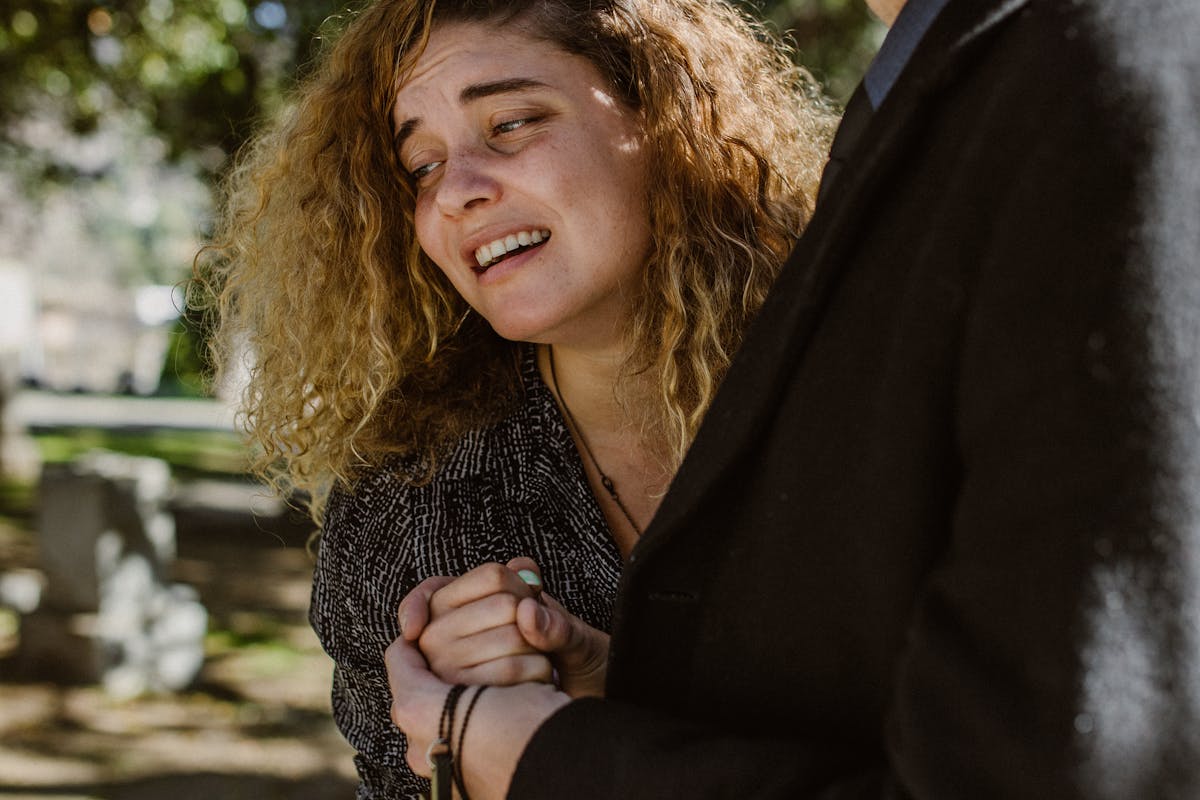

Bereavement Counselling: Supporting You Through Grief
When someone significant dies, the world doesn't stop—even though yours feels like it should. People expect you to "get over it" within weeks or months, to return to normal functioning, to move on. But grief doesn't follow timetables or neat stages. It arrives in waves, surprising you months later with its intensity. It changes how you experience everything, leaving you feeling untethered in a life that's supposed to continue when the person you've lost is simply, impossibly, gone.
Bereavement is one of life's most profound challenges. While grief is a natural response to loss—not an illness requiring fixing—it's also true that navigating mourning alone can be overwhelmingly difficult. Sometimes you need support from someone who understands grief's complexity, who can witness your pain without trying to fix it, and who can help you find a way to live with loss rather than "get over" it.
This guide explores what bereavement counselling offers, when it might help, and what the process of working through grief with therapeutic support actually looks like.
Table of Contents
- Understanding Grief: Beyond the Stages
- When Bereavement Counselling Might Help
- What Bereavement Counselling Offers
- Different Approaches to Grief Work
- What Bereavement Therapy Looks Like
- Complicated Grief: When Mourning Gets Stuck
- Supporting Children and Families Through Bereavement
- Frequently Asked Questions
Understanding Grief: Beyond the Stages
You've probably encountered Elisabeth Kübler-Ross's famous "five stages of grief": denial, anger, bargaining, depression, acceptance. While these stages have entered popular consciousness, they can be misleading. Grief isn't linear. You don't move through stages in order, ticking them off until you're done.
What Grief Actually Looks Like
Grief is messy, unpredictable, and deeply personal. In the same day, you might experience:
- Numbness, as if you're moving through fog
- Intense yearning for the person
- Anger at them for leaving, at yourself, at doctors, at God, at the unfairness
- Guilt about things said or unsaid, done or not done
- Relief (particularly if they suffered, or the relationship was complicated)
- Disbelief—reaching for your phone to text them before remembering
- Physical symptoms: exhaustion, insomnia, appetite changes, physical aches
These aren't stages to pass through but states you move between, sometimes within hours. Six months later, you might feel fine for weeks, then suddenly collapse into fresh grief triggered by a song, a smell, or nothing obvious at all.
Normal Grief is Harder Than People Acknowledge
Even "uncomplicated" grief is extraordinarily difficult. Western culture generally handles death poorly—we're uncomfortable with strong emotions, quick to offer platitudes ("They're in a better place," "At least they didn't suffer," "Time heals"), and we expect mourning to resolve quickly and quietly.
This can leave bereaved people feeling isolated and abnormal for still struggling months or years later. Bereavement counselling provides space where grief is normalised, where there's no pressure to feel better or move on faster than you're able.
Types of Loss
While we most commonly associate bereavement with death, counselling can support other significant losses too:
- Death of a partner, parent, child, sibling, friend
- Pregnancy loss and infant death
- Death of a pet (often minimised but genuinely significant)
- Anticipatory grief (when someone is terminally ill)
- Ambiguous loss (missing persons, estrangement)
- Loss of health, identity, or future you'd envisioned
When Bereavement Counselling Might Help
Grief itself isn't pathological—it's a natural, necessary response to loss. Many people navigate bereavement with support from family, friends, and community without needing professional help. So when might counselling be valuable?
Your Grief Feels Overwhelming or Stuck
If months have passed and you're struggling to function—unable to work, withdrawing completely from relationships, experiencing persistent thoughts of wanting to die, unable to imagine a future without unbearable pain—professional support can help.
You're Alone with Your Grief
Perhaps the person who died was your primary support, or your family isn't emotionally available, or friends have stopped asking how you're doing. Counselling provides consistent, boundaried space to process grief when you lack other support.
The Relationship Was Complicated
When relationships involve ambivalence—love mixed with resentment, relief alongside sadness, unresolved conflict—grief can be particularly confusing and difficult to share with others who might judge your mixed feelings.
Multiple Losses
Experiencing several losses close together, or a significant loss whilst still grieving an earlier one, can feel overwhelming. The griefs compound in ways that are difficult to navigate alone.
The Death Was Traumatic
Sudden death, violent death, witnessing death, discovering a body—these traumatic circumstances can overlay grief with PTSD symptoms: intrusive images, hypervigilance, avoidance. Specialist trauma-informed bereavement support helps with both grief and trauma processing.
You're Worried About Your Grief
Sometimes people seek counselling not because anything is particularly wrong, but because they want support navigating such significant territory. Having a guide who understands grief can make the journey less frightening.
Anniversary Reactions
Some people cope reasonably well initially but struggle intensely around anniversaries—the one-year mark, birthdays, holidays. Brief counselling focused on these difficult periods can be valuable.
Life Demands Don't Allow Space to Grieve
If practical circumstances (young children needing care, demanding job, elderly parent relying on you) don't allow time and space for grief, counselling creates protected time to attend to your loss.
What Bereavement Counselling Offers
Bereavement counselling isn't about "fixing" grief or speeding it up. It offers something different:
Witnessed Grief
Simply being with someone who can tolerate the full intensity of your grief—your tears, your rage, your despair, your guilt—without needing you to tone it down or hurry through it is profoundly healing.
Permission to Feel What You Feel
Counselling offers permission to feel whatever you're feeling: anger at the person for dying, relief that suffering has ended, guilt that you're still alive, numbness, even moments of laughter or joy. All of it is welcome.
Understanding Grief's Territory
A bereavement counsellor knows grief's landscape. They can reassure you that what you're experiencing is normal, help you anticipate what might come next, and distinguish between grief that's moving (however painfully) and grief that's truly stuck.
Space for the Complicated Bits
The aspects of grief that feel unspeakable elsewhere—ambivalence about the person, anger at them, relief, regrets, things you wish you'd said or hadn't said—can be explored without judgement.
Practical Navigation
Grief affects everything: sleep, appetite, concentration, relationships, work. Your counsellor can help you navigate practical challenges whilst grieving—how to tell people what you need, how to protect yourself from others' unhelpful responses, how to pace yourself through necessary tasks.
Continuing Bonds
Modern bereavement theory recognises that we don't "let go" of people who die. Instead, we develop new ways of staying connected to them whilst building a life without their physical presence. Counselling supports finding this balance.
Meaning-Making
Over time, many people find they need to make sense of loss—integrating it into their life story, finding meaning or purpose in the midst of pain. Counselling provides space for this existential work.
Different Approaches to Grief Work
Different therapeutic approaches work with bereavement in somewhat different ways:
Humanistic and Person-Centred Approaches
Humanistic bereavement counselling trusts your innate capacity to process loss when provided with the right conditions: empathic understanding, unconditional acceptance, and authentic human connection.
The counsellor doesn't direct the process but follows your lead. Some sessions you might sob; others you might talk about memories; sometimes you'll sit in silence. There's no agenda beyond being fully present with whatever you're experiencing.
This approach particularly suits people who feel others are trying to manage their grief with advice or reassurance. It offers space to simply be with your loss.
Gestalt Therapy
Gestalt approaches might invite direct engagement with loss through techniques like the "empty chair"—speaking to the person who died, saying things left unsaid, hearing what you imagine they'd say to you now.
These experiential methods can be surprisingly powerful for accessing and expressing blocked emotions, reaching resolution on unfinished business, or developing new ways of carrying the relationship forward.
Narrative Therapy
Narrative approaches help you tell the story of the person, your relationship, their death, and your grief. The telling itself is healing, and through it you begin reshaping your identity from "person whose loved one just died" toward a self that includes loss whilst continuing to live.
Complicated Grief Therapy
For people whose grief has become "stuck"—unable to accept the reality of death, consumed with yearning or bitterness, life on hold—specific protocols have been developed that combine cognitive, behavioural, and experiential elements to help grief begin moving again.
Integrative Approaches
Many bereavement counsellors work integratively, drawing on multiple approaches as appropriate. They might primarily offer person-centred presence but introduce Gestalt experiments when that would serve, or use narrative techniques to help you consolidate your story.
What Bereavement Therapy Looks Like
While every therapeutic journey is unique, here's a general sense of what working through grief with a counsellor might involve:
Early Sessions: Telling the Story
Initial sessions often focus on you telling the story—about the person, your relationship, how they died, what's been hardest since. Your counsellor listens without rushing, asking gentle questions to understand your unique experience.
Many people feel relief simply from speaking about their loss without worrying about burdening the listener or needing to manage their reactions.
Middle Phase: Working Through
As work continues, you might explore:
- Different facets of grief (anger, guilt, yearning, despair)
- Memories of the person—both treasured moments and difficult aspects
- Regrets and things left unsaid
- How your life has changed and what you're learning to navigate
- Relationship with the person now that they're gone
- Questions about meaning, mortality, spirituality
There's no prescribed order. Some days you'll process intense emotions; others you might discuss practical concerns about daily life. Your counsellor trusts that what needs addressing will emerge.
Difficult Waves
Grief often intensifies at particular points: anniversaries, birthdays, holidays, or the one-year mark when you've experienced all the "firsts" without them. Your counsellor helps you anticipate and navigate these difficult periods.
Integration and Moving Forward
Over time—and this truly varies from months to years—the intensity typically softens. You find ways to carry the person and the loss with you whilst rebuilding a life that includes connection, meaning, and sometimes even joy.
Counselling in this phase supports integration: the person becomes part of your history and ongoing internal world rather than the centre around which everything revolves. This isn't forgetting or betraying them—it's learning to live with loss.
Complicated Grief: When Mourning Gets Stuck
Most people navigate bereavement, however painfully, without grief becoming pathological. But approximately 10-15% of bereaved people develop what's termed "complicated grief" or "prolonged grief disorder"—grief that becomes stuck rather than gradually softening.
Signs of Complicated Grief
- Intense yearning or preoccupation with the deceased that doesn't ease (typically assessed at 6-12 months post-loss)
- Persistent difficulty accepting the death
- Numbness or emotional detachment that doesn't shift
- Bitterness about the death
- Feeling life is meaningless without the person
- Difficulty engaging with life or imagining a future
- Avoiding reminders vs. compulsively seeking proximity to reminders
These aren't just "grief is hard"—they're patterns where mourning has become frozen rather than moving through its natural trajectory.
When Complicated Grief Develops
Risk factors include:
- Sudden or traumatic death
- Death of a child or young person
- Ambivalent or dependent relationship with deceased
- Multiple losses or concurrent life stresses
- Lack of support
- History of depression or anxiety
- Avoidant attachment style
Treatment for Complicated Grief
Specific therapeutic protocols have been developed that combine:
- Accepting the reality of loss (often avoided in complicated grief)
- Revisiting the death story to process trauma elements
- Imaginal conversations with the deceased to address unfinished business
- Setting goals and re-engaging with life
- Developing continuing connection whilst building a future
With appropriate treatment, most people with complicated grief experience significant improvement.
Supporting Children and Families Through Bereavement
When loss affects a family, children may need specific support:
How Children Grieve
Children's grief differs by developmental stage. Young children may show grief in short bursts between normal play. Older children and teens might express grief through anger, withdrawal, or risk-taking rather than sadness.
Children benefit from:
- Honest, age-appropriate information about death
- Permission to express feelings
- Reassurance about their security
- Maintained routines where possible
- Continued connection to the person through memories, photos, rituals
Family Bereavement Counselling
Sometimes families benefit from sessions together, helping everyone communicate about their grief, understand each other's different expressions of mourning, and navigate how loss has changed family dynamics.
Individual sessions for children might include play therapy, creative expression, or age-appropriate talk therapy depending on the child's age and needs.
Frequently Asked Questions
When should I seek bereavement counselling?
There's no required waiting period. Some people benefit from immediate support; others want to see how they manage before seeking help. Seek counselling if grief feels overwhelming, you're very isolated, the death was traumatic, or you simply want support navigating such significant territory.
How long does bereavement counselling take?
This varies enormously. Some people benefit from 6-10 sessions focused on processing acute grief. Others work for a year or longer, particularly with complicated losses. You and your counsellor will review together whether continuing feels useful.
Will counselling make me feel worse?
Grief work can intensify pain temporarily—when you create space to feel rather than staying busy or numb, emotions surface. But this is movement rather than worsening. You're not feeling worse; you're feeling what was there but being avoided.
What if I'm not crying?
Tears aren't required. Some people cry intensely; others never do. Both are normal. Counselling isn't about producing particular emotions but about being present with whatever your experience actually is.
Is it normal to still be grieving after a year (or two, or five)?
Yes. While acute grief typically softens over time, significant losses continue mattering. People who've lost partners, children, or parents often say the grief never fully ends—it changes, becomes more integrated, but doesn't disappear. This is normal, not pathological.
What if my family thinks I should be over it by now?
Cultural and familial expectations about grief often don't match psychological reality. Part of counselling can be developing strategies for handling others' unhelpful responses whilst honouring your own pace.
Can counselling help with anticipatory grief?
Yes. When someone is terminally ill, counselling can support you through the anticipation of loss, help you navigate time with the dying person, and begin processing grief even before death occurs.
What if I'm grieving someone others didn't approve of?
Counselling offers a non-judgemental space to grieve complicated, socially unsanctioned, or private losses: an affair partner, someone you were estranged from, a relationship others didn't understand. Your grief is valid regardless of others' views of the relationship.
Will I ever feel normal again?
You won't return to who you were before—significant loss changes us. But you can develop a "new normal" where grief is integrated rather than overwhelming, where you carry the person whilst continuing to engage meaningfully with life.
Walking Through Grief
Bereavement isn't something you get over. It's something you learn to carry, to integrate, to live alongside. The raw, disorienting early grief gradually transforms into something more bearable—still tender, still significant, but no longer dominating every moment.
Counselling doesn't speed this process up or take the pain away. What it offers is companionship through territory that can feel unbearably lonely, permission to feel the full complexity of loss, and support finding your own way through mourning whilst holding onto your connection with the person who died.
Grief is perhaps life's most universal human experience—and yet each loss is utterly unique and personal. You don't need to navigate it alone.
If you're grieving and would benefit from compassionate, humanistic support through bereavement, contact Kicks Therapy to arrange an initial consultation. We offer both in-person sessions in Fulham/SW6 and video counselling across London, providing a safe space to process loss at your own pace.
About the Author: This article was written by the Kicks Therapy Content Team, with clinical input from BACP-registered therapists experienced in bereavement counselling and grief support.
Further Reading:
- First Counselling Session: What to Expect
- Understanding Humanistic Therapy
- When Therapy Isn't Working
- How to End Therapy Successfully
Expert Sources:
- Worden, J. W. (2018). Grief Counselling and Grief Therapy (5th ed.). London: Routledge.
- Cruse Bereavement Support. (2024). Understanding grief. https://www.cruse.org.uk/
- British Association for Counselling and Psychotherapy (BACP). (2024). Working with bereavement. https://www.bacp.co.uk/
- Shear, M. K. (2015). "Complicated grief." New England Journal of Medicine, 372(2), 153-160.
Related Topics:
Ready to start your therapy journey?
Book a free 15-minute consultation to discuss how we can support you.
Book a consultation→